

Sep . 15, 2025 07:40 Back to list
Best City Bikes for Urban Commuting & Style | Ride Easy
Elevating Urban Mobility: The Strategic Role of Advanced Bicycles in Modern Fleets
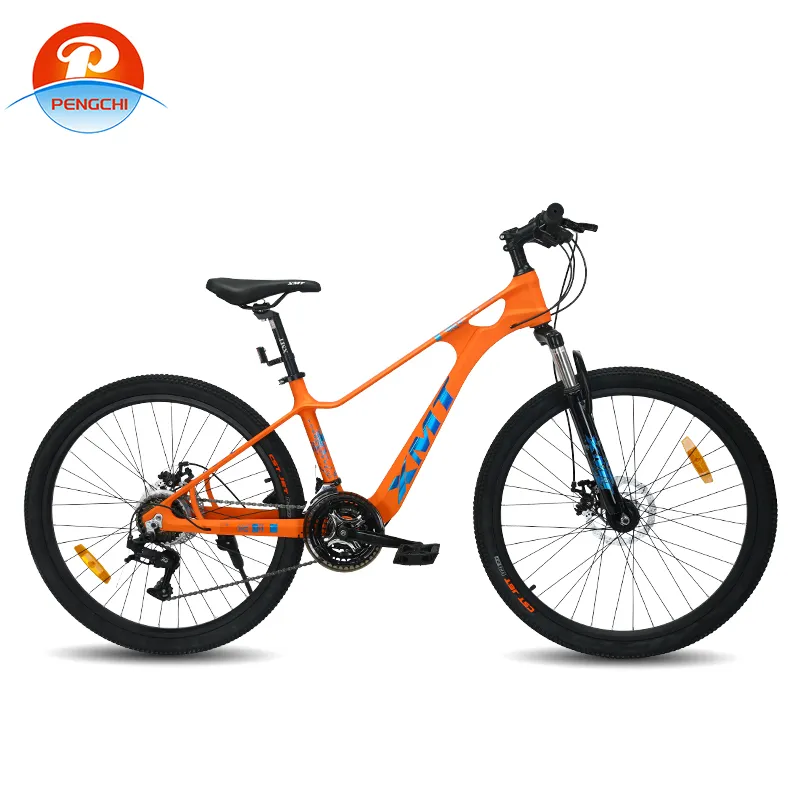
In the rapidly evolving landscape of urban logistics and corporate campus management, efficient and sustainable mobility solutions are paramount. The contemporary city bike, far removed from its recreational ancestor, has emerged as a robust, cost-effective, and environmentally conscious asset for B2B applications. Specializing in models like the 26-inch, 21-speed adult universal magnesium alloy frame biccletas bike, manufacturers are now engineering versatile platforms suitable for a multitude of industrial and commercial requirements, from last-mile delivery to intra-campus transport.
This comprehensive overview delves into the technical prowess, operational advantages, and strategic deployment of these advanced city bike solutions, offering insights for procurement specialists, fleet managers, and urban planners seeking to optimize their mobility infrastructure. We will explore industry trends, material science, manufacturing excellence, and real-world applications that underscore the value proposition of high-performance urban cycling solutions.
Industry Trends in Urban Cycling and Fleet Management
The global shift towards sustainable urban planning and reduced carbon footprints has significantly amplified the demand for efficient, non-motorized transport. Data from the European Cyclists' Federation indicates that cycling can save urban economies billions annually through reduced congestion, pollution, and public health costs. This momentum translates directly into the B2B sector, where corporate entities are increasingly integrating urban bike fleets into their operational strategies. Key trends include:
- Fleet Electrification and Diversification: While e-bikes are gaining traction, traditional multi-speed citybikes remain crucial for their lower acquisition cost, simpler maintenance, and independence from charging infrastructure, offering a robust alternative for specific use cases.
- Focus on Durability and Low Maintenance: Commercial applications demand products that withstand rigorous daily use. This drives innovation in frame materials, component selection, and build quality, prioritizing longevity and minimal downtime.
- Integration with Smart City Infrastructures: Bicycles are becoming part of broader IoT ecosystems, with potential for tracking, analytics, and optimized deployment within smart urban grids.
- Employee Wellness Programs: Corporations are investing in urban bike fleets not just for operational efficiency but also as a benefit for employee health, productivity, and morale, aligning with ESG (Environmental, Social, and Governance) goals.
The market for B2B cycling solutions is projected for sustained growth, driven by these factors, alongside increasing fuel costs and the imperative for faster, more agile inner-city movement. Manufacturers like Pengchi Bike are at the forefront, offering versatile platforms engineered for these specific commercial demands.
Technical Deep Dive: The Magnesium Alloy City Bike Platform
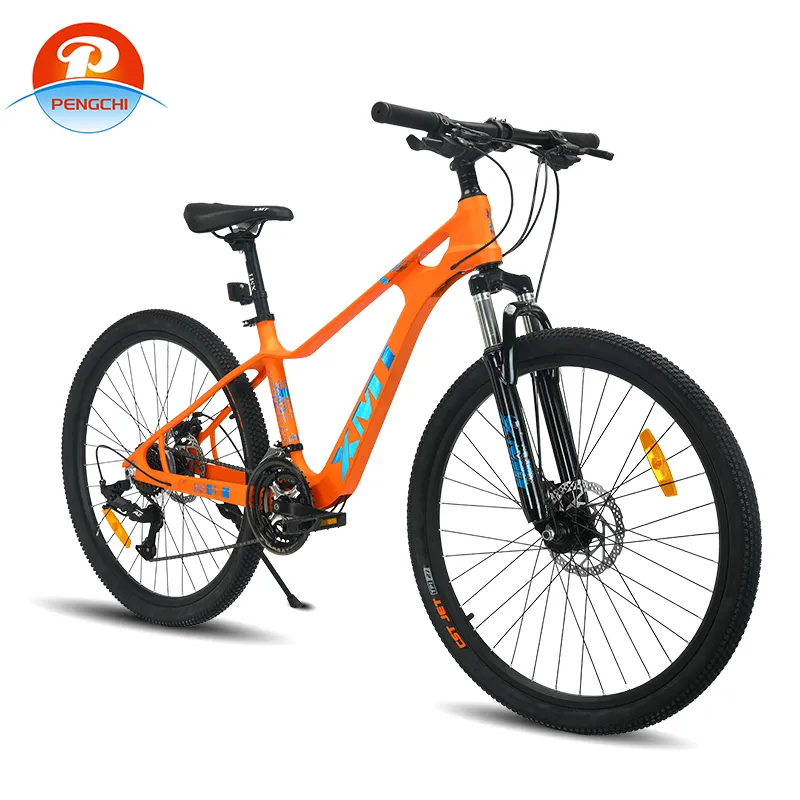
The 26-inch, 21-speed adult universal magnesium alloy frame bike represents a pinnacle in versatile urban and light-duty off-road cycling. Its design philosophy centers on a fusion of lightweight construction, robust durability, and mechanical efficiency, crucial for consistent commercial operation.
Key Technical Specifications
| Feature | Specification | Benefit for B2B |
|---|---|---|
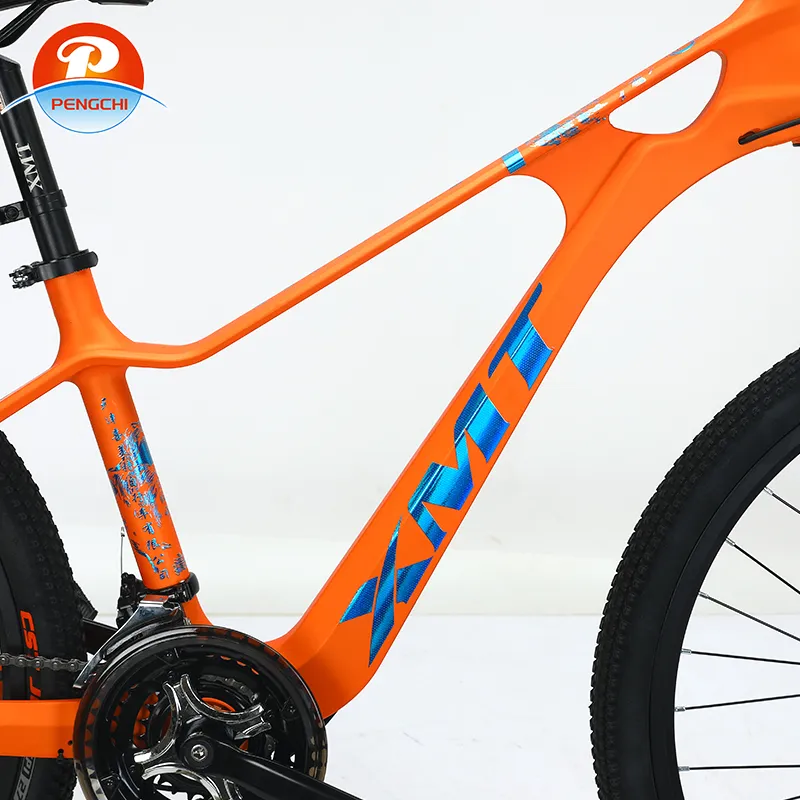
| Frame Material | Magnesium Alloy (e.g., AZ91D) | Exceptional strength-to-weight ratio, superior vibration damping, corrosion resistance. Reduces rider fatigue and enhances component longevity. |
| Wheel Size | 26 Inches | Optimal balance of agility for urban environments and stability for varied terrains. Common tire size for easy replacement. |
| Gear System | 21-Speed (Shimano or equivalent) | Wide gear range for diverse topography, efficient climbing, and sustained speed. Adaptable to various rider capabilities and load conditions. |
| Braking System | Mechanical Disc Brakes (front & rear) | Reliable stopping power in all weather conditions, enhanced safety for commercial operations, reduced maintenance compared to V-brakes. |
| Suspension | Front Suspension Fork (e.g., 80mm travel) | Absorbs road shocks, improves rider comfort on uneven surfaces, reduces fatigue during prolonged use, enhancing operational efficiency. |
| Load Capacity | Up to 120 kg (rider + cargo) | Suitable for a broad range of adult users and capable of accommodating moderate cargo for delivery or equipment transport. |
Material Science: Magnesium Alloy Advantages
Magnesium alloy frames represent a significant technological leap in bicycle manufacturing. Compared to traditional aluminum or steel, magnesium offers several distinct advantages:
- Superior Strength-to-Weight Ratio: Magnesium is approximately 33% lighter than aluminum and 75% lighter than steel for comparable strength, resulting in a lighter overall bike. This improves maneuverability, reduces rider exertion, and enhances transportability for fleet operators.
- Excellent Vibration Damping: Magnesium possesses inherent vibration damping properties, absorbing road chatter and delivering a smoother ride. This translates to reduced rider fatigue over extended periods, a critical factor for last-mile delivery personnel or campus security patrols.
- High Fatigue Strength: The material's ability to withstand repeated stress cycles without failure contributes to a longer service life, making it an economically sound investment for commercial fleets.
- Recyclability: Magnesium is 100% recyclable, aligning with corporate sustainability initiatives and reducing the environmental footprint of fleet operations.
- Corrosion Resistance: While magnesium can corrode if untreated, advanced surface treatments and specialized alloys ensure robust resistance to environmental factors, maintaining structural integrity and aesthetic appeal over time. This is critical for urban bike fleets exposed to varying weather conditions.
Precision Manufacturing Process: Ensuring Durability and Performance
The production of a high-quality magnesium alloy frame city bike involves a meticulous multi-stage manufacturing process, adherence to international quality standards, and stringent testing protocols. This commitment to engineering excellence ensures a product with an extended service life and consistent performance in demanding B2B environments.
Detailed Process Flow (Schematic Steps)
1. Material Selection & Alloying
High-purity magnesium ingots are alloyed with aluminum, zinc, and other elements (e.g., AZ91D) to achieve desired mechanical properties: tensile strength, yield strength, ductility.
2. Thixomolding/Die Casting
Molten magnesium alloy is injected into precision molds under high pressure. This process creates intricate frame geometries with superior surface finish and structural integrity, reducing post-processing needs.
3. CNC Machining & Finishing
Critical interfaces (e.g., bottom bracket shell, head tube) are precision CNC machined to ensure perfect alignment and tight tolerances for component fitting. Deburring and initial surface preparation are also performed.
4. Surface Treatment & Coating
Frames undergo multi-stage surface treatments (e.g., anodizing, electrophoretic deposition) to enhance corrosion resistance and provide a durable base for powder coating or painting, ensuring long-term aesthetic and structural integrity.
5. Component Assembly
Frames are assembled with high-quality components: drivetrain (21-speed), braking system (disc brakes), suspension fork, wheels, and ergonomic contact points (saddle, handlebars). Each component is installed and adjusted to factory specifications.
6. Quality Control & Testing
Each completed citybike undergoes a series of rigorous tests: frame fatigue, braking performance, gear shifting accuracy, wheel trueness, and overall structural integrity, ensuring compliance with international safety and performance standards.
Quality Assurance and Testing Standards
To ensure maximum reliability and safety for B2B applications, these urban bike products are manufactured and tested in accordance with stringent international standards. Key certifications and testing protocols include:
- ISO 4210 (Cycles – Safety Requirements for Bicycles): This comprehensive standard covers the mechanical safety requirements for bicycles, including tests for braking, steering, frame and fork fatigue, wheels, and strength. Compliance ensures structural integrity and operational safety under typical and stressed conditions.
- ANSI/CAN/UL 2849 (Standard for Electrical Systems for E-Bikes – if applicable for electric variants): Although this specific model is not electric, adherence to UL safety principles for any integrated electrical components (e.g., lighting) would be ensured.
- ISO 9001: Certification of the manufacturing facility's Quality Management System, guaranteeing consistent product quality and continuous improvement processes.
- Material Composition Analysis: Regular spectroscopic analysis of magnesium alloy batches to confirm precise elemental composition and prevent metallurgical defects.
- Corrosion Resistance Testing: Salt spray tests (e.g., ASTM B117) on treated frames to assess the efficacy of corrosion protection coatings, critical for fleet longevity in diverse climates.
The expected service life for a well-maintained magnesium alloy city bike in commercial fleet usage is typically 5-7 years, significantly exceeding that of lower-grade alternatives, due to robust materials and manufacturing precision.
Application Scenarios and Strategic Advantages
The versatility and robust construction of the magnesium alloy city bike make it an ideal solution across various B2B sectors:
Fleet Mobility for Corporate Campuses
- Scenario: Large corporate campuses or industrial parks requiring efficient inter-building transport for employees, maintenance staff, or security personnel.
- Advantage: Provides rapid, energy-saving transit over medium distances, reducing reliance on shuttle buses or personal vehicles. Lower operational costs compared to motorized vehicles. Enhanced employee wellness and reduced carbon footprint.
Last-Mile Delivery Optimization
- Scenario: Logistics companies or food delivery services operating in dense urban areas where traffic congestion and parking are significant challenges.
- Advantage: Exceptional maneuverability in crowded streets, enabling faster delivery times and avoiding parking fines. The 21-speed gearing accommodates variable cargo loads and inclines. Low maintenance means high uptime for critical delivery services.
Tourism and Rental Fleets
- Scenario: Municipalities, resorts, or private businesses offering bike rental services to tourists or residents.
- Advantage: Durable magnesium frames withstand frequent use and diverse rider types. The universal design (adult male and female) simplifies fleet management. Corrosion resistance ensures longevity even in coastal or high-humidity environments.
Sustainability Initiatives and Public Transport Integration
- Scenario: Urban planning projects or public transportation authorities promoting multimodal transport and healthy living.
- Advantage: Provides a zero-emission transport option that complements public transit. The bike's robustness makes it suitable for shared-use systems, offering significant energy saving potential compared to motorized alternatives.
Comparative Analysis: Magnesium Alloy vs. Traditional Frames
Understanding the material advantages is crucial for B2B procurement decisions. Here's how magnesium alloy frames compare to common alternatives:
| Characteristic | Magnesium Alloy (e.g., AZ91D) | 6061 Aluminum Alloy | Hi-Ten Steel |
|---|---|---|---|
| Density (g/cm³) | 1.8 | 2.7 | 7.8 |
| Tensile Strength (MPa) | 230-260 | 290-310 | 300-490 |
| Yield Strength (MPa) | 150-180 | 240-270 | 180-340 |
| Fatigue Life | Excellent (due to damping) | Good | Very Good |
| Vibration Damping | Superior (High) | Moderate | Low |
| Corrosion Resistance | Requires careful surface treatment; then good. | Good | Poor (rusts easily without protection) |
| Weight of Typical Frame | Very Light (approx. 1.5-2.0 kg) | Light (approx. 2.0-2.5 kg) | Heavy (approx. 3.0-4.5 kg) |
| Manufacturing Complexity | High (die-casting, surface treatment) | Medium (hydroforming, welding) | Low (welding, tubing) |
While steel offers high fatigue life and aluminum provides good strength, magnesium alloy frames offer a unique blend of exceptional lightness and vibration damping, reducing rider fatigue and boosting efficiency – critical for commercial operations. The initial higher manufacturing complexity for magnesium is offset by its operational benefits and extended service life, making it a superior long-term investment for a B2B urban bike fleet.
Customized Solutions and OEM Capabilities
Recognizing the diverse needs of B2B clients, manufacturers offer extensive customization and OEM (Original Equipment Manufacturer) capabilities. This ensures that the city bike platform can be precisely tailored to specific operational requirements and brand identities.
- Brand Integration: Custom color schemes, decal application, and logo placement to align with corporate branding.
- Component Specification: Options for drivetrain components (e.g., higher-grade Shimano, SRAM), braking systems (hydraulic disc brakes), tire types (puncture-resistant for urban, all-terrain for mixed use), and saddle/handlebar ergonomics.
- Accessory Integration: Pre-installation of essential accessories such as robust cargo racks, integrated lighting systems (dynamo or battery-powered), kickstands, fenders, and GPS tracking modules for fleet management.
- Frame Modifications: For larger volume orders, minor frame adjustments or specific mounting points can be engineered to accommodate unique cargo solutions or specialized equipment.
- Packaging and Logistics: Tailored packaging solutions for bulk shipments, including partial assembly or fully assembled options, optimizing deployment for large fleets.
Working with an experienced OEM partner streamlines procurement and ensures that the final product not only meets technical specifications but also integrates seamlessly into existing operational frameworks and branding guidelines.
Real-World Application Case Studies
The deployment of advanced citybikes has demonstrated tangible benefits across various industries:
- Case Study 1: Corporate Campus Mobility Enhancement
A leading technology firm with a sprawling suburban campus implemented a fleet of 150 magnesium alloy urban bike units for employee transit between buildings and parking lots. Within six months, internal shuttle bus usage decreased by 30%, leading to a 15% reduction in campus fuel consumption and a noticeable improvement in employee morale and physical activity metrics. The bikes' lightweight and durable design minimized maintenance requirements, contributing to low total cost of ownership.
- Case Study 2: Urban Logistics Fleet Modernization
A major e-commerce delivery service in a bustling metropolis integrated a fleet of 50 customized 21-speed citybikes for last-mile deliveries within a 5km radius of its urban hubs. The immediate impact included a 20% improvement in average delivery speed for packages under 5kg, a 90% reduction in vehicle operating emissions for these routes, and significant savings on fuel and parking costs. The robust disc brakes proved invaluable for rider safety in stop-and-go city traffic.
- Case Study 3: Resort and Hospitality Bike Rental Program
A luxury coastal resort launched a premium bike rental program featuring 75 magnesium alloy citybikes. Guests praised the comfort and ease of use, leading to an average of 40-50 daily rentals. The bikes' corrosion-resistant frames and robust components ensured minimal wear despite exposure to sea air, maintaining a professional appearance and reducing the need for frequent repairs or replacements over several seasons.
Partnering for Success: Trust and Support
Frequently Asked Questions (FAQ)
A: Our MOQ for customized OEM models typically starts at 50-100 units, depending on the level of customization. Please contact our sales team for detailed information tailored to your specific project.
A: Yes, we maintain a comprehensive inventory of spare parts for all our models, ensuring minimal downtime for fleet maintenance. Key components are standardized for ease of replacement.
A: Our facilities adhere to ISO 14001 environmental management standards, emphasizing sustainable practices, waste reduction, and energy efficiency throughout the production cycle.
Lead Time and Fulfillment
Standard lead times for orders typically range from 30-45 days, depending on order volume and customization requirements. Expedited options may be available upon request. We utilize robust logistics networks to ensure timely and secure global delivery, providing detailed tracking and support throughout the shipping process.
Warranty and After-Sales Support
All magnesium alloy citybikes come with a structural warranty of 5 years on the frame and 1 year on components against manufacturing defects. Our dedicated after-sales support team is available to assist with technical queries, maintenance guidance, and spare parts procurement, ensuring the long-term operational success of your fleet. Comprehensive technical documentation and maintenance guides are provided with each order.
Conclusion
The advanced magnesium alloy frame city bike represents a compelling solution for businesses and organizations seeking to enhance their urban mobility strategies. With its superior lightweight design, inherent durability, precise engineering, and extensive customization options, it stands as an intelligent investment for a range of B2B applications—from efficient corporate campus transport to agile last-mile delivery and sustainable rental fleets. By integrating these high-performance urban bike platforms, businesses can achieve significant operational efficiencies, reduce environmental impact, and foster a healthier, more dynamic workforce. Partner with a manufacturer committed to quality and innovation to unlock the full potential of urban cycling in your operations.
Citations
- ISO 4210:2023 - Cycles — Safety requirements for bicycles. International Organization for Standardization.
- European Cyclists' Federation. (2022). "Cycling Facts & Figures." ECF Publications.
- ASM Handbook, Volume 2: Properties and Selection: Nonferrous Alloys and Special-Purpose Materials. (1990). ASM International.
- National Academies of Sciences, Engineering, and Medicine. (2020). "The Health Benefits of Cycling: A Meta-Analysis." Transportation Research Board.
- ASTM B117 - Standard Practice for Operating Salt Spray (Fog) Apparatus. ASTM International.
-
Ultimate Guide to Choosing a 26 inch folding mountain bike
NewsApr.16,2026
-
Ultimate Guide to Choosing a 3 fold bicycle for Urban Mobility
NewsApr.09,2026
-
Discover the Benefits of a Versatile 3 Speed Folding Bike for Urban Commuting
NewsApr.07,2026
-
Explore the Versatility of the 26 Inch Folding Mountain Bike for All Terrains
NewsApr.04,2026
-
Comprehensive Guide to 360 Folding Bike Price and Finding the Best Option
NewsMar.31,2026
-
Find the Perfect Cheap Fold Up Bike for Your Commute and Travel
NewsMar.28,2026