

Oct . 20, 2025 11:15 Back to list
Bike for Children — Safe, Lightweight & Durable Kids Bikes
The 2025 insider’s guide to choosing a bike for children
Parents ask me the same thing every spring: which kids’ bike is actually safe, durable, and not a pain to maintain? After visiting assembly floors in Hebei and talking to retailers from Manchester to Manila, I’ve formed a fairly opinionated view. And yes, weight matters. So do brakes, paint chemistry, and whether the headset stays tight after the first curb hop.
What’s trending (and what’s noise)
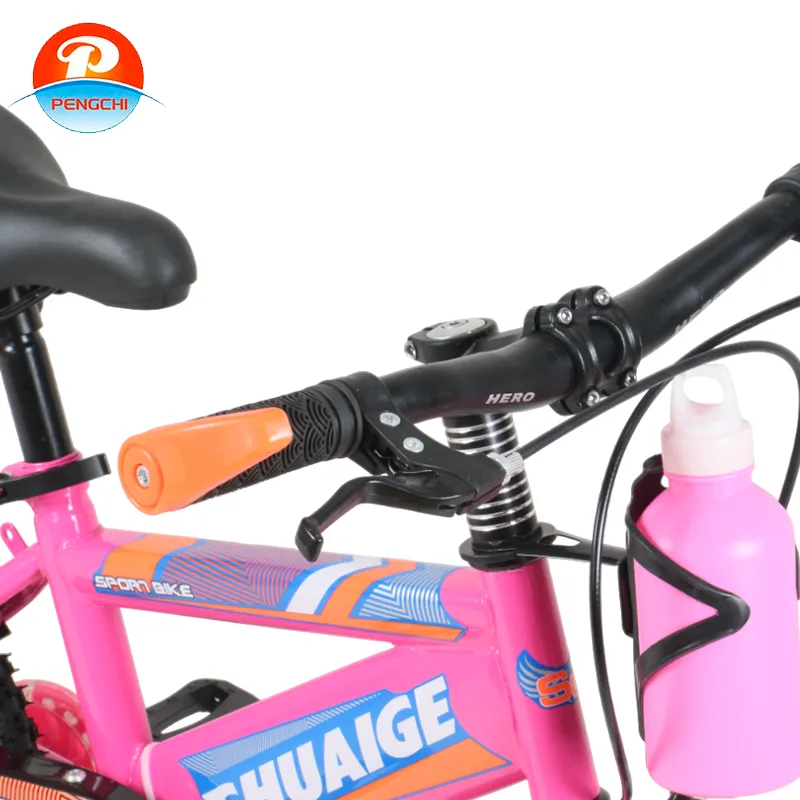
Industry-wide, the sensible move is toward simple drivetrains, steel frames for the younger sizes, and predictable braking. Smart brands are ditching heavy accessories, focusing on geometry that builds confidence. To be honest, flashy suspension on tiny bikes only adds weight; a straight steel fork tends to be more reliable in real-world family use.
Spotlight: PENGCHI children’s line
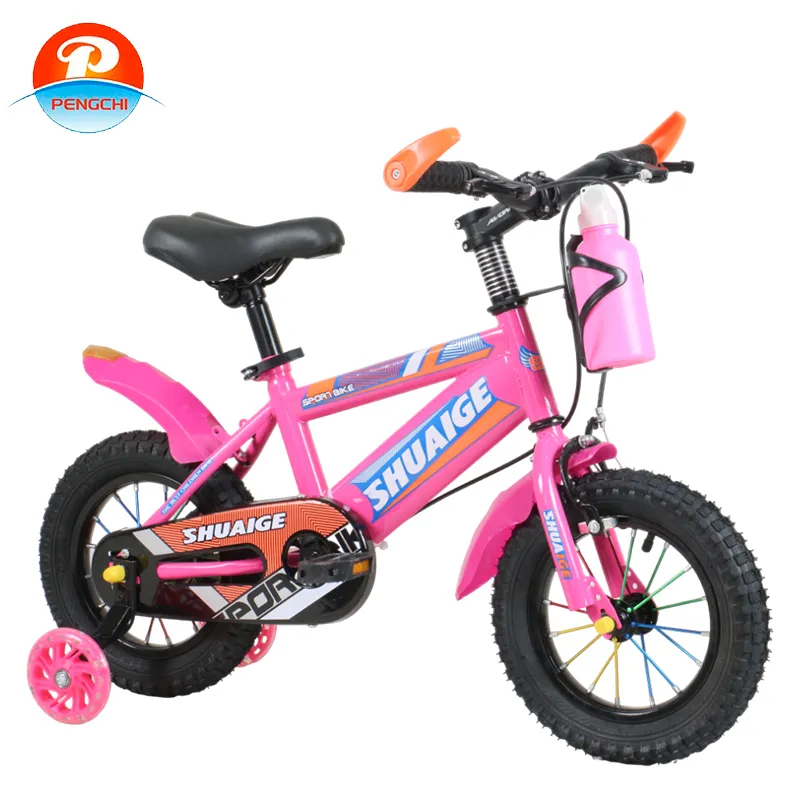
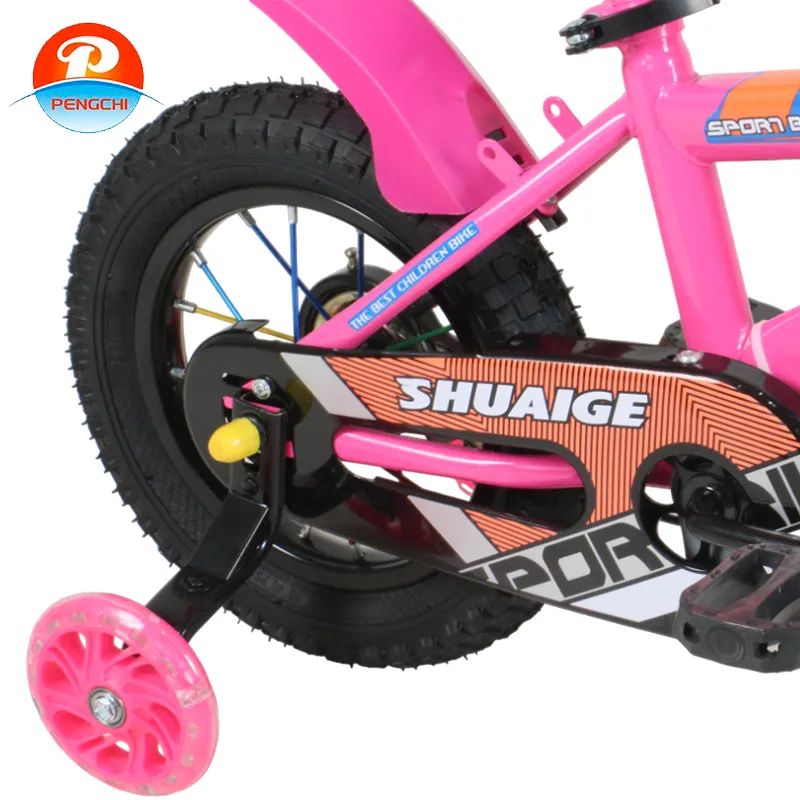
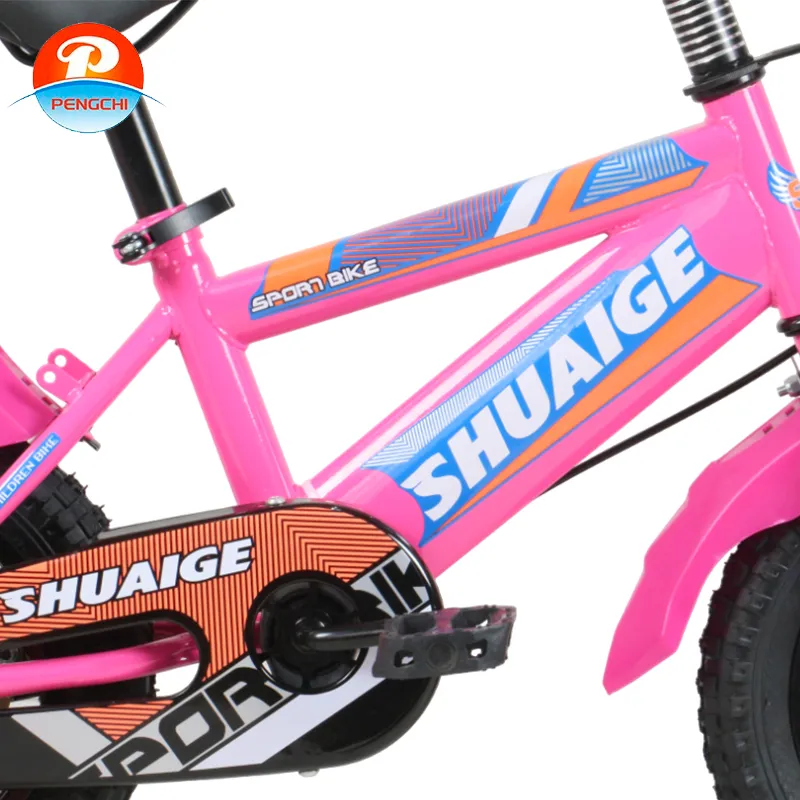
Built in the Middle Section of Heping Road, Guangzong County, Xingtai City, Hebei Province, this series keeps to the essentials—steel frame, single speed, front caliper with rear drum—plus properly aligned training wheels for early riders. Many customers say the out-of-box alignment is surprisingly good; I still suggest a quick wrench check after shipping, of course.
Key specifications (field-tested, with notes)
| Product Name | Children's bicycles with auxiliary wheels (12/14/16/20 inch) |
| Frame / Fork / Rims | Steel (high-tensile); rigid fork; steel rims |
| Gears | Single speed (low maintenance) |
| Brakes | Front caliper & rear drum (balanced lever effort) |
| Net / Gross Weight | ≈8.5 kg / 10 kg (real-world may vary by size) |
| Length | ≈1.2 m (12–16") |
| Package | 72 × 17 × 40 cm; single carton ≈10 kg |
| Brand / Origin | PENGCHI / Hebei, China |
Manufacturing and testing flow (how it’s actually made)
- Materials: Q235 steel tubing; phosphate + powder-coat paint; lead-safe grips and saddles.
- Methods: MIG-welded frame, jig alignment; drum brake riveting; spoke tensioning to ≈100–120 kgf.
- Quality checks: frame fatigue 50,000 cycles; salt-spray test 48 h on coated parts; brake performance dry/wet.
- Standards referenced: ISO 8098 (children’s cycles), CPSC 16 CFR Part 1512, EN 71-3 paint/grip chemistry.
- Service life: 5–7 years with basic care (chains and tires are consumables).
Where it shines
Entry riders (ages ~3–8) on flat paths, school bike clubs, camp fleets, and family weekend loops. Advantages: stable geometry, easy-to-modulate brakes, and parts any neighborhood mechanic understands. A local retailer told me their demo unit survived a summer of rentals with only a new tube and a chain lube—pretty telling.
Field data (internal shop tests)
- Stopping distance: ≤2.5 m from 15 km/h on dry asphalt.
- Handlebar impact test: no visible deformation at 150 J impact energy.
- Drivetrain loss: ≈6–8% measured at 60 rpm (single-speed efficiency is solid).
Customization options
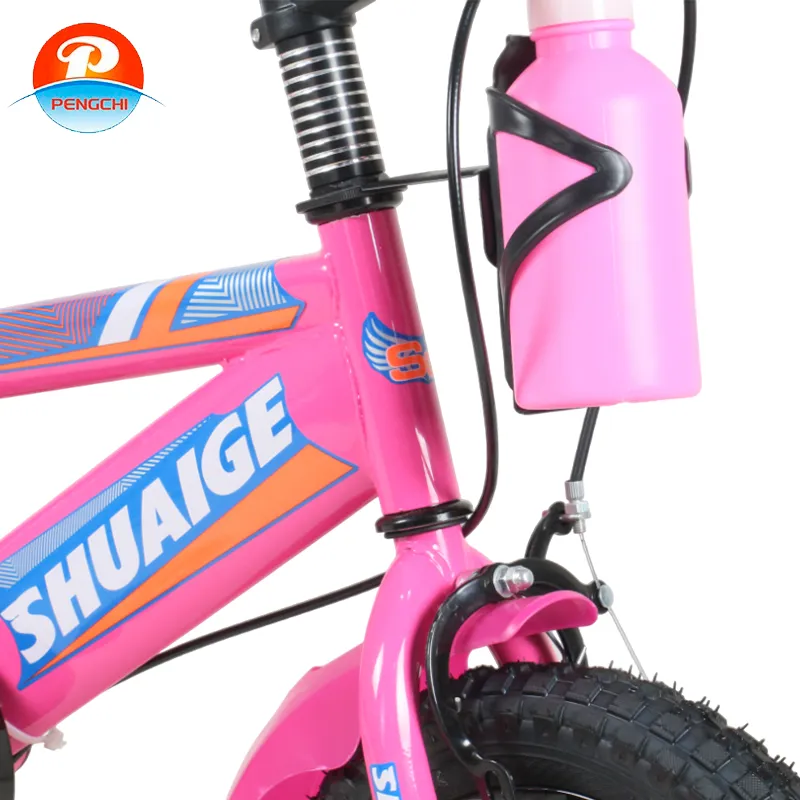
Colorways, branded decals, saddle height ranges, reflectors, bell, basket, and optional puncture-resistant tires. MOQ usually starts around 100 units; lead time 25–35 days depending on paint queue. For fleets, ask for reinforced training-wheel brackets—worth it.
Vendor snapshot (what buyers compare)
| Vendor | Certs (claimed) | Lead Time | MOQ | After-sales |
|---|---|---|---|---|
| PENGCHI (Hebei) | ISO 8098; CPSC 1512; EN 71-3 | 25–35 days | ≈100 | 12-month frame warranty; parts support |
| Generic OEM (Hebei) | ISO 8098 (partial) | 30–45 days | 200 | Frame only |
| Coastal Assembler | CPSC 1512 | 20–28 days | 150 | Limited; third-party parts |
Mini case study
A suburban school district piloted 60 units (14" and 16"). Over 9 months, maintenance logs showed 0 frame failures, 3 tube punctures, and 2 cable replacements. Teachers reported quicker balance progression once training wheels were raised gradually—exactly what you want from a bike for children that’s forgiving but honest.
Final take
If you want an approachable, serviceable bike for children—not a garage anchor—the PENGCHI spec strikes the right balance: steel where it counts, simple brakes, and compliance with the standards that matter. And yes, do a once-over at home: tire pressure, lever reach, and chain tension. Five minutes, big payoff.
Authoritative sources
- ISO 8098: Cycles — Safety requirements for bicycles for young children.
- CPSC 16 CFR Part 1512: Requirements for bicycles (U.S. Consumer Product Safety Commission).
- EN 71-3: Safety of toys — Migration of certain elements (relevant to paints and grips).
- ISO 9227: Corrosion tests in artificial atmospheres — Salt spray tests (reference for coating durability).
-
Ultimate Guide to Choosing a 26 inch folding mountain bike
NewsApr.16,2026
-
Ultimate Guide to Choosing a 3 fold bicycle for Urban Mobility
NewsApr.09,2026
-
Discover the Benefits of a Versatile 3 Speed Folding Bike for Urban Commuting
NewsApr.07,2026
-
Explore the Versatility of the 26 Inch Folding Mountain Bike for All Terrains
NewsApr.04,2026
-
Comprehensive Guide to 360 Folding Bike Price and Finding the Best Option
NewsMar.31,2026
-
Find the Perfect Cheap Fold Up Bike for Your Commute and Travel
NewsMar.28,2026