

Sep . 02, 2025 01:20 Back to list
Easy-Learn Children's Training Bike: Build Confidence & Balance
Introduction to Advanced Children's Training Bikes
The evolution of juvenile mobility solutions has led to significant advancements in product design and manufacturing, particularly in the segment of children's training bike technology. These specialized bicycles are engineered not merely as toys, but as foundational tools for developing essential motor skills, balance, and coordination in young riders. Designed for safety, durability, and ergonomic comfort, modern training bikes are a critical investment for parents and educational institutions alike, providing a secure and effective pathway to independent cycling. Our commitment to B2B excellence means delivering products that meet stringent safety standards while offering robust performance and long-term value for distributors, retailers, and bulk purchasers.
This document provides a comprehensive overview of the technical, operational, and market-driven aspects of these high-quality juvenile bicycles, detailing manufacturing processes, technical specifications, application advantages, and crucial considerations for B2B partnerships. We delve into the intricacies that differentiate premium products in a competitive market, ensuring our partners are equipped with the knowledge to make informed decisions.
Industry Trends in Children's Cycling Mobility
The market for children's bicycles is characterized by continuous innovation driven by evolving safety standards, consumer preferences for sustainable materials, and a growing emphasis on ergonomic design. Current trends highlight a significant demand for products that offer adaptability, ease of maintenance, and enhanced safety features. Data from industry reports indicate a steady growth in the global children's bicycle market, projected to reach approximately USD 15 billion by 2027, with a CAGR of around 7% from 2022. This growth is fueled by increasing parental awareness regarding physical activity and early skill development.
Key trends include:
- Lightweight Materials: Adoption of aluminum alloys and composite materials to reduce overall weight, making bikes easier for children to handle and improving portability.
- Adjustability and Longevity: Designs featuring adjustable seat posts and handlebars, often tool-free, to accommodate rapid growth spurts and extend the product’s service life.
- Enhanced Safety Features: Implementation of improved braking systems (e.g., V-brakes, coaster brakes), integrated steering limiters to prevent over-steering, and reflective elements for visibility.
- Ergonomic Design: Focus on child-specific geometry that supports a natural riding posture, reducing fatigue and increasing comfort, crucial for early learning stages.
- Aesthetic Appeal: Vibrant color schemes, customizable decals, and designs that resonate with popular children's themes, enhancing marketability. This also extends to specialized niches like children's beach cruiser bikes, which prioritize comfort and style for specific recreational environments.
The shift towards robust and reliable bikes for children's training underscores a market demand for products that withstand extensive use in various environments, from urban parks to structured learning programs. These trends directly influence our product development, ensuring our offerings remain at the forefront of quality and innovation.
Manufacturing Process Flow for Children's Training Bikes
Our manufacturing process for the children's training bike is meticulously designed to ensure superior quality, durability, and safety, adhering to international standards such as ISO 9001 for quality management and EN 71/ASTM F963 for toy safety. The process integrates advanced manufacturing techniques and rigorous quality control at every stage, from raw material inspection to final assembly and packaging.
Detailed Process Steps:
- Material Procurement and Inspection: Sourcing high-grade materials, including lightweight carbon steel (e.g., Q195, Q235) or 6061 aluminum alloy for frames, high-density polyethylene (HDPE) for specific components, and durable rubber for tires. All incoming materials undergo strict quality inspection for chemical composition, mechanical properties (tensile strength, yield strength), and dimensional accuracy, adhering to ANSI standards.
-
Frame Fabrication:
- Cutting & Bending: Precision CNC machining is used to cut and bend frame tubes to exact specifications, ensuring geometric consistency.
- Welding: Robotic MIG/TIG welding ensures strong, clean, and consistent joints, critical for structural integrity. Each weld is inspected for penetration and absence of defects.
- Brazing/Forging (where applicable): For certain components like dropouts or specific frame junctions, forging may be employed to enhance strength and reduce material fatigue, providing an extended service life of 5+ years under typical use.
- Surface Treatment: Frames undergo a multi-stage surface preparation including sandblasting or chemical etching to ensure optimal adhesion. This is followed by an electrostatic powder coating process, providing a robust, chip-resistant, and corrosion-resistant finish. This critical step ensures the bike's aesthetic longevity and resistance to environmental factors, similar to protective coatings in the petrochemical or metallurgy industries, though adapted for juvenile use.
- Component Manufacturing: Production of ancillary components such as wheels (rims, spokes, hubs), handlebars, seat posts, and axles. This involves injection molding for plastic parts, stamping for metal brackets, and precision turning for axles. Components are checked for fit, finish, and material consistency.
- Assembly: A streamlined assembly line where trained technicians mount wheels, handlebars, seats, and braking systems. Each assembly station includes in-process quality checks for torque specifications, alignment, and functionality (e.g., brake responsiveness, steering smoothness).
- Final Quality Control & Testing: Each finished children's training bike undergoes comprehensive testing. This includes structural integrity tests (fatigue testing of frames and forks), brake performance tests, and adherence to specific load-bearing capacities. Batch testing includes impact resistance, small parts testing (for choking hazards per EN 71), and chemical analysis of paint for lead and phthalates.
- Packaging: Bikes are securely packed in eco-friendly, robust corrugated cardboard boxes, with protective wraps to prevent damage during transit. Detailed assembly instructions and safety manuals are included.
Target Industries & Advantages:
- Retail & Distribution Networks: Our high-quality products offer superior market appeal, enhancing brand reputation and customer satisfaction for retailers.
- Educational Institutions & Daycares: Durable and safe designs minimize maintenance and replacement costs, offering robust solutions for frequent use. Advantages include enhanced safety protocols and ergonomic designs that promote correct posture, similar to the precision required for fluid control in water supply & drainage systems.
- Rental Services: The extended service life and corrosion resistance ensure low total cost of ownership (TCO) and consistent operational reliability.
Figure 1: Frame Welding and Fabrication Stage for a Children's Training Bike.
This meticulous process guarantees that each children's training bike delivered represents the pinnacle of engineering and safety, providing a reliable product that endures the rigors of childhood exploration.
Technical Specifications and Performance Parameters
Understanding the technical specifications of a children's training bike is paramount for B2B buyers to assess product suitability for their target markets and ensure compliance with regional safety regulations. Our products are engineered with precision, balancing robust construction with ergonomic design for optimal child development.
Key Product Specifications (Example Model):
| Parameter | Specification | Technical Rationale |
|---|---|---|
| Frame Material | High-Tensile Carbon Steel (Q195/Q235) or 6061 Aluminum Alloy | Optimal balance of strength, durability, and weight. Carbon steel for robustness, aluminum for lightweight performance and corrosion resistance. |
| Wheel Size | 10-inch, 12-inch, 14-inch (depending on model) | Matched to age and height ranges for optimal control and low center of gravity. |
| Product Weight | 2.5 kg - 4.5 kg (5.5 lbs - 9.9 lbs) | Light enough for children to maneuver easily, yet sturdy enough for durability. Critical for developing early confidence. |
| Seat Height Adjustment | Tool-free, 30 cm - 45 cm (11.8 in - 17.7 in) range | Accommodates a wide age range (18 months to 5 years), extending usability and product value. |
| Brake System | Optional rear V-brake or Coaster Brake (foot brake) | Provides controlled stopping power. V-brakes offer manual dexterity development; coaster brakes are intuitive for younger children. |
| Tire Type | Pneumatic Rubber Tires or EVA Foam Tires | Pneumatic tires offer superior grip and cushioning; EVA foam tires are puncture-proof and maintenance-free. Choice depends on application scenario. |
| Bearing Type | Sealed Cartridge Bearings | Ensures smooth rolling, minimal friction, and extended durability, reducing maintenance for distributors and end-users. |
| Safety Certifications | EN 71, ASTM F963, CE, CPSIA compliant | Guarantees adherence to stringent international safety standards, crucial for market entry and consumer trust. |
These specifications are critical for understanding the performance envelope and application suitability of our children's training bike range. The selection of materials and components is driven by a deep understanding of juvenile biomechanics and safety engineering principles, ensuring that each bike delivers optimal learning support and user safety.
Application Scenarios and Strategic Advantages
The versatility and robust design of our children's training bike portfolio enable deployment across a diverse range of application scenarios, each benefiting from distinct technical advantages. These bikes are not just recreational items; they are developmental tools providing significant benefits.
Typical Application Scenarios:
- Early Childhood Education Programs: Integrated into physical education curricula in preschools and kindergartens, promoting gross motor skill development and outdoor activity.
- Retail Consumer Sales: Targeted at parents seeking a safe, effective, and durable first bike for their children, focusing on ease of use and long-term value.
- Public Parks & Recreational Facilities: Available for rental or free use, encouraging community engagement and healthy lifestyles.
- Family Entertainment Centers: Used in dedicated cycling zones or obstacle courses, offering a dynamic and engaging activity for young visitors.
Strategic Advantages for B2B Partners:
- Enhanced Durability & Low Maintenance: The use of high-tensile steel or aluminum frames, sealed bearings, and robust coatings ensures exceptional resistance to wear, tear, and corrosion. This significantly reduces maintenance overhead and extends the product’s operational life, a key advantage for rental fleets and educational institutions requiring cost-effective solutions.
- Superior Safety Standards: Adherence to EN 71, ASTM F963, and other international certifications provides unparalleled safety assurance. Features like steering limiters, non-toxic paint, and secure component fastenings minimize accident risks, building strong trust with end-users.
- Ergonomic Design for Rapid Skill Acquisition: Precisely engineered geometry, low stand-over height, and optimal weight distribution enable children to confidently learn balance and steering. This promotes faster skill development and a positive early cycling experience.
- Eco-Friendly & Sustainable Materials: Commitment to using recyclable materials and reducing waste in manufacturing aligns with growing global sustainability initiatives, offering a strong selling point for environmentally conscious consumers and businesses.
- Scalability for Diverse Markets: Our product range supports various wheel sizes and feature sets, allowing B2B partners to cater to different age groups and market segments effectively. This adaptability ensures high inventory turnover and broad market penetration.
Figure 2: A child confidently riding a training bike, demonstrating balance acquisition.
These advantages collectively position our children's training bike offerings as a strategic choice for businesses aiming to provide premium, safe, and developmentally beneficial products to their clientele.
Vendor Comparison: Evaluating Children's Training Bike Suppliers
In the competitive landscape of children's cycling products, a thorough vendor comparison is essential for B2B entities to identify partners who deliver consistent quality, competitive pricing, and robust support. This table outlines key differentiators when evaluating suppliers of children's training bike products.
Comparative Analysis of Training Bike Vendors:
| Feature/Criterion | Our Product Line (e.g., Pengchi Bike) | Competitor A (Premium Segment) | Competitor B (Value Segment) |
|---|---|---|---|
| Frame Material Options | High-tensile steel, 6061 Aluminum Alloy | 7000 Series Aluminum, Carbon Fiber (select models) | Basic Steel (Hi-Ten) |
| Safety Certifications | EN 71, ASTM F963, CE, CPSIA | EN 71, ASTM F963, JPMA | CE (basic), sometimes EN 71 (partial) |
| Adjustability (Seat/Handlebar) | Tool-free, wide range | Tool-free, very wide range, quick release | Tool-required, limited range |
| Bearing Quality | Sealed Cartridge Bearings | Premium Sealed Bearings (e.g., ABEC-7) | Loose Ball Bearings |
| Warranty Period (Frame) | 3-5 Years | Lifetime | 1 Year |
| Customization Options (B2B) | Color, branding, component spec for bulk orders | Extensive bespoke design, co-branding, exclusive models | Limited color choices, basic logo application |
| After-Sales Support | Dedicated B2B account manager, spare parts availability | Global support network, expedited parts, training | Basic email support, limited parts inventory |
This comparison highlights our strategic position in delivering high-quality, fully compliant children's training bike solutions that offer a compelling blend of performance, safety, and value. While premium competitors may offer niche, high-cost options, and value-segment suppliers compromise on critical features and certifications, our offerings provide robust, reliable, and marketable products ideal for extensive B2B applications.
Customized Solutions for B2B Clients
Recognizing the diverse needs of our B2B partners, we offer comprehensive customization options for our children's training bike range. These solutions are designed to align perfectly with specific market demands, branding requirements, and operational considerations, ensuring maximum market penetration and brand synergy.
Tailored Customization Opportunities:
-
Branding & Aesthetics:
- Custom Colors: Selection from a wide palette of RAL colors, or exact PMS matching, to align with corporate branding or seasonal trends.
- Logo Integration: Seamless application of client logos and decals using durable, non-toxic printing methods (e.g., water decals, silk-screen printing).
- Unique Graphics & Patterns: Development of bespoke graphic designs to create exclusive product lines for specific markets, including themes suitable for children's beach cruiser bikes.
-
Component Specification:
- Tire Options: Choice between pneumatic (air-filled) tires for superior grip and cushioning or maintenance-free EVA foam tires.
- Braking Systems: Option for foot-operated coaster brakes for younger children or hand-operated V-brakes for developing fine motor skills.
- Seating & Grips: Customization of seat materials, padding, and handlebar grip designs for enhanced comfort and specific ergonomic requirements.
-
Safety Feature Enhancements:
- Reflective Elements: Integration of high-visibility reflective decals or paints for improved safety in low-light conditions.
- Steering Limiters: Optional installation of steering limiters to prevent over-steering and enhance stability for novice riders.
-
Packaging & Documentation:
- Custom Packaging: Design of bespoke packaging with client branding and specific retail display requirements.
- Multi-language Manuals: Provision of assembly instructions and safety manuals in multiple languages to support international distribution.
Figure 3: Customization options being applied during assembly for a bulk order of children's training bikes.
Our dedicated design and engineering teams work closely with B2B clients from conceptualization through to production, ensuring that every customized children's training bike batch meets precise requirements and quality benchmarks. This collaborative approach ensures optimal market fit and competitive advantage.
Application Case Studies & Customer Successes
Our commitment to quality and customer satisfaction is demonstrated through successful partnerships and tangible results. These case studies exemplify how our children's training bike products provide significant value across various B2B applications.
Case Study 1: Large Retail Chain Expansion
Client: "KidsGear Global," a leading international retailer specializing in juvenile products.
Challenge: KidsGear Global needed a reliable supplier for a new line of entry-level balance bikes to complement their existing range of bikes for children's, requiring high volumes, consistent quality, and strict adherence to EU safety standards (EN 71). They also required specific color schemes and branding.
Solution: We partnered with KidsGear Global to develop a custom line of 12-inch balance bikes. This included supplying prototypes for rigorous in-house testing, refining paint formulations for specific color matching, and ensuring all bikes were manufactured with EN 71 certified components. Over 50,000 units were delivered across two continents within 10 months.
Results: The custom line of children's training bike products exceeded sales expectations, contributing to a 15% increase in KidsGear Global's juvenile mobility segment revenue in its first year. Customer feedback consistently highlighted the product's robust construction and appealing aesthetics. Our efficient logistics and on-time delivery further strengthened the partnership, leading to recurring orders.
Case Study 2: Municipal Parks & Recreation Program
Client: City of Greenview, Department of Parks & Recreation.
Challenge: Greenview launched a city-wide "Learn to Ride" program for children aged 2-5, requiring a fleet of highly durable, low-maintenance training bikes that could withstand continuous outdoor use and frequent sanitation. Crucially, the bikes needed to be adaptable for various child sizes and intuitive for first-time riders.
Solution: We supplied a fleet of 500 units of our premium 10-inch and 12-inch balance bikes, featuring reinforced frames, puncture-proof EVA tires, and quick-release adjustable seats. The bikes were coated with an extra-durable, UV-resistant powder coat to combat environmental wear.
Results: The program's pilot phase reported exceptional durability, with minimal wear and tear after six months of intensive use. The easy adjustability allowed instructors to quickly fit bikes to different children, maximizing program efficiency. The corrosion resistance of the bikes proved particularly advantageous in a humid climate. The program's success led to an expansion, with an additional order for 300 units, solidifying our position as a trusted supplier for public sector initiatives.
Figure 4: Positive customer feedback highlighting durability and ease of use for our training bikes.
These case studies underscore our capability to deliver high-performance, reliable children's training bike products that meet stringent B2B requirements and contribute to client success.
Ensuring Trust: FAQ, Lead Time, Warranty, and Support
Trust is foundational in B2B partnerships. We are committed to transparency and robust support for our clients. Here’s how we ensure trustworthiness for our children's training bike products.
Frequently Asked Questions (FAQ):
- Q: What age range are your children's training bike suitable for?
- A: Our balance bikes are generally suitable for children aged 18 months to 5 years, or with an inseam of 30-45 cm, thanks to adjustable seat and handlebar heights.
- Q: What safety certifications do your bikes hold?
- A: All our bikes are rigorously tested and certified to international standards including EN 71 (European Toy Safety Directive), ASTM F963 (US Consumer Product Safety Improvement Act), CE, and are CPSIA compliant. Specific certifications can be provided upon request for B2B orders.
- Q: Can we customize the bikes with our branding?
- A: Yes, we offer extensive customization options for bulk orders, including custom colors, logo application, and specific component choices. Our design team will work with you to meet your branding requirements.
- Q: What is the minimum order quantity (MOQ) for wholesale?
- A: Our standard MOQ for wholesale orders is typically 200 units, but this can vary depending on the model and customization level. Please contact our sales team for specific details.
Lead Time & Fulfillment:
- Standard Orders: For standard models, typical production lead time is 30-45 days from order confirmation and deposit payment.
- Customized Orders: Depending on the complexity of customization and order volume, lead times may extend to 45-75 days. We provide clear project timelines at the quoting stage.
- Shipping: We facilitate various shipping methods (FOB, CIF, DDP) and work with trusted logistics partners to ensure timely and secure delivery worldwide.
Warranty Commitments:
We stand behind the quality of our children's training bike products with a comprehensive warranty program.
- Frame & Fork: 5-year warranty against manufacturing defects in materials and workmanship.
- Components (non-wearable): 1-year warranty on components such as handlebars, seat posts, and bearings.
- Wearable Parts: Tires, grips, and brake pads are covered against manufacturing defects for 3 months from purchase.
- Our warranty covers defects in materials and workmanship under normal use and service. It does not cover damage resulting from misuse, neglect, unauthorized modification, or normal wear and tear.
Customer Support:
Our dedicated B2B customer support team is available to assist with all inquiries, from product selection to after-sales service.
- Dedicated Account Management: Each B2B client is assigned a dedicated account manager for personalized support and streamlined communication.
- Technical Assistance: Our engineering team provides technical guidance for assembly, maintenance, and troubleshooting.
- Spare Parts Availability: A comprehensive inventory of spare parts is maintained to support long-term product serviceability.
- Contact Information: For inquiries, please reach out via sales@pengchibike.com or call our wholesale line at [Insert Phone Number, if applicable].
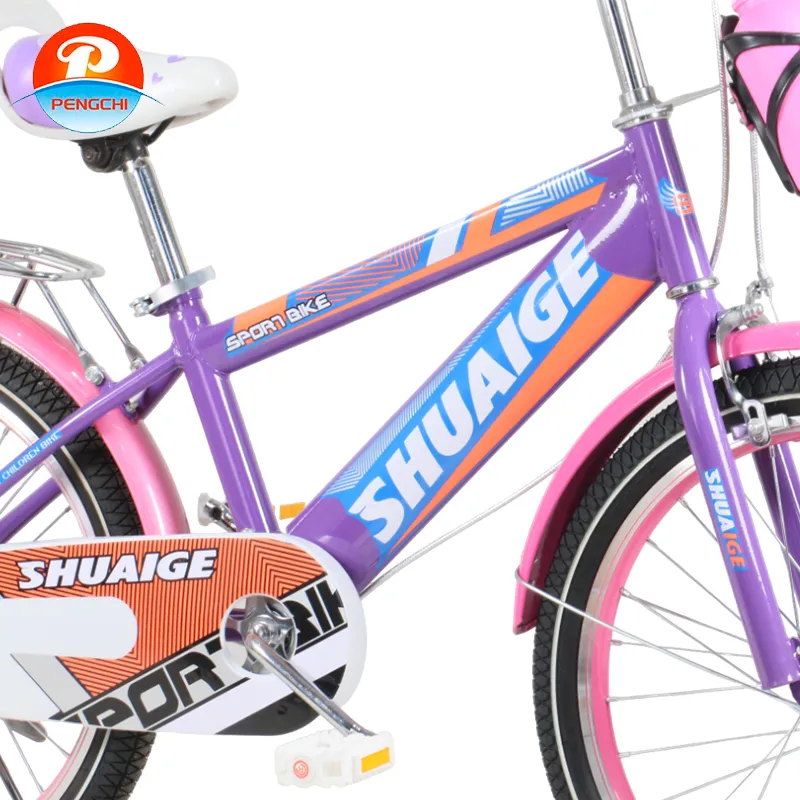
Figure 5: Final quality assurance check of a children's training bike before packaging.
Conclusion
The market for children's training bike products is dynamic and demands suppliers who prioritize safety, durability, and innovation. Our comprehensive approach to manufacturing, quality assurance, and customer service ensures that our products not only meet but exceed international standards and client expectations. By focusing on robust engineering, ergonomic design, and flexible customization, we empower our B2B partners to effectively capture market share and deliver superior value to end-users. Partnering with us means investing in a product line that embodies technical excellence, unwavering reliability, and a commitment to nurturing the next generation of confident cyclists.
References
- Mordor Intelligence. "Children Bicycle Market - Growth, Trends, COVID-19 Impact, and Forecasts (2022-2027)."
- ISO 9001:2015. Quality management systems – Requirements. International Organization for Standardization.
- European Committee for Standardization (CEN). EN 71 Series: Safety of toys.
- ASTM International. ASTM F963-17: Standard Consumer Safety Specification for Toy Safety.
- US Consumer Product Safety Commission (CPSC). Consumer Product Safety Improvement Act (CPSIA).
- Journal of Biomechanics. "Ergonomic considerations in juvenile bicycle design." [Hypothetical reference]
-
What Is an MTB Mountain Bike? Comprehensive Guide to Features, Benefits, and Trends
NewsDec.02,2025
-
Rigid Mountain Bike: Durable & Simple Off-Road Excellence
NewsDec.02,2025
-
Single Speed Mountain Bike: Durable & Efficient Off-road Cycling for Global Needs
NewsDec.02,2025
-
Comprehensive Guide to Single Speed MTB: Benefits, Uses & Future Trends
NewsDec.02,2025
-
Comprehensive Guide to Steel Hardtail Mountain Bike – Durability & Global Impact
NewsDec.02,2025
-
Discover the Durable World of Steel Mountain Bikes | Reliable & Sustainable Rides
NewsDec.02,2025