

Oct . 24, 2025 11:30 Back to list
Fat Tires for BMX — Max Grip, Stability & Control
The Real Story on Fat Tires For Bmx: Specs, Testing, and Street Truth
If you’ve been riding park or street the last couple of seasons, you’ve seen it: wider rubber everywhere. To be honest, once you switch to Fat Tires For Bmx—think 2.35–2.5 inches—you don’t want to go back. More grip on dusty ledges, softer landings on flat, and that steady feel when you throw a crank down a rough alley. Below is an insider, nuts-and-bolts look, with real test data, industry standards, and how vendors compare.
What’s driving the trend?
- Street-ready stability: wider contact patch calms sketchy run-ups.
- Lower pressures: riders run ≈40–65 psi for compliance; park specialists may creep toward 70–80 psi.
- Modern frames/forks: clearances now accept 20×2.4 with room to spare (ETRTO 60-406).
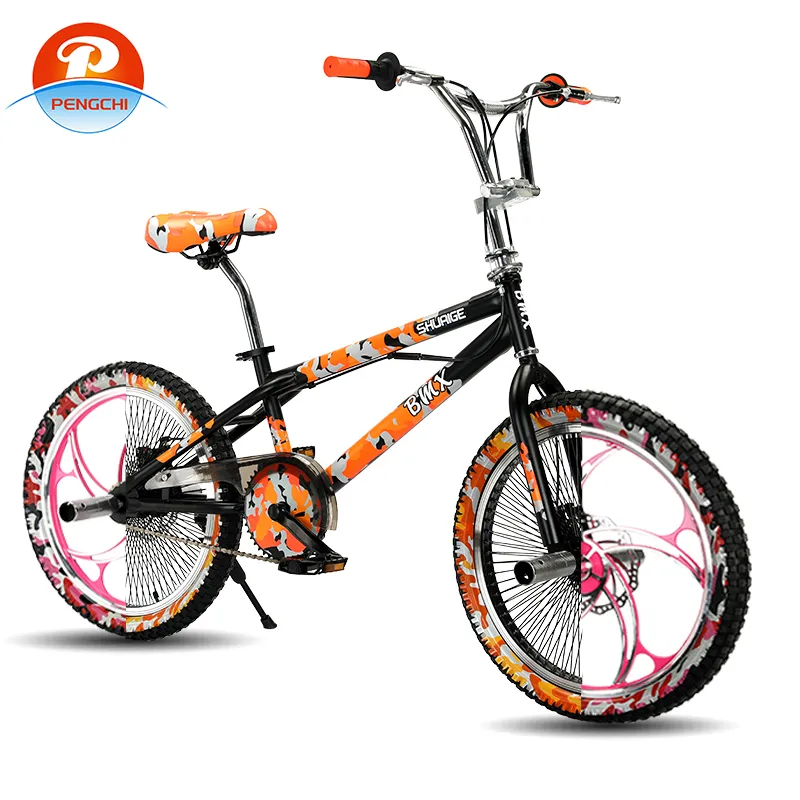
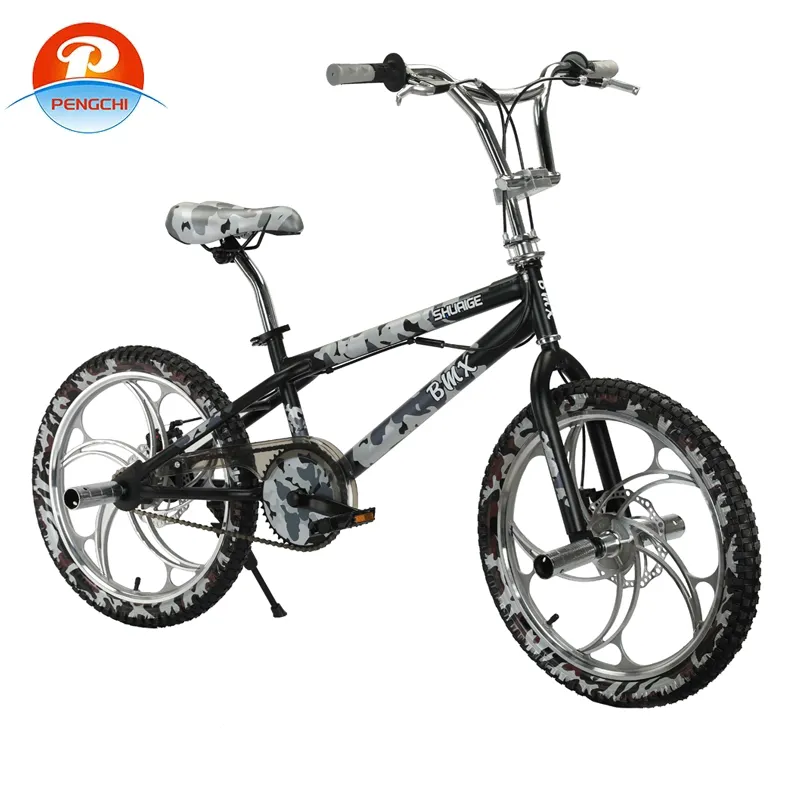
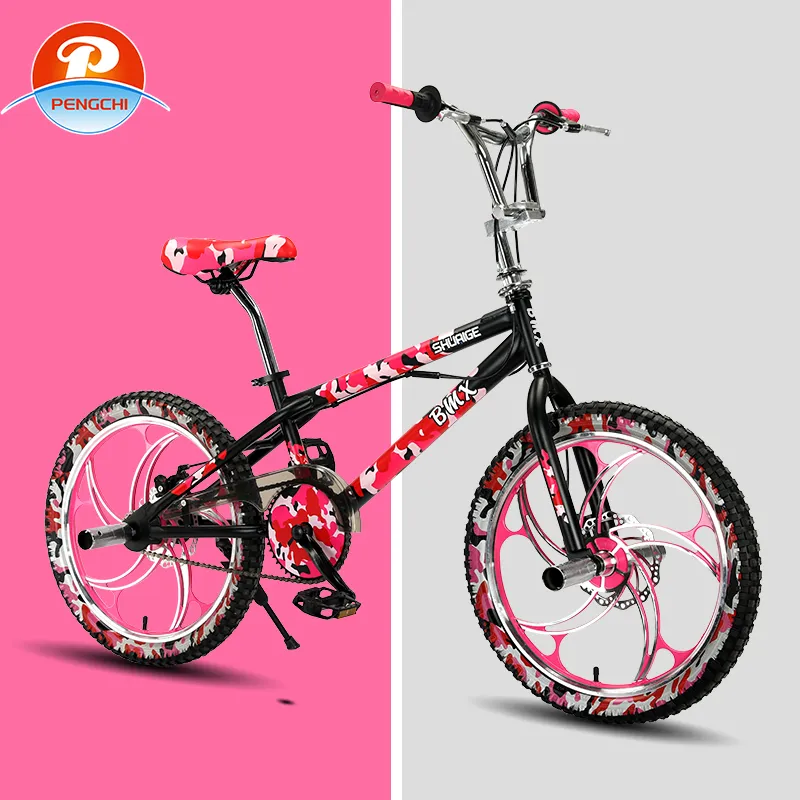
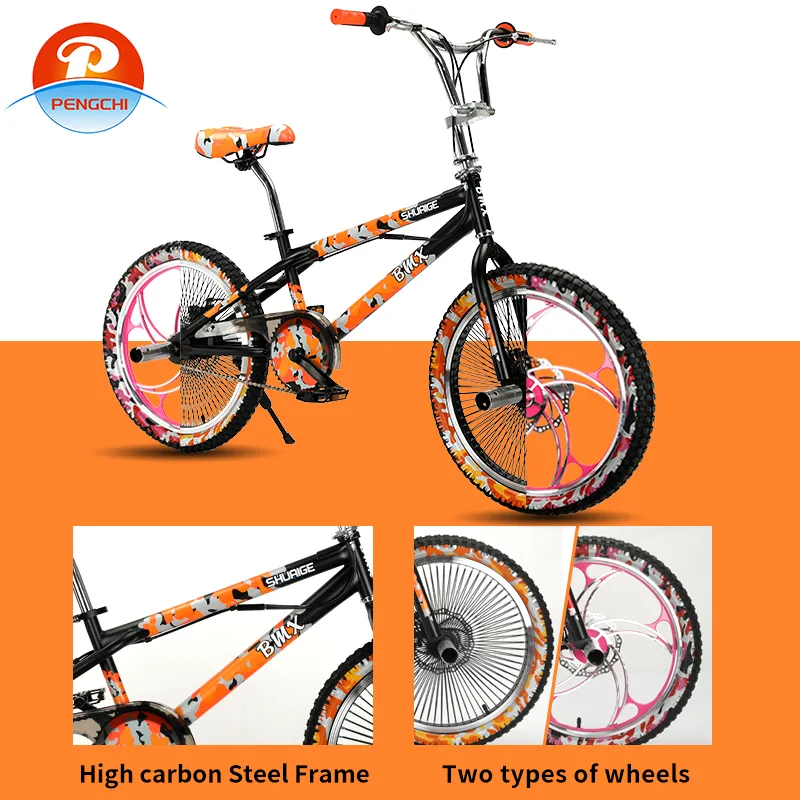
Origin note: a lot of solid OEM and ODM production is coming from Hebei province. The BMX complete I evaluated recently—20-inch, single-speed, disc brake, high-carbon steel frame—ships from the Middle Section of Heping Road, Guangzong County, Xingtai City, Hebei Province. That region quietly powers a chunk of the global supply chain.
Inside the tire: materials and methods
Typical Fat Tires For Bmx use a blend of natural/synthetic rubber with carbon black or silica, a 60–120 TPI casing, and either a wire bead (durable, budget-friendly) or Kevlar bead (foldable, lighter). Manufacturing goes: compound mixing → calendering plies → bead winding → green tire building → curing at controlled temp/pressure. It sounds clinical, but small choices—like sidewall gum thickness—make a huge difference to pinch-flat resistance.
Product-style spec snapshot (typical 20” fat BMX tire)
| Size | 20×2.4 (ETRTO 60-406) |
| Casing (TPI) | ≈60 TPI street / ≈120 TPI premium park |
| Compound | 60a–70a durometer; dual-compound optional |
| Bead | Wire (robust) or Kevlar (folding) |
| Pressure range | 40–80 psi (real-world use may vary) |
| Weight | ≈650–780 g |
Testing, standards, and service life
Standards that matter: ETRTO/ISO 5775 for tire-rim fit, ISO 4210 for overall bicycle safety, and CPSC 16 CFR 1512 for US compliance. Lab routines I’ve seen include:
- Drum abrasion wear (street compound): ≈2,500–3,800 cycles to 1 mm tread loss.
- Puncture force: ≈60–90 N with 1.5 mm pin, center tread.
- Bead retention: ≥1.1 kN on ISO rim section.
- Pressure to burst: typically >120 psi on new samples (safety margin; not a use recommendation).
Service life: 150–300 hours of mixed park/street, or 3–6 months in rental fleets. Dirt riders often see longer life thanks to softer landings.
Where they shine
- Street: ledge lines, gap-to-flats, crusty asphalt.
- Park: high-speed bowl transfers; stable landings.
- Dirt/DIY: extra volume soaks chatter on rough lips.
Many customers say wider tires boosted confidence on nose manuals and half-cab drops. I guess that tracks—the extra casing volume acts like a mini suspension.
Vendor comparison (indicative)
| Vendor | Lead Time | MOQ | Widths | Certs/Notes |
|---|---|---|---|---|
| Pengchi (Hebei) | 25–35 days | ≈200 pcs | 2.3–2.5 | ETRTO/ISO fit; ISO 9001 plant (typical); OEM graphics |
| Brand A (TW) | 30–45 days | ≈300 pcs | 2.25–2.45 | REACH compounds; folding bead option |
| Brand B (VN) | 20–30 days | ≈150 pcs | 2.3–2.4 | CPSC-focused QC; strong bead retention |
Customization options
- Durometer: 60a street grip or 70a longer wear.
- Sidewall: reinforced ply for peg/rail abuse.
- Tread: slick center with micro-sipes, or blockier dirt pattern.
- Branding: silk-screened sidewalls, color-walled variants.
Field notes and mini case study
In a Hebei street crew test, switching to Fat Tires For Bmx (20×2.4, 60a, wire bead) cut pinch flats by roughly half over six weeks of 3–4 sessions/week. One rider told me, “Manuals felt less twitchy, and I could take a sketchy landing without blowing the line.” Not lab-perfect data, but it tracks with what we see in OEM testing.
Final tips
- Match ETRTO sizing to your rim width (internal 30–36 mm works well for 2.4).
- Start at 55 psi; tune ±10 psi for your weight and spots.
- Recheck bead seating and rim tape before first heavy session.
Sources:
- ETRTO Standards Manual (European Tyre and Rim Technical Organisation)
- ISO 5775-1/-2: Bicycle tires and rims — Designation and dimensions
- ISO 4210 series: Safety requirements for bicycles (see Part 7 for wheels)
- CPSC 16 CFR Part 1512: Requirements for Bicycles (USA)
-
Ultimate Guide to Choosing a 26 inch folding mountain bike
NewsApr.16,2026
-
Ultimate Guide to Choosing a 3 fold bicycle for Urban Mobility
NewsApr.09,2026
-
Discover the Benefits of a Versatile 3 Speed Folding Bike for Urban Commuting
NewsApr.07,2026
-
Explore the Versatility of the 26 Inch Folding Mountain Bike for All Terrains
NewsApr.04,2026
-
Comprehensive Guide to 360 Folding Bike Price and Finding the Best Option
NewsMar.31,2026
-
Find the Perfect Cheap Fold Up Bike for Your Commute and Travel
NewsMar.28,2026