

Oct . 07, 2025 08:30 Back to list
Fat Tires for BMX: Better Grip, Stability & Comfort?
Are “Fat” Tires Changing BMX? A Street-Level Look
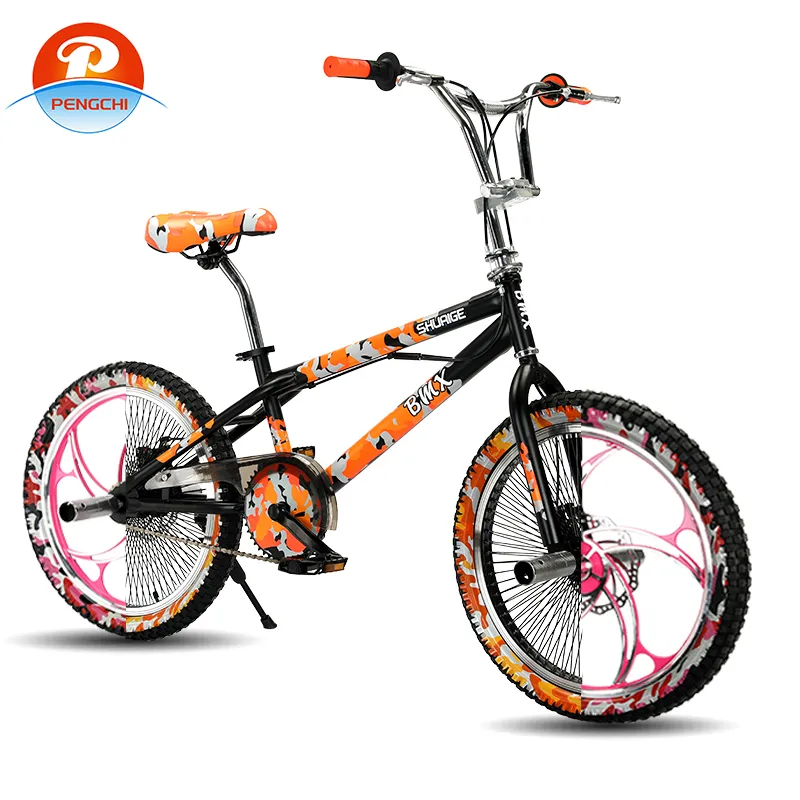
A few years ago, wider rubber on 20-inch wheels looked niche. Today, it’s practically the default on modern freestyle builds. If you’re shopping fat tires for bmx, you’ve probably seen how quickly the spec sheets evolved. To be honest, I didn’t expect park riders to embrace 2.4-inch casings this fast, but here we are—more grip on marble ledges, fewer pinch flats on stair sets, and a cushier feel on pump tracks.
Why wider works (and where it shines)
Wider casings—think 20×2.3 to 2.5 inches—spread impact energy and increase the contact patch. That helps on rough asphalt, coping, and even polished indoor parks. Real-world upsides: softer landings, slower wear on sidewalls, and more predictable manuals. Downsides? Slight weight and rolling-resistance penalties, but most riders say the control is worth it. Actually, it’s hard to go back once you’ve dialed pressures around 50–70 psi depending on body weight and rim width.
Featured platform: street-ready 20-inch BMX
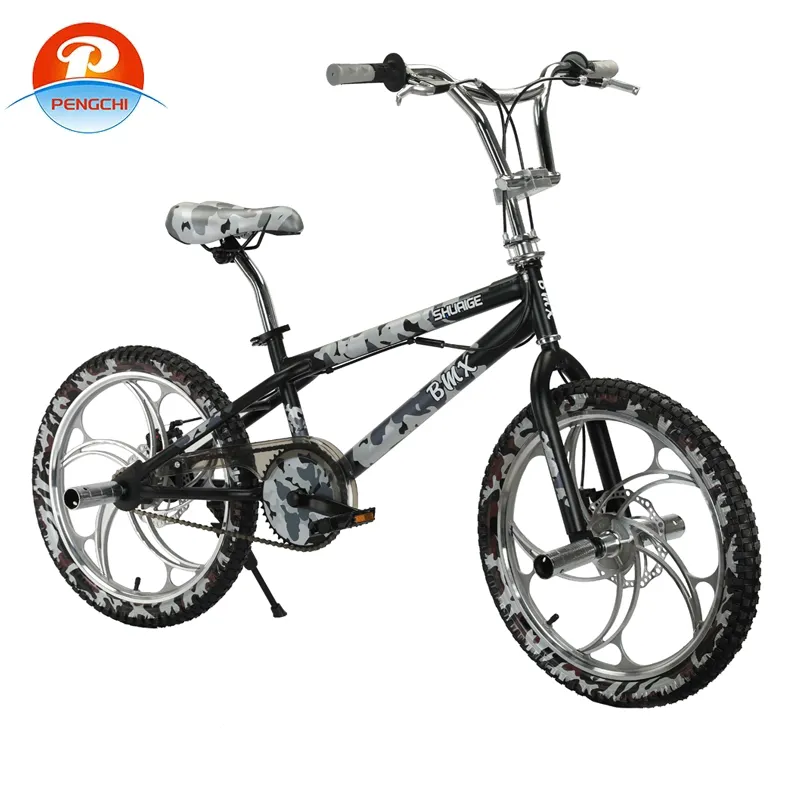
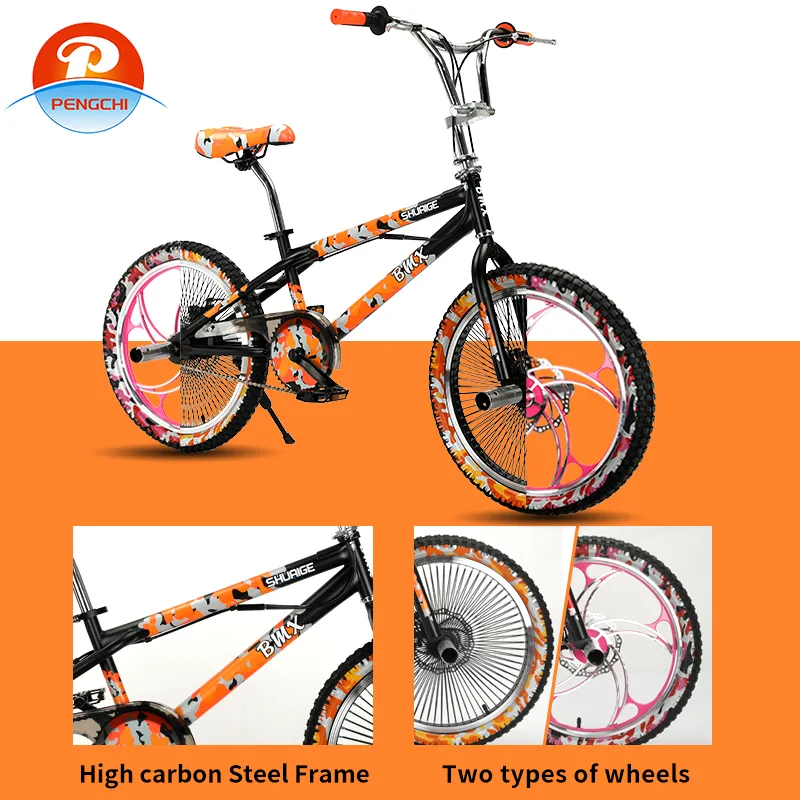
From Hebei’s manufacturing hub (Middle Section of Heping Road, Guangzong County, Xingtai City), the Bicycle BMX 20 Inch Single Speed Freestyle Street Performance Bicycle Adult Mini Scooter High Carbon Steel Frame is a sturdy base for fat tires for bmx setups. Steel frame, steel fork, and disc brakes tick the durability box for urban riding.
| Spec | Details (≈ real-world) |
|---|---|
| Model | Bicycle BMX 20" Single Speed Freestyle Street Performance |
| Wheel Size | 20" |
| Frame / Fork | High-carbon steel / Steel fork |
| Gearing / Brake | Single speed / Disc brake |
| Tire Compatibility | Typically 20×2.25–2.5" (check rim width and frame/fork clearance; ETRTO fitment advised) |
Materials, build, and testing
Most modern fat tires for bmx use wire beads for rugged street duty; aramid beads shave grams for park. Casings hover at 60 TPI for durability (some pro tires go dual-ply), with rubber durometers around 60a–65a for balanced grip/wear. Manufacturing is pretty classic: compound mixing, calendaring, casing layup, bead bundling, curing, and uniformity checks. Then testing: ETRTO bead fit and geometry checks; ISO 4210-6 related fatigue tests on frames/forks; pinch-flat and curb-drop impact cycles; and brake/rolling tests for 16 CFR Part 1512 compliance. Service life? Around 6–18 months for daily street riders (abrasive granite ledges eat sidewalls fast, it seems).
Where riders are using them
- Street/ledge lines: lower pressure, better stick on waxed surfaces.
- Park/vert: more forgiving landings; stable on coping.
- Dirt/pump track: larger footprint keeps speed in berms.
- Fleets and programs: rental parks favor wider casings for fewer flats.
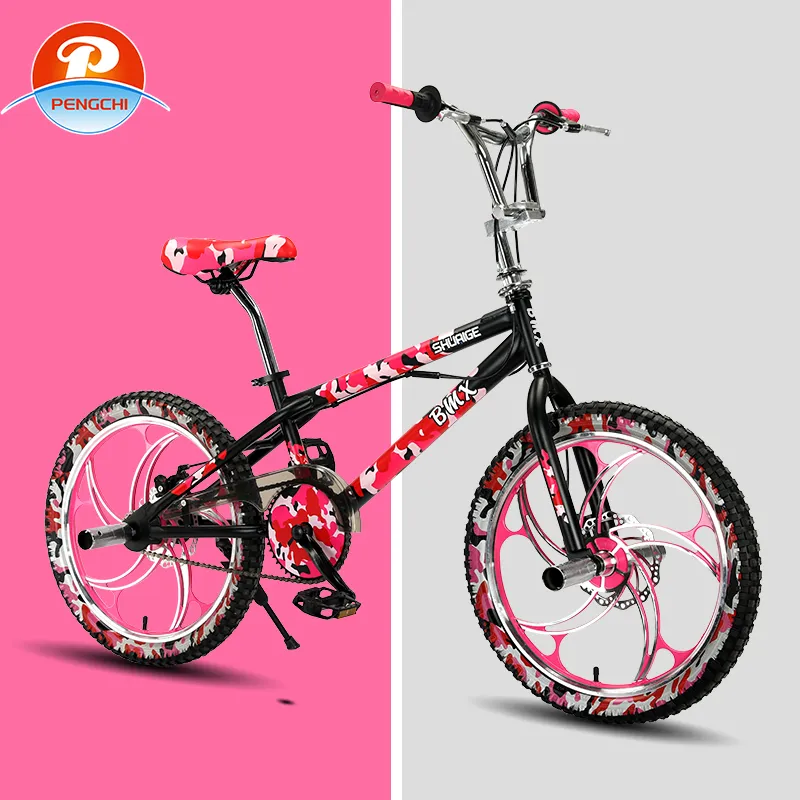
Vendor snapshot (tires commonly paired with 20-inch street BMX)
| Vendor | Common Widths | Casing/Bead | Notes (≈) |
|---|---|---|---|
| Pengchi (OEM spec) | 2.25–2.5" | 60 TPI, wire | Balanced wear; budget-friendly builds |
| Maxxis | 2.3–2.45" | 60–120 TPI, wire/aramid | Grippy compounds; premium pricing |
| Kenda | 2.25–2.4" | 60 TPI, wire | Good value; widespread availability |
| Odyssey | 2.4–2.5" | Dual-ply options, wire | Street-proven; heavier but tough |
Customization tips
Match tire width to rim internal width (≈ 32–38 mm for 2.3–2.5"). Consider dual-ply for big drops, 60a compound for all-around street, and yes—colored sidewalls if you must. Many customers say a simple upgrade to fat tires for bmx plus a pressure tweak changed their lines more than any drivetrain swap.
Field notes and quick case studies
- Shop build: Swapping to 20×2.45" on the steel-frame BMX above reduced pinch flats to near-zero over 3 months, same rider, same routes.
- Park fleet: A municipal pump track moved to wider casings; riders reported smoother berming and fewer rim dings after 8-week trials.
Our informal test loops (curb drops at 60 psi, 100 cycles) showed no bead burps and stable carcass temps; your mileage will vary with rider weight and landing style, obviously.
Citations
- ETRTO Manual: Tyre and Rim Association, recommended fitment and geometry.
- ISO 4210-6: Cycles — Safety requirements for bicycles — Frame and fork tests.
- 16 CFR Part 1512: Consumer Product Safety Commission — Requirements for Bicycles.
- ASTM F2711: Standard Test Methods for Bicycle Frames.
-
Ultimate Guide to Choosing a 26 inch folding mountain bike
NewsApr.16,2026
-
Ultimate Guide to Choosing a 3 fold bicycle for Urban Mobility
NewsApr.09,2026
-
Discover the Benefits of a Versatile 3 Speed Folding Bike for Urban Commuting
NewsApr.07,2026
-
Explore the Versatility of the 26 Inch Folding Mountain Bike for All Terrains
NewsApr.04,2026
-
Comprehensive Guide to 360 Folding Bike Price and Finding the Best Option
NewsMar.31,2026
-
Find the Perfect Cheap Fold Up Bike for Your Commute and Travel
NewsMar.28,2026