

Nov . 01, 2024 03:19 Back to list
Tips for Selecting the Perfect Full Suspension Mountain Bike for Your Needs
How to Choose a Full Suspension Mountain Bike
Selecting the right full suspension mountain bike can be a daunting task, especially for those new to the sport. With countless models and features, it's essential to understand what to look for to find the perfect ride that suits your needs and style. Here are some key factors to consider when choosing a full suspension mountain bike.
1. Determine Your Riding Style
Before diving into technical specifications, determine your primary riding style. Are you a cross-country racer, an all-mountain rider, or do you prefer downhill trails? Each riding style will dictate the type of full suspension bike you should look for. Cross-country bikes tend to be lighter and more efficient for climbing, while all-mountain and downhill bikes prioritize stability and ruggedness for tougher terrains.
2. Understand Suspension Travel
Suspension travel refers to the distance the suspension can compress. Longer travel bikes (around 150mm or more) are better suited for rough, downhill trails, providing more cushioning over bumps. Conversely, shorter travel bikes (around 100mm to 130mm) are ideal for cross-country riding, where efficiency and being lightweight are crucial. Balance your need for stability with your desire for climbing performance when considering travel.
The frame material of a mountain bike significantly impacts its weight, durability, and ride quality. Common materials include aluminum, carbon fiber, and steel.
how to choose a full suspension mountain bike
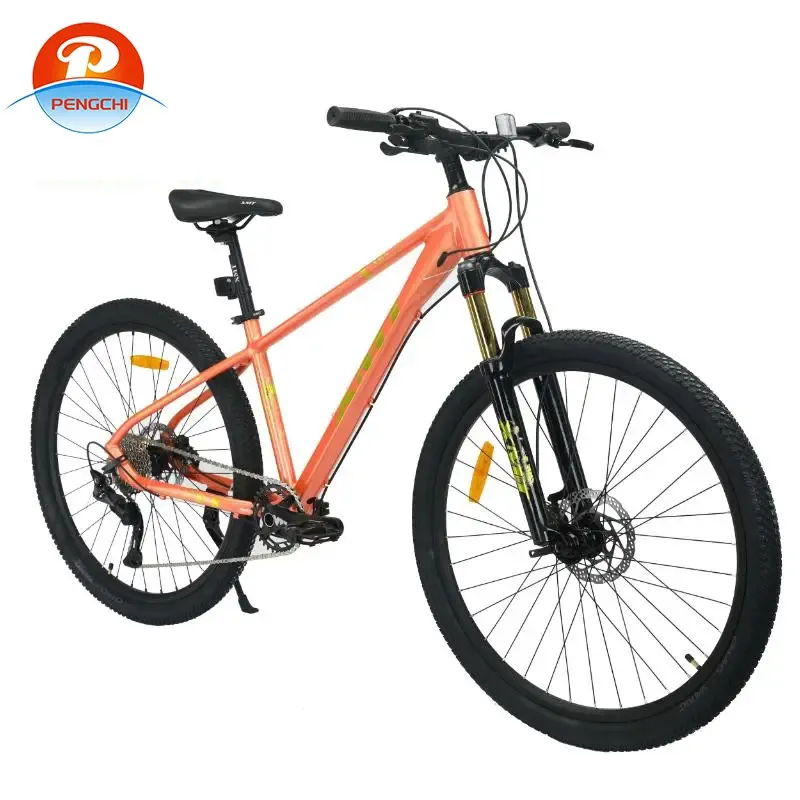
- Aluminum is a popular choice as it is affordable, lightweight, and offers good durability. - Carbon fiber is more expensive but provides an excellent strength-to-weight ratio and can absorb more vibrations, leading to a smoother ride. - Steel is less common for high-end bikes, but it is incredibly durable and has a natural flex that can enhance comfort on long rides.
4. Fit and Comfort
The bike's fit is crucial for optimal performance and comfort. When choosing a full suspension mountain bike, ensure that the frame size and geometry match your height and riding style. It’s best to test ride a few models to see which feels most comfortable. Pay attention to the reach, standover height, and handlebar width, as these will affect your riding experience.
5. Components and Price
Investing in quality components can significantly enhance your biking experience. Pay attention to the drivetrain, brakes, and wheels. Hydraulic disc brakes, for example, offer better stopping power than mechanical brakes, particularly on steep descents. Set a budget that includes not only the cost of the bike but also potential upgrades for components, which can make a substantial difference in performance.
Conclusion
Choosing a full suspension mountain bike involves careful consideration of your riding style, suspension travel, frame material, fit, and components. Don't rush the process. Take the time to test ride different bikes and consult with experienced riders or professionals at your local bike shop. The right bike can make a significant difference in your riding experience, enhancing not only performance but also enjoyment on the trails. With these tips in mind, you're well on your way to finding the perfect mountain bike for your adventures!
-
What Is an MTB Mountain Bike? Comprehensive Guide to Features, Benefits, and Trends
NewsDec.02,2025
-
Rigid Mountain Bike: Durable & Simple Off-Road Excellence
NewsDec.02,2025
-
Single Speed Mountain Bike: Durable & Efficient Off-road Cycling for Global Needs
NewsDec.02,2025
-
Comprehensive Guide to Single Speed MTB: Benefits, Uses & Future Trends
NewsDec.02,2025
-
Comprehensive Guide to Steel Hardtail Mountain Bike – Durability & Global Impact
NewsDec.02,2025
-
Discover the Durable World of Steel Mountain Bikes | Reliable & Sustainable Rides
NewsDec.02,2025