The world of extreme cycling is defined by agility, strength, and an unwavering spirit of adventure, all encapsulated in the design of the bike bmx. Whether it is navigating the concrete jungles of urban street riding or soaring through the air in a professional dirt jump competition, these specialized machines are engineered to withstand immense pressure while remaining incredibly responsive. For enthusiasts and professionals alike, understanding the nuance of a high-quality BMX setup is the difference between a failed trick and a podium finish.
Globally, the appeal of BMX has transitioned from a niche subculture to a recognized Olympic sport, driving a surge in manufacturing innovation. The demand for lightweight yet indestructible frames has pushed the boundaries of metallurgy, incorporating advanced chromoly steels and heat-treatment processes. This evolution ensures that riders can push their physical limits without fearing mechanical failure, making the sport more accessible to a diverse demographic of athletes worldwide.
Choosing the right bike bmx involves balancing geometry, weight, and durability based on the rider's specific discipline. From the steep head angles required for technical street maneuvers to the stability needed for race tracks, the engineering behind these bikes is far from simple. By exploring the technical components and industry standards, riders can optimize their performance and ensure a safer, more exhilarating riding experience.
The Engineering Foundations of Bike BMX
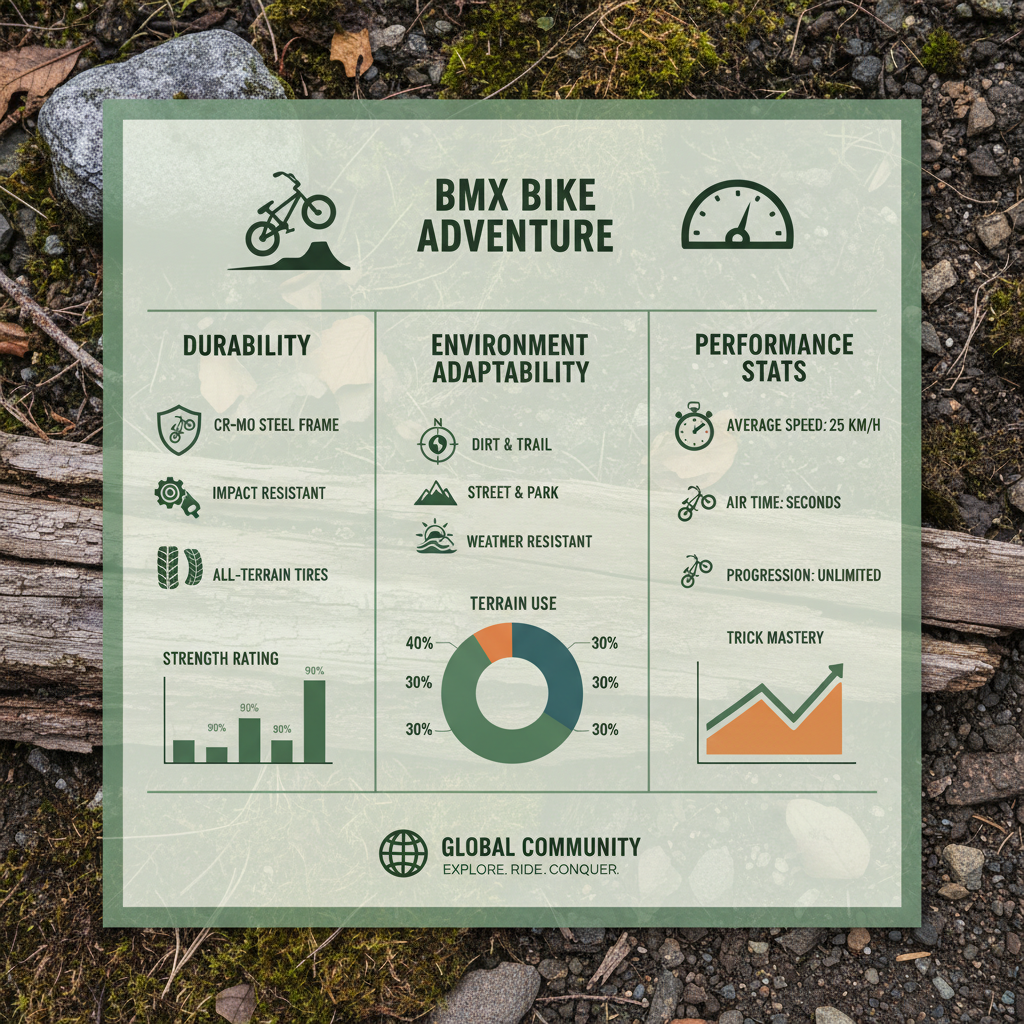
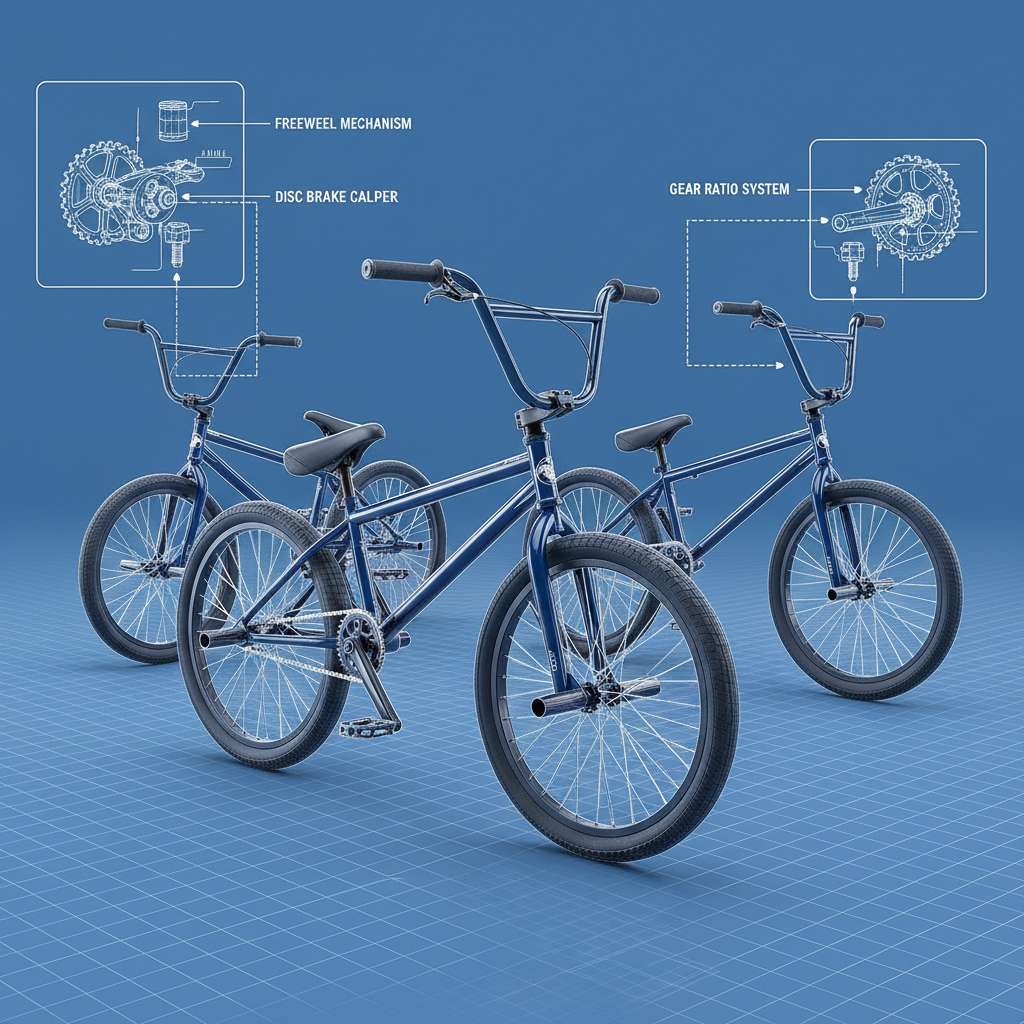
The structural integrity of a bike bmx begins with its frame, which must act as a rigid chassis capable of absorbing high-impact landings. Unlike standard city bikes, the BMX frame is characterized by a compact design, shorter wheelbases, and reinforced gussets at critical stress points like the head tube and bottom bracket. This engineering ensures that the energy transferred from the rider's muscles is converted efficiently into motion and lift.
Beyond the frame, the integration of high-pressure tires and reinforced rims prevents "snake bites" and rim buckling during aggressive maneuvers. Every component, from the hubs to the cranks, is designed for extreme torque and lateral stress. This holistic approach to engineering transforms the bicycle from a mere transport tool into a high-performance instrument for athletic expression.
Understanding BMX Geometry and Ride Feel
Geometry is the silent architect of how a bike bmx handles. The head tube angle, for instance, dictates the responsiveness of the steering; a steeper angle allows for quicker turns and easier nose-manuals, while a slack angle provides more stability at high speeds, which is essential for big-air transitions and racing. Riders must choose a geometry that aligns with their specific style of riding.
Chainstay length is another critical factor that influences the bike's "pop." Shorter chainstays bring the rear wheel closer to the center of gravity, making it significantly easier to lift the front end for bunny hops and rotations. However, this comes at the cost of stability, meaning a street-oriented bike will feel twitchier than a park or race-specific model.
Finally, the top tube length determines the rider's fit and balance. A tube that is too long can make the bike feel like a boat, hindering agility, while one that is too short can feel cramped and unstable during aerials. Finding the "sweet spot" in geometry allows the rider to merge with the machine, turning complex movements into intuitive muscle memory.
Material Science in Frame Construction
The choice of materials for a bike bmx is a constant battle between weight reduction and structural durability. High-tensile steel (Hi-Ten) is common in entry-level bikes due to its cost-effectiveness, but it is heavier and more prone to bending under extreme stress compared to professional-grade alloys.
Chromoly (4130 Chromium-Molybdenum) is the gold standard for the serious bike bmx enthusiast. This alloy offers a superior strength-to-weight ratio, allowing tubes to be thinner (and thus lighter) while maintaining the rigidity needed to survive repeated drops from height. The addition of heat treatment further refines the grain structure of the metal, drastically increasing fatigue resistance.
In recent years, some manufacturers have experimented with aluminum and carbon fiber for racing-specific BMX. While these materials offer unmatched lightness and stiffness for explosive sprints, they lack the "flex" and impact absorption of steel, making them less suitable for freestyle riding where the frame needs to absorb the shock of a hard landing without cracking.
Performance Metrics for Different Disciplines
Depending on whether a rider focuses on Street, Park, Dirt, or Flatland, the performance requirements for their bike bmx shift dramatically. Street riders prioritize durability and "grind-ability," often utilizing steel pegs and thicker tubing. Park riders look for a lighter build to facilitate rapid rotations and technical air tricks.
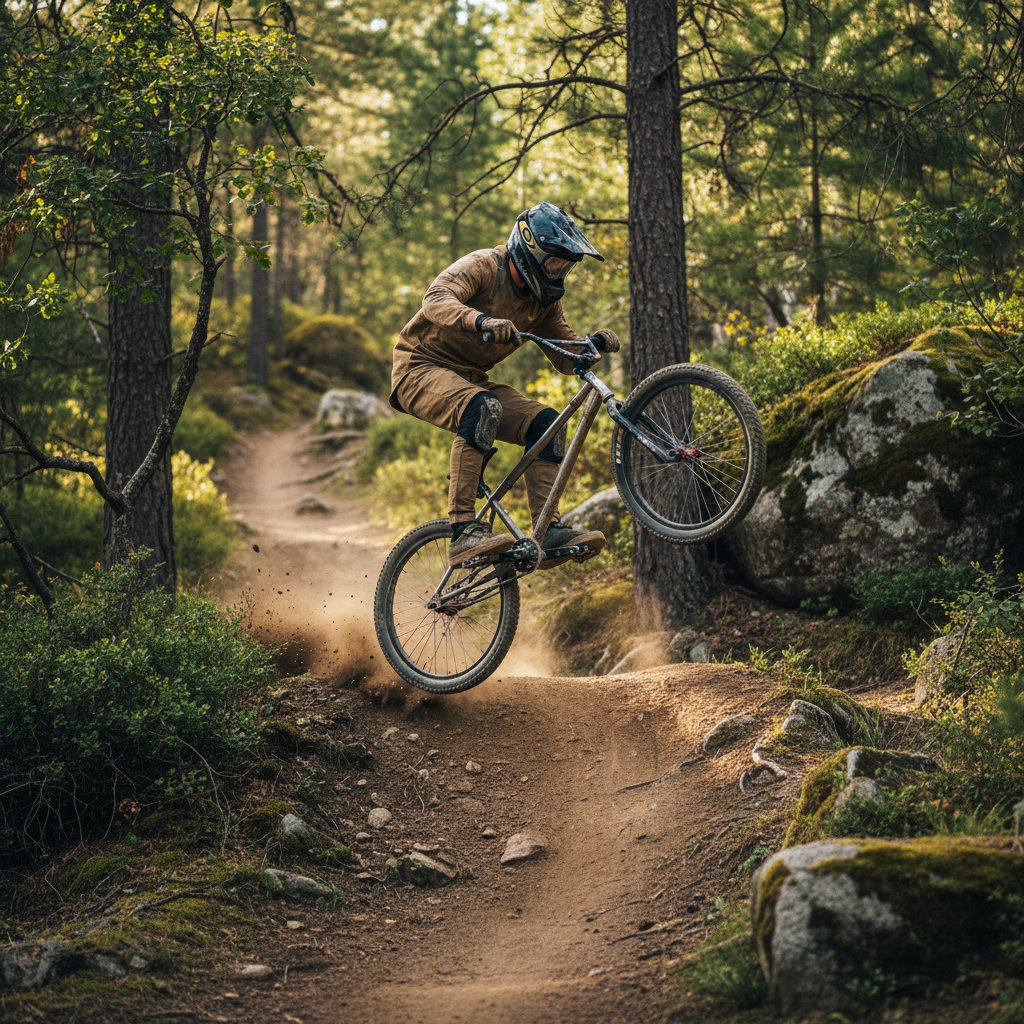
Dirt jumpers require a bike that can handle high-speed approach and massive impact, often favoring a slightly longer wheelbase for stability in the air. Flatland riders, conversely, use bikes with extremely short geometries and specialized hubs to allow for balance-based tricks on a flat surface.
Comparison of Bike BMX Discipline Requirements
Global Applications and Competitive Use Cases
The application of the bike bmx extends far beyond recreational hobbies. In urban planning, "BMX Parks" are now integrated into city designs in Europe and North America to promote youth activity and mental health. These spaces act as social hubs where the discipline of the sport fosters community and resilience among teenagers.
On the professional stage, the X-Games and Olympic Games have standardized the technical requirements for these bikes. The pressure to shave grams off the total weight without sacrificing strength has led to a global supply chain of precision-engineered parts, from CNC-machined stems to lightweight titanium bolts, benefiting both the elite athlete and the weekend warrior.
Longevity and Maintenance Strategies
Maintaining a bike bmx is essential for both safety and performance. Because these bikes are subjected to high-impact forces, the tension of the spokes must be checked regularly to prevent wheel warping. Lubricating the chain and checking the tightness of the axle nuts are daily rituals for riders to avoid catastrophic failure during a trick.
Corrosion is a significant enemy, especially for riders in coastal cities. Applying a protective wax or clear coat to the frame can prevent rust from compromising the integrity of the steel. Furthermore, replacing worn-out brake pads and tires before they reach their limit ensures that the rider maintains maximum control during critical decelerations.
Expert riders also recommend a "stress audit" every few months, where the frame is inspected for hairline cracks around the welds. Addressing these issues early through professional welding or timely component replacement extends the life of the bike and, more importantly, prevents accidents.
Future Innovations in BMX Technology
The future of the bike bmx is leaning heavily toward sustainable materials and smart integration. We are seeing the emergence of recycled alloys and bio-based composites that aim to reduce the carbon footprint of manufacturing without sacrificing the legendary strength of Chromoly. These innovations are crucial as the industry moves toward greener production standards.
Digital transformation is also entering the scene. Some prototype frames now incorporate embedded sensors that can track the G-force of landings, providing riders with data to improve their landing technique and reduce joint impact. This "smart-bike" approach allows for a more scientific method of training and injury prevention.
Additionally, the shift toward modularity allows riders to swap geometry-altering components more easily, effectively turning one bike into a multi-discipline machine. This adaptability reduces waste and lowers the cost of entry for new riders.
Technical Analysis of BMX Frame Material Performance
| Material Type |
Impact Resistance |
Weight Class |
Cost Efficiency |
| Hi-Ten Steel |
Moderate |
Heavy |
High |
| 4130 Chromoly |
Very High |
Medium |
Moderate |
| Heat-Treated Alloy |
Extreme |
Light-Medium |
Low |
| Aluminum 6061 |
Low (Brittle) |
Very Light |
Moderate |
| Titanium Grade 9 |
High |
Light |
Very Low |
| Carbon Composite |
Low (Impact) |
Ultra Light |
Low |
FAQS
A bike bmx is specifically designed for stunts, tricks, and short-distance bursts of speed, featuring small 20-inch wheels and a very rigid frame. Mountain bikes are built for long-distance off-road terrain, featuring larger wheels, suspension systems to absorb bumps, and multiple gears for climbing, which are absent in most BMX models.
While Hi-Ten is cheaper, Chromoly is significantly more durable and lighter. For a beginner who plans to progress quickly into jumps and drops, investing in a Chromoly bike bmx prevents the frame from bending or snapping, potentially saving money on replacements in the long run.
Frame size is usually measured by the top tube length. Shorter tubes (under 20") are better for smaller riders or those doing technical street tricks. Longer tubes (20.5" to 21") provide more stability for taller riders and those focusing on park or dirt jumping. It is best to match the size to your height and riding style.
Many professional street riders prefer "brakeless" setups to allow the bike to spin freely and reduce weight. However, for beginners and park riders, brakes are highly recommended for safety and control. You can always start with brakes and remove them once your balance and skill level increase.
Because a bike bmx is subject to extreme vibrations and impacts, you should perform a "bolt check" before every session. Pay special attention to the axle nuts, stem bolts, and crank arms to ensure nothing loosens during a jump, which could lead to serious injury.
While possible, it is not ideal. BMX bikes have a single gear and a geometry designed for tricks, not efficiency. You will find that you pedal much more to maintain speed compared to a city bike. However, for very short distances, their durability makes them a rugged choice for urban environments.
Conclusion
The bike bmx is far more than a simple bicycle; it is a meticulously engineered piece of sporting equipment that bridges the gap between athletic performance and urban art. From the selection of 4130 Chromoly steel to the precise calibration of head tube angles, every detail is optimized to allow the rider to defy gravity and conquer the concrete. By prioritizing durability, geometry, and consistent maintenance, riders can unlock their full potential and enjoy the exhilarating freedom that this sport provides.
As we look toward the future, the integration of sustainable materials and data-driven training will continue to push the boundaries of what is possible on two wheels. Whether you are a novice looking for your first ride or a seasoned pro refining your setup, the focus should always remain on quality and safety. To find the perfect machine tailored to your ambitions, we invite you to explore our professional range. Visit our website: www.pengchibike.com