

Nov . 19, 2024 17:51 Back to list
Tips for Choosing the Perfect Mountain Bike for Your Adventure Needs
How to Pick a Mountain Bike A Comprehensive Guide
Choosing the right mountain bike can make a significant difference in your riding experience, whether you're a beginner or a seasoned cyclist. With numerous options available, from different frame materials to various suspension types, selecting the perfect mountain bike may seem overwhelming. Here’s a guide to help you navigate through the process.
1. Determine Your Riding Style
Before you start shopping, it's essential to identify your riding style. Consider where you’ll primarily be riding. Are you going to tackle rugged trails, smooth cross-country paths, or steep downhill routes? The answers to these questions will help narrow down the type of mountain bike you need
- Cross-Country (XC) bikes are lightweight and built for speed and efficiency on smooth surfaces. - Trail bikes offer a good balance between climbing and descending, making them versatile for various terrains. - All-Mountain bikes are designed for more aggressive trails, featuring robust frames and greater suspension travel. - Downhill bikes prioritize stability and control for steep descents and require intense skill to handle.
2. Choose the Right Frame Material
Mountain bike frames are typically made from aluminum, carbon fiber, steel, or titanium. Each material has its advantages and disadvantages
- Aluminum is the most common material; it’s lightweight and relatively affordable. - Carbon fiber offers superior lightness and shock absorption but comes at a higher price. - Steel is durable and provides a comfortable ride but can be heavier. - Titanium combines strength and lightness but is also expensive.
3. Suspension Types Hardtail vs. Full Suspension
how to pick a mountain bike
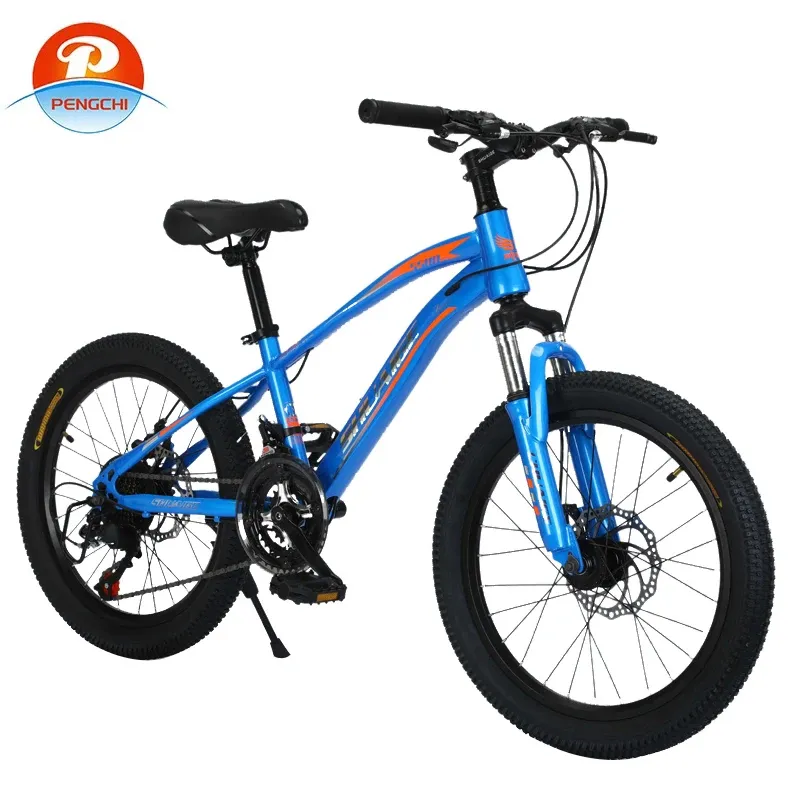
Mountain bikes come with two main types of suspension
- Hardtail bikes have a suspension fork at the front but no rear suspension. They are usually lighter and more efficient for climbing. - Full suspension bikes have both front and rear suspension, providing more comfort and control on rough terrain. However, they are typically heavier and more complex.
4. Find the Right Size
Correct sizing is crucial for comfort and performance. Many bike manufacturers provide sizing charts based on your height. Be sure to test ride different sizes to determine what feels right.
5. Set a Budget
Mountain bikes can vary widely in price, from several hundred to several thousand dollars. Establish a budget that allows for a quality bike and necessary accessories, such as a helmet, gloves, and repair tools.
Conclusion
Selecting the right mountain bike is paramount to enjoying your rides. By assessing your riding style, choosing the appropriate frame material and suspension type, finding the right size, and setting a budget, you’ll be well on your way to making an informed choice. Happy riding!
-
What Is an MTB Mountain Bike? Comprehensive Guide to Features, Benefits, and Trends
NewsDec.02,2025
-
Rigid Mountain Bike: Durable & Simple Off-Road Excellence
NewsDec.02,2025
-
Single Speed Mountain Bike: Durable & Efficient Off-road Cycling for Global Needs
NewsDec.02,2025
-
Comprehensive Guide to Single Speed MTB: Benefits, Uses & Future Trends
NewsDec.02,2025
-
Comprehensive Guide to Steel Hardtail Mountain Bike – Durability & Global Impact
NewsDec.02,2025
-
Discover the Durable World of Steel Mountain Bikes | Reliable & Sustainable Rides
NewsDec.02,2025