

Oct . 06, 2025 08:15 Back to list
Titanium Road Bike: Lighter, Smoother, Stronger—Why Buy?
Are Ti road frames still the smartest long‑term buy? An insider’s take
When riders ask me about a titanium road bike, I usually pause. Not because I’m undecided—quite the opposite—but because the answer involves materials science, ride feel, and, honestly, budget realities. Ti has this quietly confident way of shrugging off corrosive winters and rough tarmac. Carbon chases gram-counts; aluminum punches above price; steel sings. Ti? It just… lasts. And it rides like a good violin sounds.
What “real” Ti frames are made from and how they’re built
Most premium titanium road bike frames use Ti‑3Al‑2.5V (tubing) and sometimes Ti‑6Al‑4V (dropouts, BB shells, or head tubes). Tubes are typically cold‑worked, stress‑relieved (CWSR) and butted, then TIG‑welded with argon back‑purge to keep oxygen out of the heat‑affected zone. Finishes range from brushed to bead‑blasted to subtle anodizing. In the workshop, our build flow looks like this:
- Material in: traceable Ti tubing (ASTM B338) and filler rod (AWS A5.16).
- Prep: mitering, butting validation, solvent clean, oxygen‑free purge setup.
- Welding: low‑heat TIG passes, alignment checks between passes.
- Post: cold alignment, surface finish, press‑fit tests, and ISO 4210 fatigue rigs.
Reference spec for a modern Ti road platform
| Feature | Typical/Target |
|---|---|
| Frame material | Ti‑3Al‑2.5V (CWSR), 6/4 inserts |
| Frame weight (M) | ≈ 1,250–1,450 g (real‑world) |
| Tire clearance | 32–35 mm |
| Routing | Internal/Di2 ready |
| Testing | ISO 4210 fatigue/impact; target ≥100k cycles |
| Service life | 10–20+ years with routine care |
Use cases? Endurance fondos, wet‑weather commuting (no rust), light gravel detours. Many customers say the ride “feels alive” yet not twitchy—stiff enough to sprint, forgiving enough at hour four. To be honest, carbon still wins the pure aero arms race, but day‑to‑day the titanium road bike keeps its cool.
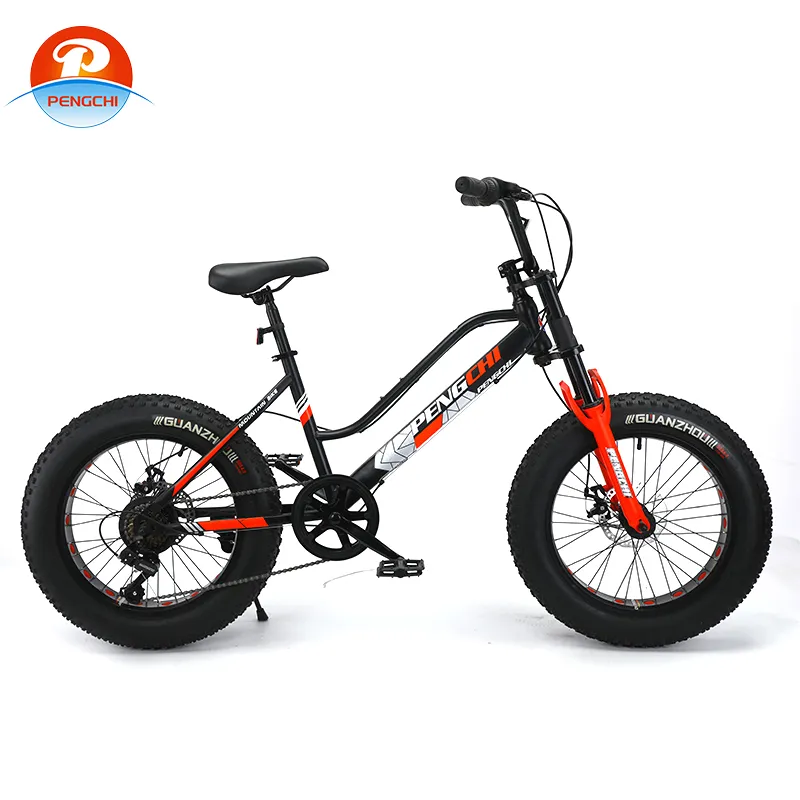
Counterpoint: a fat‑tire snow bike as a different tool
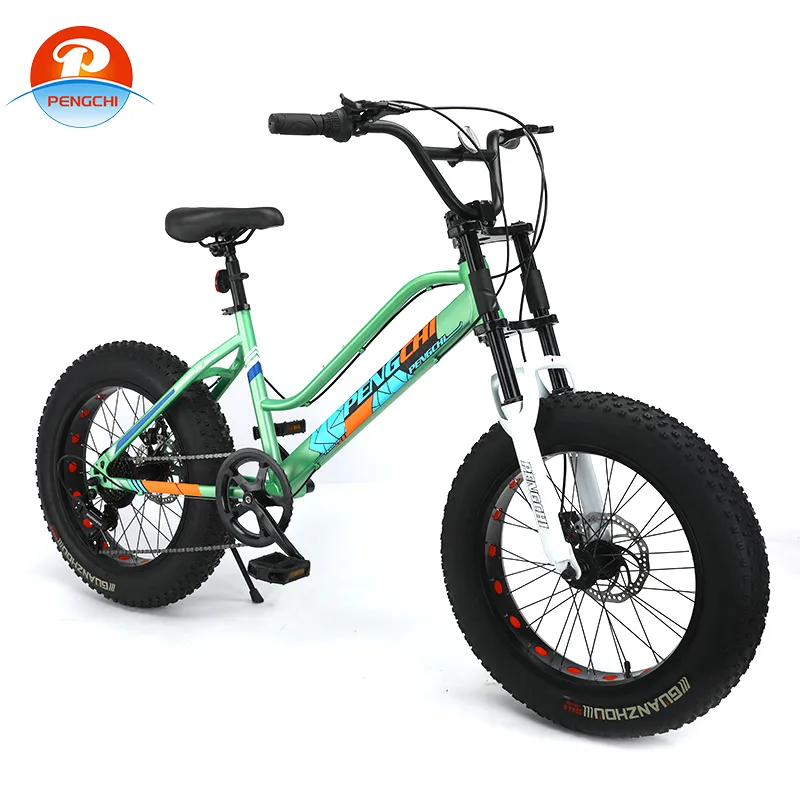
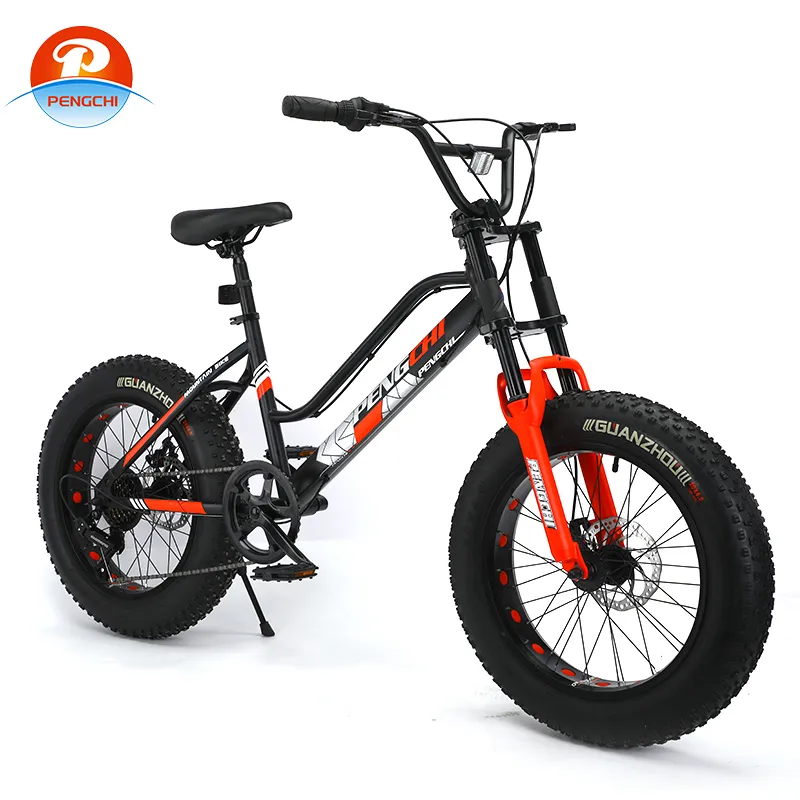
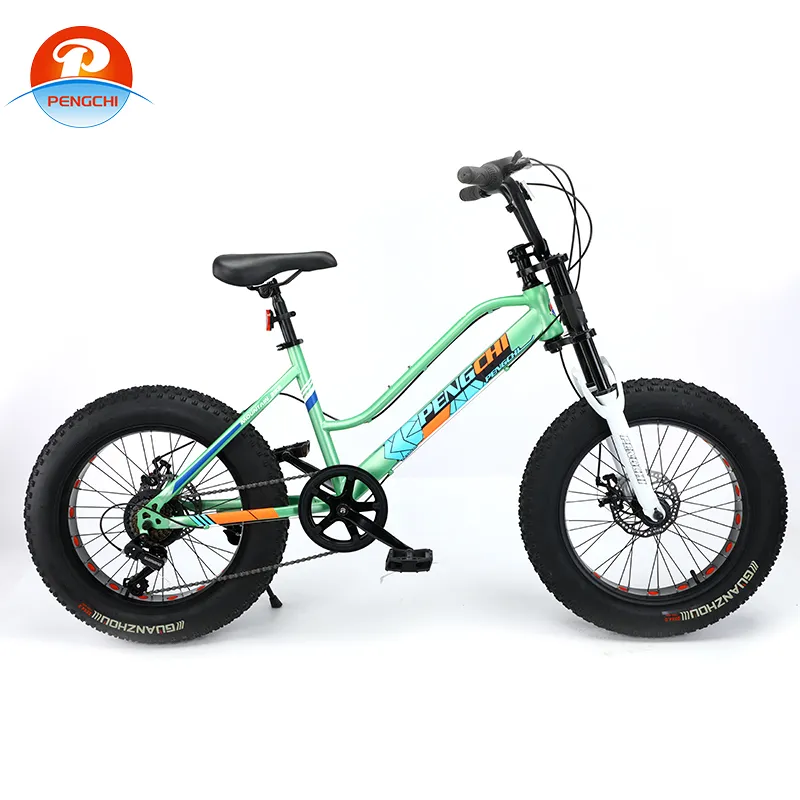
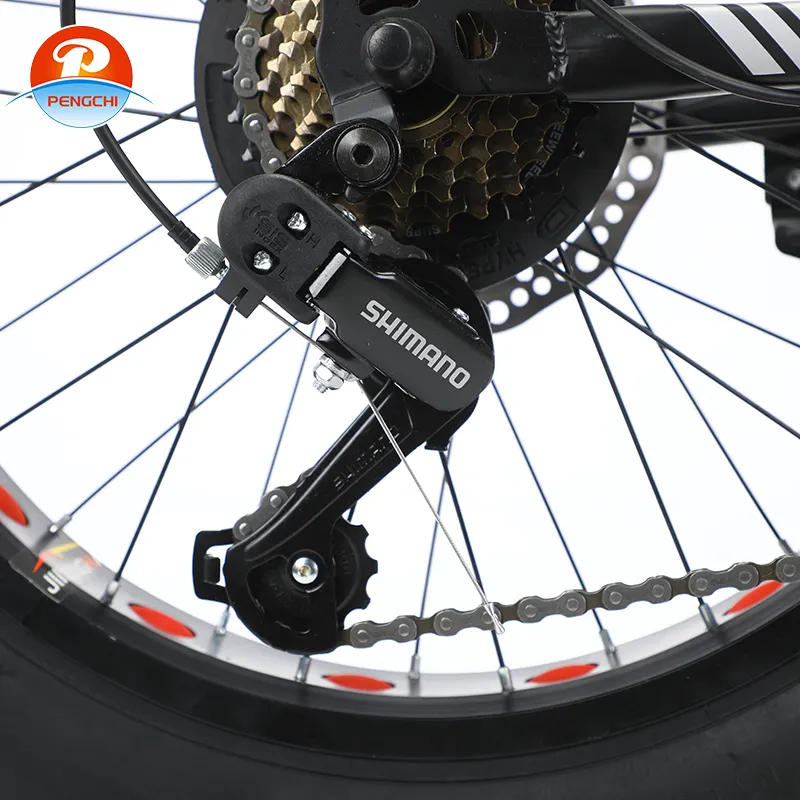
Meanwhile, on the utility/adventure side, Pengchi’s fat‑tire platform (26” wheels, 4.0” rubber) is built around high‑carbon steel with disc brakes—very different animal but interesting for winter, sand, and mixed terrain. I tried a similar setup in northern climes; the float and control were, surprisingly, addicting.
| Pengchi Model | Key Specs (≈) |
|---|---|
| PC-CB-2450, Hebei, China | 26” wheels; 4.0” tires; 21‑speed; steel hardtail; disc brakes; rim: aluminum; net wt: 16.5 kg; origin: Middle Section of Heping Road, Guangzong County, Xingtai City, Hebei Province |
Vendor snapshot (materials, lead times, certifications)
| Vendor | Material focus | Custom geo | Standards noted | Lead time (≈) |
|---|---|---|---|---|
| Pengchi (PC-CB-2450) | Steel, fat‑tire MTB | OEM/wholesale options | Disc brake; request ISO 9001 + ISO 4210 test reports | Contact vendor (often 30–60 days for OEM) |
| Lynskey Performance | Titanium road/gravel | Yes | ISO 4210 testing typical for road frames | ≈ 6–12 weeks (model/season dependent) |
| Moots | Titanium road/gravel | Yes | ISO 4210; UCI race‑legal builds | ≈ 8–12+ weeks |
Notes: Values are indicative; verify current certifications, test data, and delivery before purchase.
Field notes, testing, and what riders report
On fatigue rigs, reputable titanium road bike frames target 100k cycles (vertical/horizontal) under ISO 4210; impact and fork tests follow the same family of standards. Real‑world? One commuter’s Ti frame I serviced survived five salty winters with only fresh bearings and cables. A fat‑bike customer in snowy Gilgit‑Baltistan told me the 4.0” tires “turned slush into rail tracks”—totally different joy, same idea: pick the tool for the job.
Bottom line
If you value long service life, stable handling, and low maintenance, a titanium road bike is still a stellar bet. For deep winter or sand, the Pengchi fat‑tire steel build is a pragmatic, budget‑friendly complement. Two bikes, two missions—and that’s perfectly fine.
Citations
-
Ultimate Guide to Choosing a 26 inch folding mountain bike
NewsApr.16,2026
-
Ultimate Guide to Choosing a 3 fold bicycle for Urban Mobility
NewsApr.09,2026
-
Discover the Benefits of a Versatile 3 Speed Folding Bike for Urban Commuting
NewsApr.07,2026
-
Explore the Versatility of the 26 Inch Folding Mountain Bike for All Terrains
NewsApr.04,2026
-
Comprehensive Guide to 360 Folding Bike Price and Finding the Best Option
NewsMar.31,2026
-
Find the Perfect Cheap Fold Up Bike for Your Commute and Travel
NewsMar.28,2026