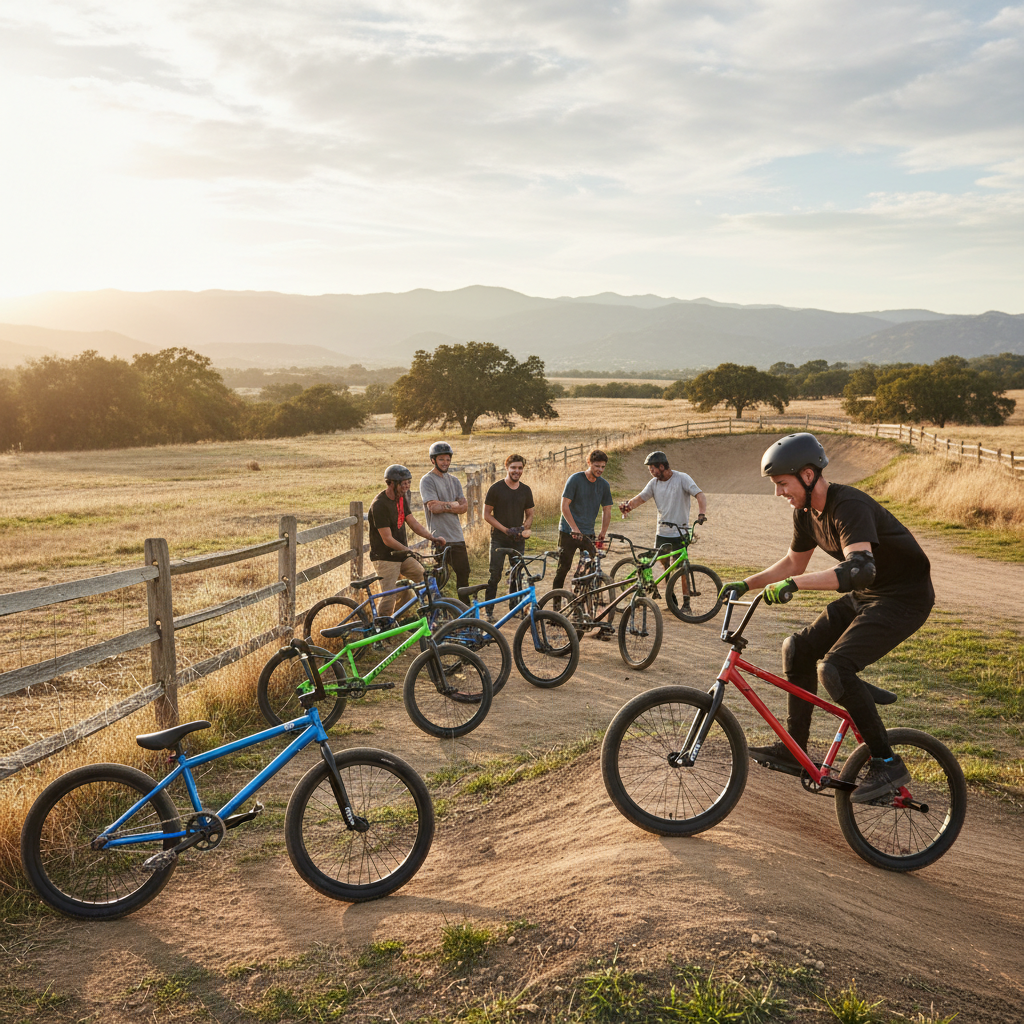
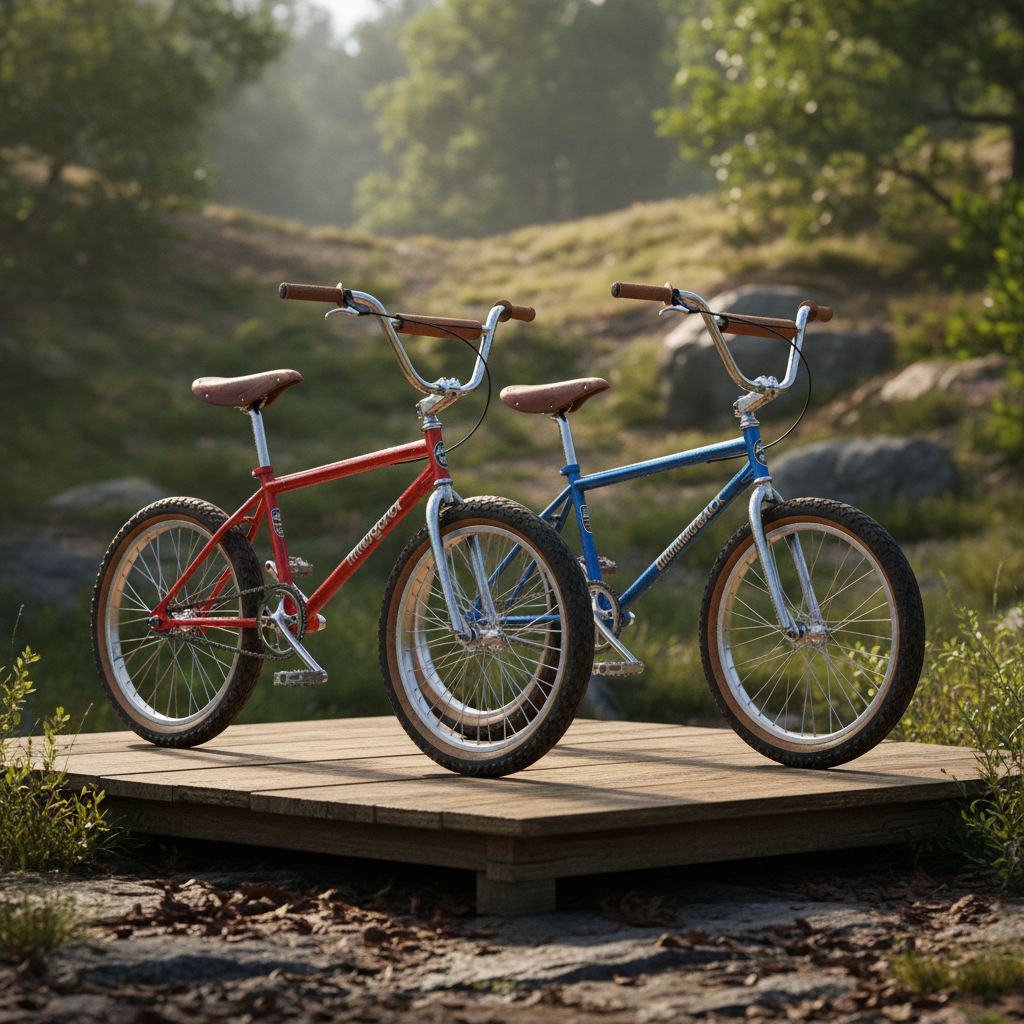
The global landscape of youth cycling has evolved significantly, with bmx bike companies playing a pivotal role in blending athletic performance with recreational adventure. As urban environments integrate more skate parks and off-road trails, the demand for specialized, durable frames has surged, pushing manufacturers to innovate in metallurgy and ergonomic design. Understanding the intricacies of these companies allows consumers and distributors to identify the balance between professional-grade specs and child-friendly safety.
From a manufacturing perspective, the industry is shifting toward lightweight yet robust materials, such as magnesium alloys, to ensure that young riders can maneuver their bikes without being hindered by excessive weight. The competition among leading bmx bike companies has accelerated the adoption of high-precision components, such as SHIMANO transmission systems and dual disc brakes, which were once reserved exclusively for adult professional bikes.
Ultimately, the value provided by top-tier bmx bike companies extends beyond the hardware itself; it is about fostering a culture of exploration and physical activity for the next generation. By analyzing the production standards and material choices of these manufacturers, we can see a clear trend toward enhancing the "ride quality" and safety profiles of children's mountain and BMX-style bicycles globally.
The Industry Standard for BMX Bike Companies
When evaluating the standards set by leading bmx bike companies, the primary focus is always the intersection of structural integrity and weight. A professional manufacturer, like Hebei Pengchi Children's Toys Co., Ltd., focuses on the "Hard Frame" architecture for children's mountain bikes to ensure that the bike can withstand the rigors of off-road trails while remaining manageable for a child to steer.
Furthermore, the industry standard now dictates a move toward integrated suspension systems. By employing iron shock-absorbing front forks, companies can mitigate the impact of rugged paths, which is essential for protecting the rider's joints and improving the overall comfort of the exploration experience.
Material Engineering in Modern Youth Bicycles
The transition from heavy steel frames to magnesium alloy represents a significant leap in the engineering capabilities of bmx bike companies. Magnesium alloy offers a superior strength-to-weight ratio, meaning the bike is less likely to bend under pressure but doesn't require immense effort from the child to accelerate or climb slopes.
In addition to the frame, the use of aluminum alloy for seat tubes and 36H spoke wheels ensures that the bicycle remains corrosion-resistant and durable. This focus on high-grade alloys prevents the common issue of frame fatigue, which is often a failure point in cheaper, mass-produced alternatives.
Complementing these metals is the application of gold-stamped paint and high-quality PU seats. While aesthetics are important for marketing, the choice of materials like PU for seats and PVC for pedals is a calculated decision to provide grip and comfort, ensuring that the child stays securely positioned during high-energy rides.
Performance Components and Riding Control
One of the most critical differentiators among bmx bike companies is the integration of professional transmission systems. For instance, the use of a 7-speed SHIMANO TZ200 rotating handlebar transmission allows young riders to adjust their gear ratio seamlessly, making steep inclines manageable and flat paths faster.
Braking power is another area where bmx bike companies must prioritize safety. The implementation of front and rear double disc brakes provides a responsive and reliable stopping mechanism, which is far superior to traditional rim brakes when navigating wet or muddy terrains.
Finally, the choice of tires defines the bike's capability. Utilizing WANDA KING TIRES (202.35 inches) ensures exceptional grip and stability. This wide footprint is essential for maintaining balance on rocky paths, providing the "bite" necessary for confident off-road maneuvering.
Global Distribution and Manufacturing Models
For bmx bike companies, the method of shipping is just as important as the method of production. To optimize shipping costs and logistics, manufacturers offer various assembly levels: SKD 85% (where wheels and pedals are separate), SKD 95% (pre-installed wheels for easier testing), and CKD (Complete Knock-Down) for those who prefer total assembly control.
This flexibility allows international distributors to reduce container space and minimize the risk of damage during transit, ensuring that the product arrives in pristine condition regardless of the distance from the factory in Hebei, China.
Operational Efficiency Ratings for BMX Bike Companies
Safety Protocols for Young Adventurers
Safety is the cornerstone of any reputable bmx bike companies operation. Beyond the disc brakes, the use of a magnesium alloy "split frame" design is intended to increase control, reducing the likelihood of accidents by providing a more stable center of gravity for the rider.
Additionally, the load capacity of 120kg ensures that the frame is over-engineered for the typical weight of a child, providing a massive safety margin that prevents structural failure even during the most aggressive off-road maneuvers or accidental impacts.
Customization Trends in the Bicycle Market
The modern market demands personalization, and leading bmx bike companies have responded by offering highly customized OEM services. From bespoke gold-stamped paint colors to customized logos and unique packaging designs, manufacturers now act as partners to brands rather than just suppliers.
This shift is driven by a professional design team—often including international designers—who can interpret market-specific needs. Whether it is adjusting the geometry for a specific region's terrain or modifying the color palette to match a brand's identity, customization is now a core competency.
Furthermore, the ability to mix different models within a single container allows smaller retailers to diversify their product offerings without the risk of overstocking a single model, effectively democratizing access to high-quality youth bicycles.
Comparative Analysis of Bicycle Specifications
To understand the value proposition of professional bmx bike companies, one must look at the specific technical parameters. A 20-inch frame paired with 202.35 inch tires provides the optimal balance of agility and stability for children, ensuring they can handle both smooth pavement and rocky trails.
The combination of a steel fork for shock absorption and a magnesium alloy frame for weight reduction creates a "hybrid" feel that is rare in entry-level bikes. This ensures that the bike doesn't just look the part but performs under the actual pressures of outdoor exploration.
By analyzing the gross weight (15.3kg) against the load capacity (120kg), it becomes evident that the engineering priority is durability. This ratio is a hallmark of quality in the industry, signaling a product built for longevity rather than planned obsolescence.
Technical Specification Analysis of Youth Mountain & BMX-style Bikes
| Component |
Material/Spec |
Performance Benefit |
Durability Score |
| Frame |
Magnesium Alloy |
Lightweight & Rigid |
9/10 |
| Front Fork |
Steel (Shock Absorb) |
Impact Reduction |
8/10 |
| Transmission |
7-Speed SHIMANO |
Terrain Versatility |
10/10 |
| Braking |
Double Disc Brakes |
Responsive Stopping |
9/10 |
| Tires |
WANDA KING 202.35 |
High Traction |
8/10 |
| Wheels |
Aluminum Alloy 36H |
Structural Stability |
9/10 |
FAQS
Leading companies are increasingly using magnesium alloys because they offer a superior balance of weight and strength compared to traditional steel. This allows the bike to be lightweight enough for children to handle while remaining durable enough for off-road exploration and rugged use.
A 7-speed rotating handlebar transmission system enables children to adjust the effort required to pedal. Low gears make climbing steep slopes easier, while higher gears allow for faster speeds on flat pavement, teaching them basic gear management and increasing their riding range.
Yes, especially for mountain or BMX-style bikes. Double disc brakes provide significantly more reliable and responsive braking power than rim brakes, particularly in wet or muddy conditions, ensuring the rider has confident control regardless of the environment.
SKD 85% (Semi-Knocked Down) means the bike is mostly assembled, with only the front wheel, saddle, and pedals packed separately. CKD (Completely Knocked Down) means the bike is shipped as individual parts for full assembly at the destination, maximizing container space and reducing shipping costs.
Most professional manufacturers offer extensive OEM services. You can typically customize the paint color (including specialized gold-stamping), logos, packaging, and manual to align with your brand's specific market requirements.
A size of 202.35 inches, such as the WANDA KING tires, is ideal. The width (2.35) provides a larger contact patch with the ground, offering the stability and grip necessary for navigating rocky paths and uneven terrain safely.
Conclusion
In summary, the success of modern bmx bike companies lies in their ability to integrate high-performance adult cycling technology—such as magnesium alloy frames, SHIMANO transmissions, and double disc brakes—into a safe, child-sized package. By focusing on the synergy between lightweight materials and robust safety specifications, these companies provide a product that encourages outdoor activity and physical development in children.
Looking forward, the industry will likely continue to embrace further customization and sustainable material innovations. For businesses and consumers alike, partnering with a manufacturer that prioritizes both engineering precision and logistical flexibility is the key to success in the competitive youth bicycle market. Explore the possibilities of high-quality youth biking by visiting our website: www.pengchibike.com.