Selecting the right partner for bicycle procurement requires more than just comparing price lists; it demands an understanding of the manufacturing capabilities that ensure rider safety and product longevity. For businesses scaling their inventory, the ability to source durable, high-performance frames and precise transmission systems is the primary differentiator between a high-return product line and one burdened by warranty claims.
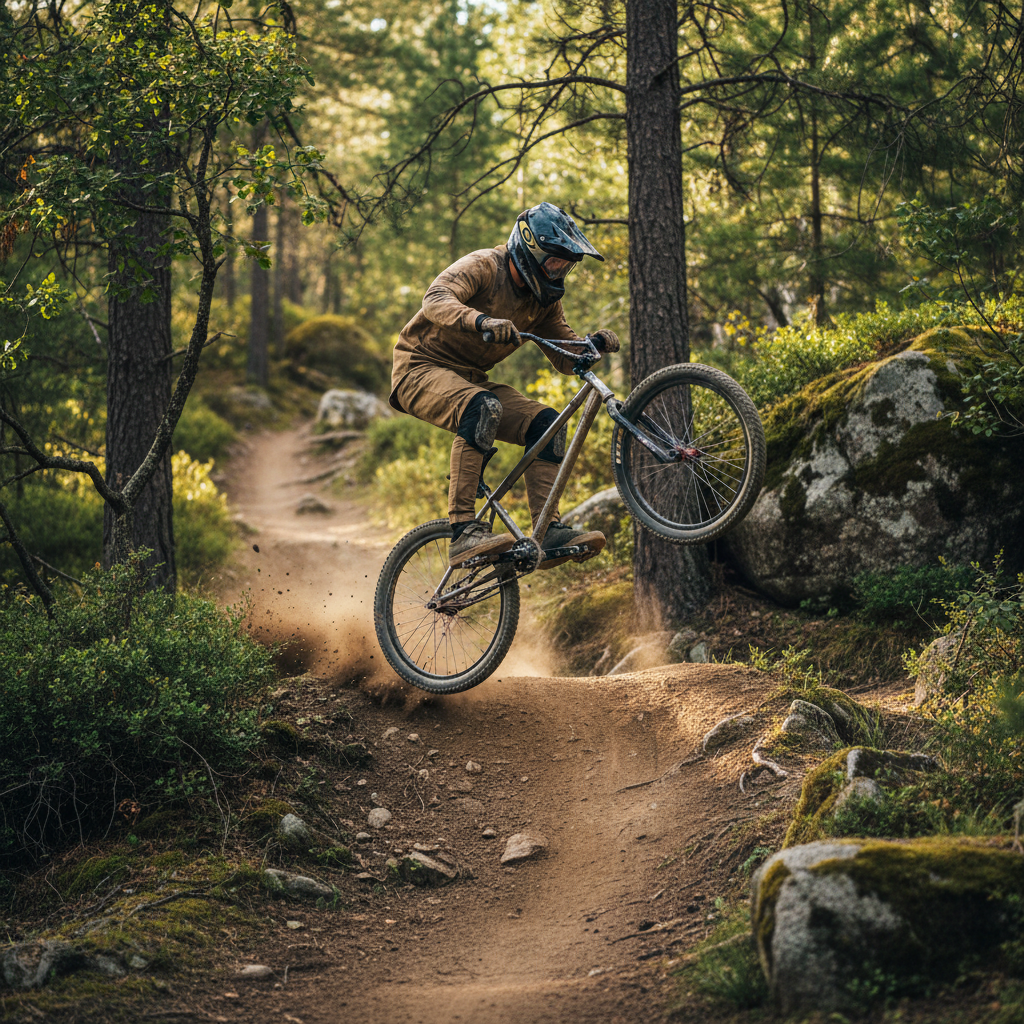
The global shift toward outdoor adventure and youth fitness has placed immense pressure on mountain bike suppliers to balance industrial durability with ergonomic designs. From high-carbon steel frames to magnesium alloy wheels, the technical specifications of a bike determine its viability across various terrains and user demographics.
This analysis explores the critical technical benchmarks, procurement frameworks, and manufacturing standards that professional buyers must evaluate when selecting a long-term production partner in the bicycle industry.


The integrity of any off-road bicycle begins with the frame material. High-carbon steel remains a preferred choice for youth and entry-level mountain bikes due to its exceptional durability and resilience. Unlike lightweight alloys that may fatigue under repeated stress, a well-constructed steel frame provides the rigidity necessary for navigating rugged terrains while absorbing vibrations that could otherwise lead to rider fatigue.
Beyond the material, the geometry must be tailored to the rider's proportions. For example, a 20-inch model requires a specific balance between the top tube length and seat height to ensure the rider can maintain a stable center of gravity. This structural synergy is what allows young adventurers to explore trails with confidence and stability.
Precision in gear shifting and braking is where professional manufacturing separates itself from generic assembly. A 21-speed system, when paired with an efficient transmission like the imitation SHIMANO EF51, allows the rider to adapt to varying gradients effortlessly. The key is the alignment of the derailleur and the tension of the cables, which ensure that gear changes are swift and precise even under load.
Wheel composition also plays a pivotal role in handling. The integration of magnesium alloy three-blade wheels offers a significant advantage in ride stability and weight distribution compared to traditional spoked wheels. When coupled with wide-tread tires—such as the WANDA KING 202.35—the result is superior grip and traction on loose surfaces, which is essential for maintaining control during descent.
Finally, the suspension system, specifically the iron shock-absorbing front fork, is critical for mitigating the impact of bumpy trails. A functional fork does not just provide comfort; it ensures that the front tire maintains constant contact with the ground, which is the fundamental requirement for effective steering and braking in mountain biking environments.
Safety in children's bicycles is not a single feature but a comprehensive system of redundancies. The most critical of these is the braking system. While rim brakes are common, the adoption of front and rear double disc brakes provides a level of stopping power that is consistent regardless of weather conditions, which is a non-negotiable requirement for off-road safety.
Reliable stopping power and structural resilience are the two primary pillars of youth bicycle safety; without the synergy of reinforced steel frames and dual disc brakes, a bike cannot be classified as a genuine mountain-capable vehicle.
Additional safety considerations include the choice of contact points. PVC pedals must provide a secure, non-slip foothold to prevent foot slippage during steep climbs, while a PU surface seat ensures the rider remains comfortable and positioned correctly, reducing the risk of sliding off the saddle during abrupt movements.
For international buyers, the method of packaging and shipping significantly impacts the landed cost and assembly efficiency. Industry standards typically offer three levels of assembly: SKD 85%, where major components like wheels and pedals are packed separately; SKD 95%, which provides a more pre-assembled unit for quicker testing; and CKD (Completely Knocked Down), which offers the highest density for shipping but requires full assembly at the destination.
Managing these options allows distributors to optimize container space and labor costs. A supplier that can flexibly switch between these modes while maintaining strict quality control—as seen in the production lines of Hebei Pengchi—provides a strategic advantage in supply chain management.
When distributing mountain bikes, the target market determines the necessary configuration. For example, a retailer focusing on the "adventure" segment for children will prioritize bikes with 21-speed systems and magnesium wheels, as these features appeal to parents looking for a "grown-up" experience for their children. In contrast, urban distribution might prioritize folding bikes or city bikes for their convenience in compact living environments.
A typical industrial setting for a distributor involves managing mixed containers. The ability to combine different models—such as BMX bikes, children's mountain bikes, and folding bikes—into a single shipment allows for a diversified product offering without increasing the number of shipments, thereby reducing the overall carbon footprint and logistics overhead.
The bicycle industry is moving away from generic mass production toward high-degree customization. Modern buyers now demand specific colors, customized logos, and tailored packaging to build their own brand equity. This shift requires manufacturers to have an integrated production chain—including in-house paint departments and frame production—to ensure that customized orders do not lead to prohibitive lead times or quality variance.
Furthermore, there is an increasing demand for "hybrid" capabilities. Manufacturers are now integrating elements of professional adult mountain bikes into children's models, such as the use of high-carbon steel and disc brakes. This trend reflects a growing consumer awareness of safety and performance, pushing mountain bike suppliers to innovate their design concepts.
Looking ahead, the integration of electric components into youth bikes and the use of more sustainable materials in frame manufacturing are likely to be the next major disruptions. Companies that invest in R&D today to master these configurations will be the ones to dominate the next decade of the global market.
Selecting a supplier is a process of trade-offs between cost, customization, and quality. A factory that offers 80% customized order capability, supported by a professional design team, is generally more valuable to a growing brand than a low-cost supplier with rigid production lines. The ability to modify the design based on specific regional market research is a critical advantage.
Quality control should be evaluated based on the consistency of the components. For instance, the use of an imitation SHIMANO EF51 transmission is an acceptable cost-saving measure provided the precision of the gear shifts is maintained through rigorous factory testing. The presence of a complete production chain allows for better oversight of these critical components.
The following matrix provides a framework for evaluating potential partners based on common commercial requirements in the bicycle manufacturing sector.
| Evaluation Factor | Low-Tier Supplier | Mid-Tier Supplier | High-Tier Partner |
|---|---|---|---|
| Customization Depth | Logo only | Color & Logo | Full Frame & Component Design |
| Production Chain | Assembly only | Partial In-house | Full Integrated (Paint/Frame/Pack) |
| Logistics Flexibility | Fixed Packaging | SKD 85% only | SKD 85%/95% and CKD options |
| Quality Oversight | Random Sampling | Batch Testing | Full Component Traceability |
| R&D Capability | Catalog-based | Minor Modifications | Market-driven New Product Dev |
| Lead Time Stability | Highly Variable | Standard (45-60 days) | Optimized Pipeline (Fixed windows) |
For children's mountain bikes, high-carbon steel is often the optimal choice because it offers a superior balance of durability and cost-effectiveness. Steel frames can withstand the rough handling typical of young riders and provide better impact resilience than low-grade aluminum. For those seeking a balance of style and stability, magnesium alloy is often used in wheels to reduce rotational weight while maintaining a rigid structure.
A 21-speed system provides a versatile range of gear ratios, allowing young riders to maintain a consistent pedaling cadence regardless of the terrain. This is particularly important when conquering hills or transitioning from flat paths to rugged trails. By reducing the physical strain on the rider, it encourages longer rides and helps them develop a better understanding of gear management and mechanical efficiency.
SKD 85% (Semi-Knocked Down) typically means that the front wheels, saddle, and pedals are packed separately to maximize container space and minimize shipping damage. SKD 95% goes a step further by pre-installing the front wheel and saddle. While SKD 95% increases the volume per unit slightly, it allows the buyer to perform quality and performance tests more quickly upon arrival, as fewer components require assembly.
Double disc brakes provide consistent stopping power regardless of environmental conditions. Rim brakes can lose effectiveness when the rims become wet or muddy, which is common in mountain biking. Disc brakes operate independently of the wheel rim, ensuring that the rider has reliable control and stopping capacity on steep descents or slippery surfaces, which is a critical safety requirement for youth riders.
Yes, professional manufacturers with integrated production chains can provide high levels of customization. This typically includes modifications to the paint colors, customized logo placement on the frame, and tailored packaging designs. To achieve this, it is best to work with a supplier that has an in-house design team capable of translating market requirements into technical specifications for the production line.
A typical lead time for a fully customized bulk order is approximately 45 days. This window accounts for the design finalization, procurement of specific materials, the painting process (which requires curing time), and final assembly and quality checks. However, this timeline can vary based on the complexity of the customization and the current production capacity of the factory.
The selection of a production partner in the bicycle industry is a strategic decision that impacts brand reputation and long-term profitability. By prioritizing structural integrity—through materials like high-carbon steel—and safety features like double disc brakes, businesses can ensure they provide a product that meets the rigorous demands of off-road riding.
Ultimately, the most successful distributors are those who leverage the full capabilities of their mountain bike suppliers, from deep customization and flexible SKD shipping options to integrated quality control. In a market driven by adventure and safety, the synergy between design and manufacturing is the only sustainable competitive advantage.