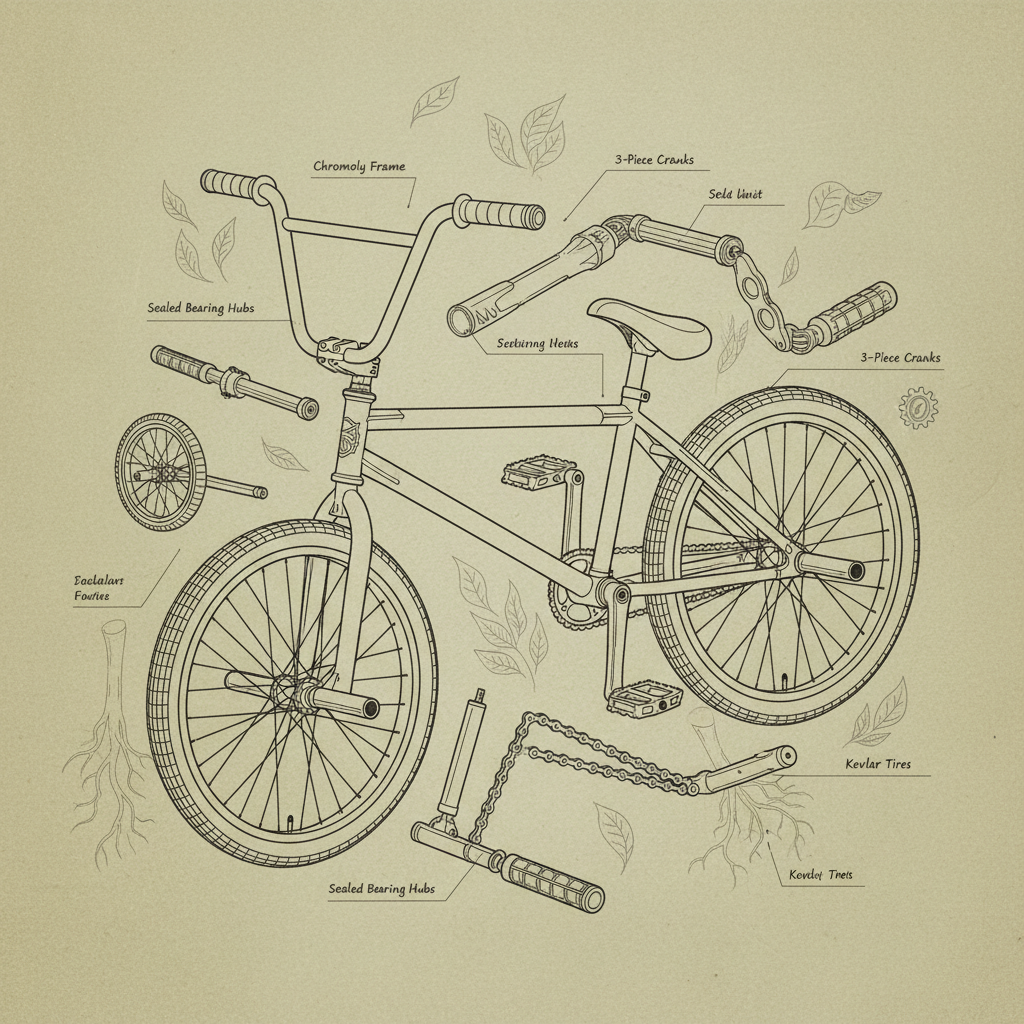
When evaluating bmx cycle price, buyers must look beyond the initial sticker cost and analyze the structural integrity and component specifications that dictate long-term value. In the specialized sector of bicycle manufacturing, the price of a BMX bike is fundamentally driven by the balance between weight, durability, and the quality of materials used in the frame and wheelsets.
Many procurement managers and riders struggle to determine if a lower price point indicates a compromise in safety or if a premium price reflects genuine performance gains. The core challenge lies in distinguishing between "toy" grade bicycles and professional-grade equipment capable of withstanding high-impact aerial stunts and street grinding.
This analysis provides a comprehensive framework for understanding the cost drivers of BMX cycles, evaluating the impact of high-carbon steel versus alloy components, and establishing a practical decision matrix for purchasing high-performance bikes from specialized manufacturers.

Core Cost Drivers in BMX Manufacturing

The bmx cycle price is primarily determined by the manufacturing process and the grade of raw materials. For instance, a bike featuring a high carbon steel frame requires specific heat treatment and welding precision to ensure the chassis does not warp under the stress of jumping or skidding. The integration of precision-engineered parts, such as 360-degree rotating handlebars, adds to the mechanical complexity and the final cost of the unit.
Furthermore, the manufacturing scale plays a role. Companies like Hebei Pengchi Children's Toys Co., Ltd. utilize integrated production chains—including dedicated paint and frame departments—to optimize costs while maintaining strict quality control, allowing for high levels of customization without exponential price increases.
Impact of Frame Materials on Pricing
Material selection is the single most influential factor in the cost of a BMX bike. High carbon steel is favored for its exceptional resilience and strength-to-weight ratio in entry-to-mid-level professional bikes. While more expensive than basic mild steel, it provides the necessary rigidity for "hard frame" (non-rear damper) configurations, which are standard for street applications.
The cost increases when manufacturers move toward higher-grade alloys or specialized coatings. However, the value is found in the longevity of the frame; a high-carbon steel frame prevents premature fatigue, reducing the total cost of ownership by extending the replacement cycle for the rider.
Component Specification and Value Analysis
Beyond the frame, the bmx cycle price is shaped by the quality of the drivetrain and braking systems. A robust single-speed mechanism is preferred for its low maintenance and reliability. When evaluating value, buyers should look for aluminum alloy rims and pedals, which reduce the overall gross weight (often aiming for a net weight around 15.5KG) without sacrificing structural strength.
Braking efficiency also carries a price premium. The use of alloy V-brakes provides precise stopping power, which is critical for safety during stunts. Additionally, specialized features like 140H color spoke wheels combine aesthetic appeal with added structural rigidity, contributing to a higher perceived and actual value.
Relative Cost Distribution Framework
To understand where the budget goes in a professional BMX build, we can analyze a normalized cost distribution. In this conceptual model, we assign relative weight to different assembly stages to illustrate which components drive the most significant price movements.
This illustrative framework shows that the frame and wheelset typically account for the largest portion of the manufacturing cost. The relative score for "Frame & Fork" is the highest because these components must meet the strictest safety and durability standards to handle impact loads up to 120kg.
Identifying Overpriced vs. High-Value Options
A high bmx cycle price does not always equate to higher quality. Value is found when the specifications match the application. For street riding, a high-carbon steel frame with aluminum alloy rims represents high value. Conversely, paying a premium for lightweight components that lack the durability for "grinding" or "jumping" is an inefficient allocation of budget.
Buyers should verify the actual weights. A bike with a gross weight of 17KG and a net weight of 15.5KG indicates a lean build that hasn't compromised on the thickness of the steel tubing, which is a hallmark of a balanced, high-value product.
Procurement Risks and Hidden Costs
When sourcing BMX cycles in bulk, the total landed cost is often higher than the unit price. Shipping methods—such as SKD 85% (semi-knocked down), SKD 95%, or CKD (completely knocked down)—significantly impact freight costs and assembly labor. SKD 85% is the standard for balancing shipping volume and ease of setup, where front wheels and pedals are packed separately.
Another hidden cost is the lack of customization. Working with a manufacturer that offers highly customized services for logos, colors, and packaging helps brands avoid the cost of rebranding generic products, thereby improving the overall ROI of the procurement cycle.
BMX Configuration Decision Matrix
Selecting the right BMX configuration requires matching the technical specifications to the intended user level. The following matrix compares different approach types to help buyers determine the optimal investment based on performance needs and budget constraints.
| Build Type | Primary Material | Best Use Case | Cost Impact |
|---|---|---|---|
| Entry Level | Mild Steel | Casual Riding | Low |
| Street Standard | High Carbon Steel | Urban Tricks | Moderate |
| Pro Performance | Chromoly Steel | Competition | High |
| Custom Build | Mixed Alloy/Steel | Specific Needs | Variable |
| Youth BMX | Reinforced Steel | Learning/Kids | Low-Moderate |
| Heavy Duty | Thick-Wall Steel | High Impact | Moderate-High |
As indicated in the matrix, the "Street Standard" configuration, utilizing high carbon steel and aluminum rims, offers the most balanced ratio of performance to bmx cycle price for the majority of urban riders.
Frequently Asked Questions
The primary drivers are frame material (e.g., high carbon steel), component quality (aluminum alloy rims vs. steel), and manufacturing precision, especially in the welding and heat treatment of the frame.
Yes, for anyone performing tricks or jumping. High carbon steel provides the necessary strength to prevent frame failure under high-stress loads, which is critical for rider safety and product longevity.
Shipping options like SKD 85%, SKD 95%, or CKD change the volume of the packaging. CKD minimizes shipping costs per unit but increases the local assembly labor costs for the buyer.
Look for aluminum alloy rims for a balance of weight and durability, combined with reinforced spokes (such as 140H color spokes) to ensure the wheels remain true under impact.
Yes, when working with direct manufacturers who have integrated paint and design departments, customizations for logos, colors, and packaging can be integrated into the production flow efficiently.
A net weight of approximately 15.5KG for a high-carbon steel frame bike is considered optimal, providing a balance between agility and the structural mass required for durability.
Conclusion
Understanding the bmx cycle price requires a technical analysis of material grades and component synergy. The most sustainable value is found in bicycles that pair high-carbon steel frames with aluminum alloy accessories, ensuring the bike can withstand professional use without unnecessary weight. For procurement, the choice between SKD and CKD shipping, combined with direct manufacturer customization, remains the most effective way to manage total expenditure.
Buyers and distributors seeking high-performance BMX solutions can review detailed specifications and customization options at www.pengchibike.com to align their procurement strategy with actual market demand.