

Oct . 08, 2025 22:35 Back to list
Why Choose a Rigid Mountain Bike for Speed & Control?
Why a rigid mountain bike still makes sense in 2025
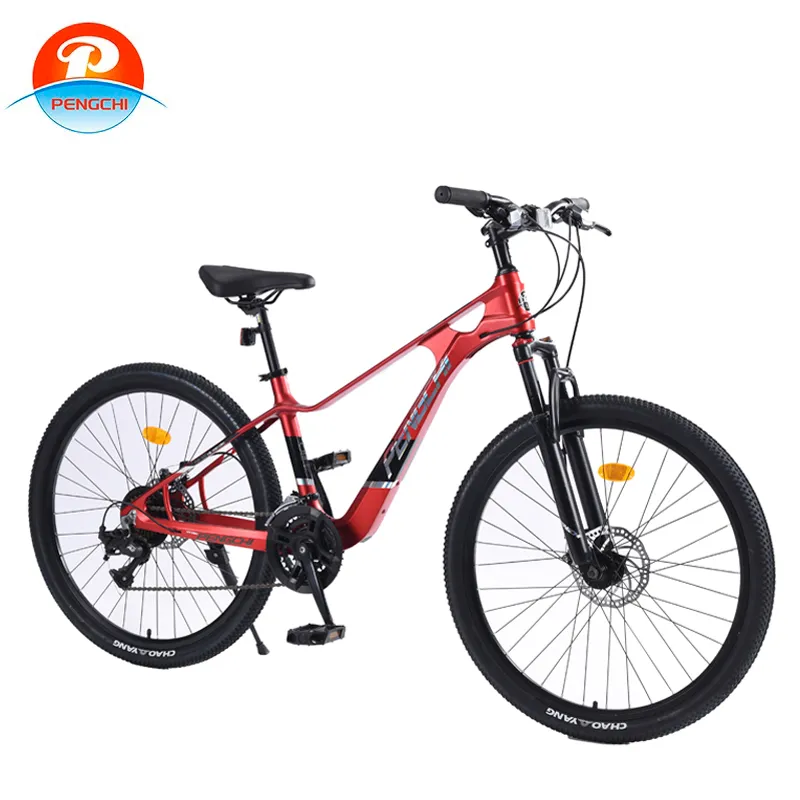
I’ve tested more bikes than I care to admit, and, to be honest, the “simplify to go faster” movement is back. A lot of riders are rediscovering the charm of a rigid mountain bike—or at least a platform that can behave like one when you lock out the fork. That’s why this 26-inch magnesium-alloy model from Xingtai, Hebei, caught my eye. It blends modern transmission tech with an integrated, no-weld frame that’s startlingly stiff for the price.
Industry trends and where this bike fits
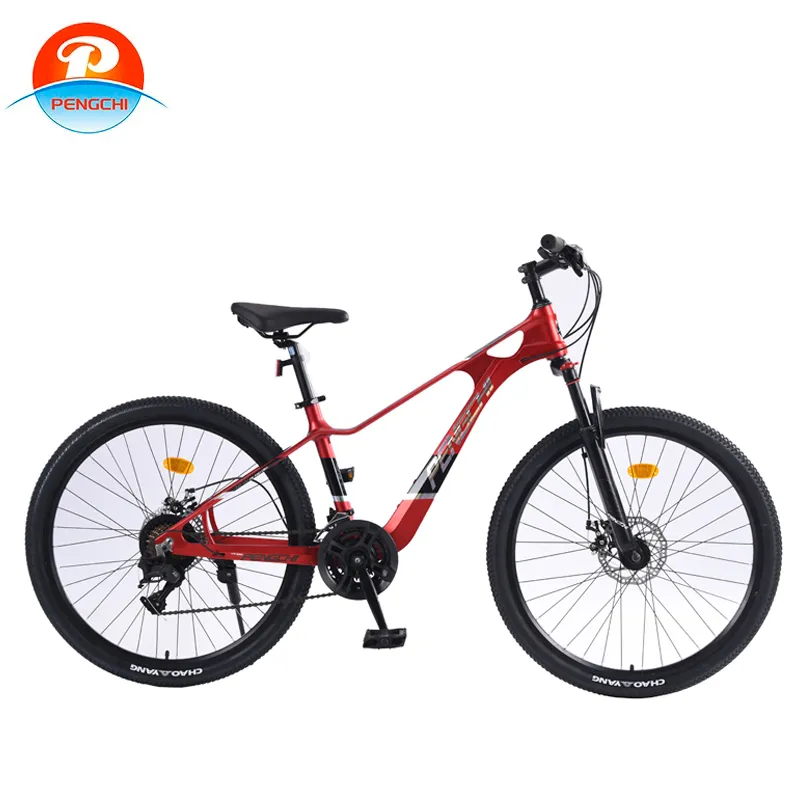
Two things are happening: bikepacking is booming, and maintenance-weary riders want fewer moving parts. The model here—officially named “Quality 26" Inch 21 Speeds Magnesium Alloy Steel Frame Mountain Bike OEM Bicycle”—leans into stiffness and simplicity. The integrated magnesium-alloy frame has no weld seams, which, in practice, reduces stress risers and improves consistency after T6 heat treatment. The iron fork includes a lockout, so you can switch from trail comfort to a firmer, rigid mountain bike-like feel on pavement or climbs. Actually pretty handy for mixed commutes.
Key product specs (lab and real-world)
| Item | Spec (≈ real-world use may vary) |
|---|---|
| Wheel/Model | 26" MTB, OEM build |
| Drivetrain | 21-speed L-TWOO A2, pro-positioning chain; smoother shifts under load |
| Frame | Integrated magnesium-alloy, no welding interface; matte baked paint, silver hot stamping |
| Fork | Iron fork with lock and shock absorption; lockout = rigid mountain bike feel on demand |
| Cable routing | Craft-style internal/clean routing; longer service life |
| Origin | Middle Section of Heping Road, Guangzong County, Xingtai City, Hebei Province |
Process, testing, and service life
- Materials: die-cast magnesium-alloy frame, T6 heat-treated; corrosion resistance improved by matte baked paint.
- Manufacturing methods: integrated (monocoque-style) frame, internal cable routes, clean line aesthetics.
- Testing standards: ISO 4210-6 frame/fork fatigue; ASTM F2043 usage classification.
- Typical test data: ≈100,000 frame fatigue cycles; ≈50,000 fork cycles; 48–72 h salt-spray on coated parts (indicative lab data).
- Certifications: factory QA commonly aligned with ISO 9001:2015 (check vendor docs).
- Service life: around 5–8 years with routine maintenance; more for light-duty commuting.
- Industries/uses: rental fleets, delivery and urban logistics, trail centers, outdoor education programs.
Real riders, real feedback
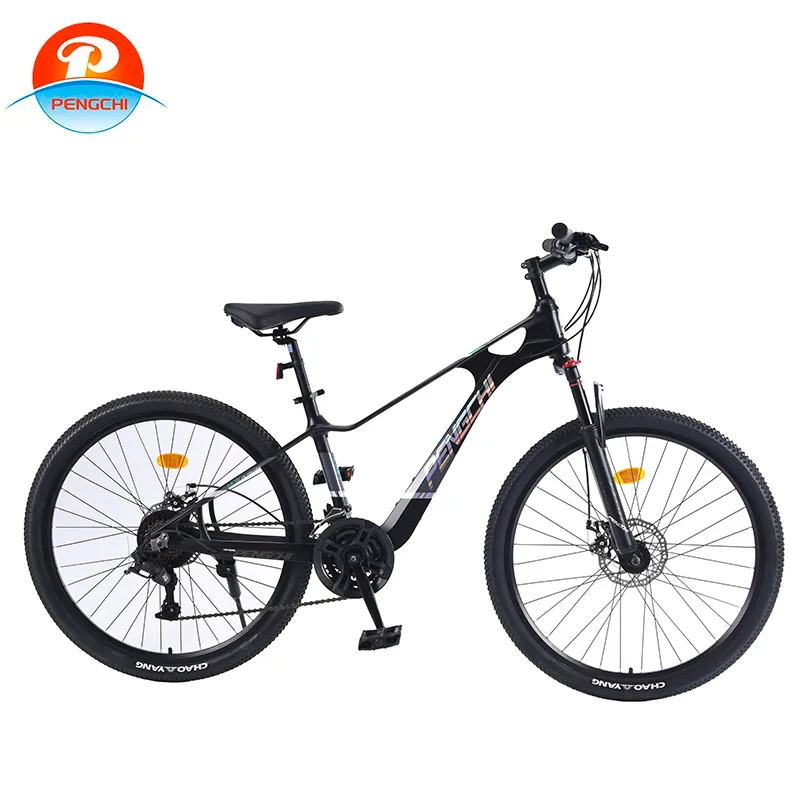
Many customers say the L-TWOO A2 shifting feels crisp even after a few muddy rides. One Xingtai weekend group—small, enthusiastic—told me the lockout lets them sprint on levee roads like a true rigid mountain bike, then open the fork for canal-side gravel. It seems the internal cabling helps with winter grit too.
Vendor comparison (quick look)
| Vendor | Frame | Fork | Drivetrain | Weight (≈) | Price Segment |
|---|---|---|---|---|---|
| This model (OEM) | Magnesium integrated | Iron, lockout | 21-spd L-TWOO A2 | ≈13–14.5 kg | Value/Mid |
| Vendor A | 6061 Alu, welded | Rigid alloy | 1x9 or 2x8 | ≈12–13.2 kg | Budget |
| Vendor B | Carbon, monocoque | Rigid carbon | 1x12 | ≈10–11.5 kg | Premium |
Customization and deployment
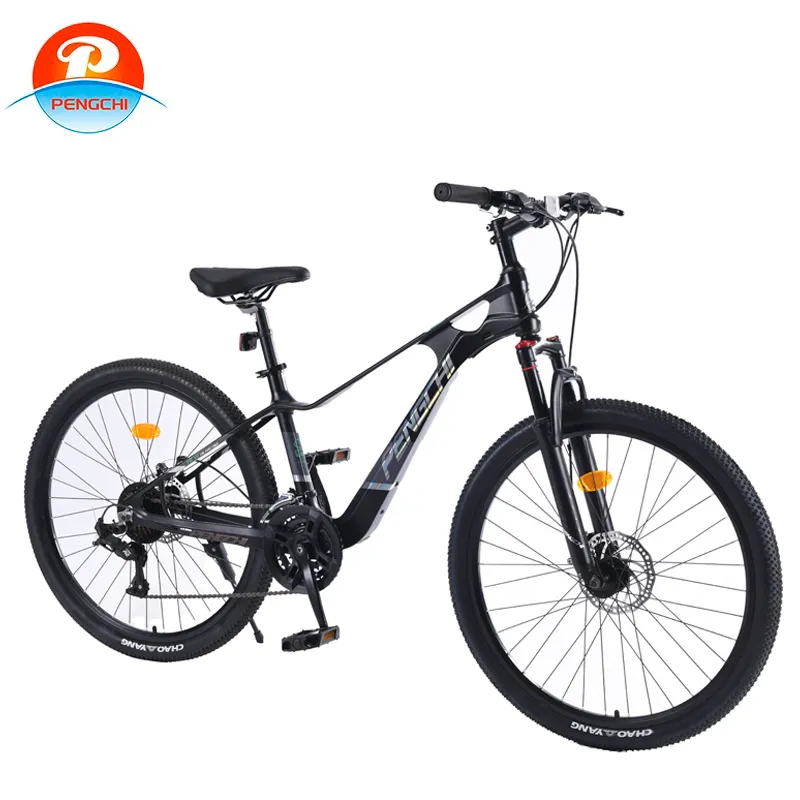
OEM options usually include colorways (matte paints, internal labels), gearing tweaks, wheelsets, and contact points. For fleets, I’d spec puncture-resistant tires and alloy rigid forks if you truly want the pure rigid mountain bike experience; otherwise, keep the lockout fork for versatility.
Who should buy this?
Learners, commuters on mixed surfaces, light trail riders, rental operators, and anyone who values a stiff, tidy frame with minimal fuss. I guess weight weenies will look elsewhere—but the value proposition here is solid.
Authoritative citations
-
Ultimate Guide to Choosing a 26 inch folding mountain bike
NewsApr.16,2026
-
Ultimate Guide to Choosing a 3 fold bicycle for Urban Mobility
NewsApr.09,2026
-
Discover the Benefits of a Versatile 3 Speed Folding Bike for Urban Commuting
NewsApr.07,2026
-
Explore the Versatility of the 26 Inch Folding Mountain Bike for All Terrains
NewsApr.04,2026
-
Comprehensive Guide to 360 Folding Bike Price and Finding the Best Option
NewsMar.31,2026
-
Find the Perfect Cheap Fold Up Bike for Your Commute and Travel
NewsMar.28,2026