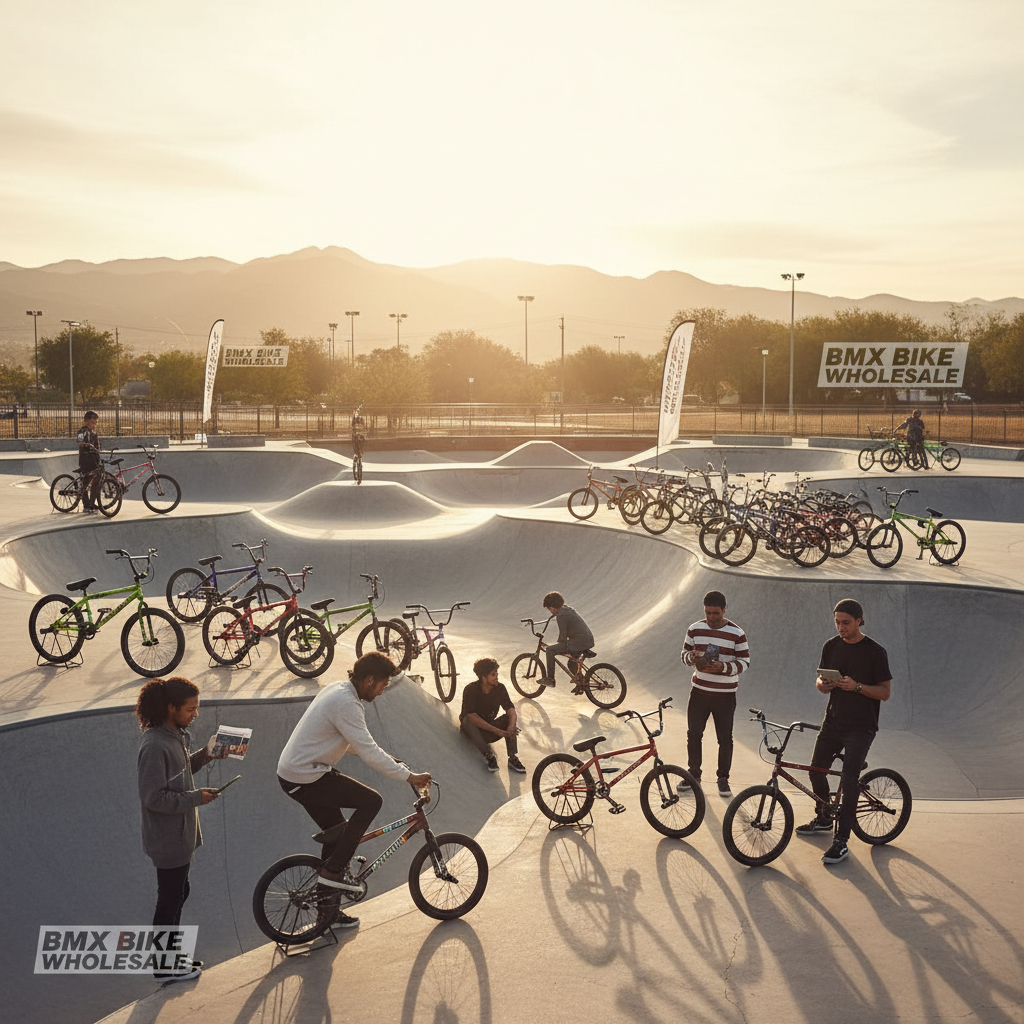
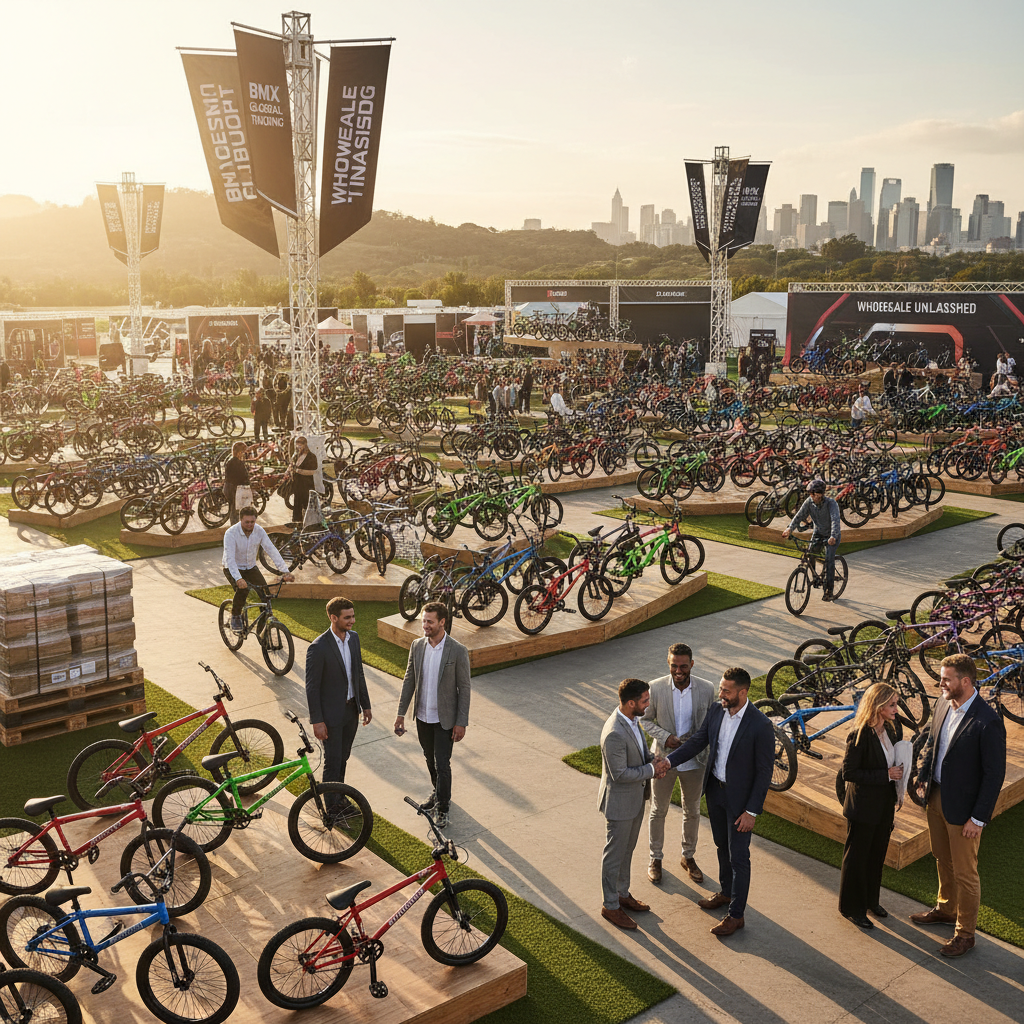
BMX bike wholesale is a crucial component of the global cycling industry, facilitating the distribution of these specialized bikes to retailers, clubs, and enthusiasts worldwide. The demand for bmx bikes continues to grow, fueled by the increasing popularity of freestyle riding, racing, and the bike's overall versatility. Understanding the intricacies of bmx bike wholesale is paramount for businesses aiming to capitalize on this expanding market, optimizing supply chains, and ensuring competitive pricing.
The current landscape of bmx bike wholesale is experiencing rapid evolution, driven by factors like increasing demand for custom builds, advancements in manufacturing technologies, and shifts in consumer preferences. Navigating this complex environment requires a strong grasp of sourcing, logistics, and quality control. Efficient wholesale operations are essential for ensuring a consistent supply of high-quality bmx bikes to meet the needs of diverse customer bases.
Successfully operating within the bmx bike wholesale sector requires not only understanding market trends but also building robust relationships with manufacturers and distributors. Strategic partnerships, combined with efficient logistics and a commitment to customer satisfaction, are key to achieving sustained growth and profitability. This is especially true given the unique requirements of bmx bike components and the demand for specialized expertise.
The Global Significance of BMX Bike Wholesale
The global cycling market, including bmx bikes, is estimated to be worth over $80 billion USD annually (Source: Statista, 2023). A significant portion of this is driven by the demand for specialty bikes like BMX, which relies heavily on efficient wholesale distribution networks. The United Nations Sustainable Development Goals also indirectly benefit from robust cycling infrastructure, as bicycles contribute to reduced carbon emissions and healthier lifestyles. Access to affordable bmx bikes, facilitated by wholesale channels, plays a role in promoting these goals.
Challenges within the industry include fluctuating raw material costs, complex international trade regulations, and maintaining consistent quality control across global supply chains. These factors underscore the importance of strategic bmx bike wholesale operations to mitigate risks and ensure a reliable supply of bikes to meet consumer demands worldwide.
Defining BMX Bike Wholesale
BMX bike wholesale refers to the process of selling bmx bikes and related components in bulk quantities to retailers, bike shops, clubs, and other businesses, rather than directly to individual consumers. This involves sourcing bikes from manufacturers, managing inventory, and distributing them through established distribution channels. Wholesale prices are typically lower than retail prices, allowing retailers to mark up the bikes for profit.
This practice is integral to the modern cycling industry, enabling wider accessibility of bmx bikes to a diverse range of consumers. It also allows specialized bike shops to focus on customer service, bike building, and repairs, rather than large-scale manufacturing and distribution. Effective bmx bike wholesale creates a symbiotic relationship between manufacturers, distributors, and retailers.
The connection to modern industry extends beyond simple distribution. Wholesale operations often include value-added services such as custom bike building, parts sourcing, and marketing support, solidifying their role as essential partners in the success of the broader bmx community.
Core Components of Effective Wholesale
A successful bmx bike wholesale operation relies on several key components. First, a strong and reliable supply chain is vital, ensuring consistent access to high-quality bikes at competitive prices. This requires fostering strong relationships with manufacturers and proactively managing inventory levels.
Secondly, efficient logistics and distribution are critical. This includes secure warehousing, timely shipping, and effective order management. Thirdly, excellent customer service is paramount, building trust and fostering long-term relationships with retailers. Finally, a robust understanding of market trends and consumer preferences is essential for anticipating demand and offering the right products at the right time.
These elements are interconnected, and a weakness in any one area can negatively impact the overall performance of the wholesale operation. Investing in technology, streamlining processes, and prioritizing customer satisfaction are all essential for success in the competitive bmx bike wholesale market.
Key Factors in BMX Bike Wholesale Operations
Durability is a primary concern for bmx bikes, as they are subjected to rigorous use and potential impacts. Wholesale suppliers must prioritize bikes built with high-quality materials and components to ensure longevity and customer satisfaction. Scalability is also crucial, allowing businesses to adapt to fluctuating demand and expand their operations as needed.
Cost efficiency is paramount in maintaining competitive pricing. Effective wholesale operations minimize overhead costs, negotiate favorable terms with manufacturers, and streamline logistics to offer retailers attractive margins. Another key factor is market knowledge. Understanding the latest trends in bmx bike design, riding styles, and consumer preferences enables wholesalers to offer a relevant and desirable product selection.
BMX Bike Wholesale Performance Indicators
Global Applications and Market Reach
BMX bike wholesale reaches a diverse range of markets globally. In North America and Europe, it supports a thriving network of bike shops, freestyle riding communities, and competitive racing circuits. In South America and Asia, the demand for bmx bikes is growing rapidly, driven by increasing interest in urban cycling and youth culture.
Organizations like the Union Cycliste Internationale (UCI) rely on consistent access to quality bmx bikes for sanctioned racing events. Local bike clubs and schools also benefit from wholesale partnerships, allowing them to provide affordable bikes for training and recreation. Even in post-disaster relief operations, bmx bikes can serve as a practical and sustainable form of transportation.
Advantages of Strategic BMX Bike Wholesale
Strategic bmx bike wholesale offers significant advantages for businesses. Reduced costs through bulk purchasing and efficient logistics translate to higher profit margins for retailers. Access to a wider range of products and brands allows retailers to cater to diverse customer needs. A reliable supply chain minimizes stockouts and ensures customer satisfaction.
Furthermore, strong wholesale partnerships can provide access to valuable market insights, marketing support, and training programs. This collaborative approach fosters innovation and helps retailers stay ahead of the competition. The resulting benefits extend beyond financial gains, contributing to a stronger and more sustainable bmx community.
Future Trends and Innovation in Wholesale
The future of bmx bike wholesale is likely to be shaped by several key trends. Digital transformation will play a crucial role, with the adoption of e-commerce platforms, online ordering systems, and data analytics tools. Automation will streamline warehousing and logistics operations, improving efficiency and reducing costs.
Sustainability is also becoming increasingly important, with a growing demand for eco-friendly materials and manufacturing processes. The integration of 3D printing technology could enable the creation of customized bmx bike components on demand, reducing waste and improving personalization.
Analysis of Key Factors Influencing BMX Bike Wholesale Success
| Supply Chain Resilience |
Logistics Efficiency |
Customer Relationship Strength |
Market Adaptability |
| Strong, diversified sourcing network. |
Optimized shipping routes and warehousing. |
Proactive communication and support. |
Rapid response to changing trends. |
| Risk mitigation strategies in place. |
Real-time tracking and inventory management. |
Personalized service and custom solutions. |
Data-driven insights and forecasting. |
| Long-term partnerships with key suppliers. |
Automated order processing and fulfillment. |
Loyalty programs and incentives. |
Continuous product innovation and development. |
| Contingency plans for supply disruptions. |
Strategic warehouse locations. |
Dedicated account management. |
Proactive market research and analysis. |
| Ethical and sustainable sourcing practices. |
Eco-friendly packaging and shipping options. |
Feedback mechanisms for continuous improvement. |
Flexibility to adapt to new market segments. |
| Transparent communication throughout the supply chain. |
Integration with retailer's inventory systems. |
Strong brand reputation and trust. |
Investment in emerging technologies. |
FAQS
When selecting a bmx bike wholesale supplier, prioritize factors like product quality, pricing, reliability, and shipping speed. Look for a supplier with a proven track record, a diverse product catalog, and responsive customer support. It's also crucial to assess their ability to handle large orders and meet your specific requirements, ensuring they can consistently deliver the bikes you need to meet customer demand. Consider their inventory management practices and return policies to minimize potential disruptions.
Minimum order quantities (MOQs) for bmx bike wholesale vary significantly depending on the supplier and the specific products. Some suppliers may require MOQs as high as 50-100 bikes per order, while others may offer lower MOQs for certain models or components. Negotiating MOQs with the supplier is often possible, especially if you have a strong relationship or anticipate placing large, recurring orders. Understanding the supplier’s MOQ policy is crucial for planning inventory and managing costs effectively.
Ensuring quality starts with thorough research and due diligence. Request samples of the bikes you're interested in and inspect them carefully for any defects or inconsistencies. Look for suppliers who adhere to industry standards and have quality control processes in place. Checking customer reviews and seeking references from other retailers can also provide valuable insights. Consider a supplier’s warranty policy and their willingness to address quality issues promptly and effectively.
Common shipping options for bmx bike wholesale include full truckload (FTL), less-than-truckload (LTL), and container shipping (for international orders). Shipping costs depend on factors like distance, weight, volume, and the chosen shipping method. Negotiating shipping rates with the supplier or using a third-party logistics (3PL) provider can help reduce costs. Be sure to factor in potential customs duties, taxes, and insurance costs when calculating the total shipping expense.
Most bmx bike wholesale suppliers accept standard payment methods such as wire transfers, credit cards, and letters of credit. Some may also offer payment terms, such as net 30 or net 60, especially for established customers with a strong credit history. It’s important to clarify the payment terms and conditions before placing an order. Consider using a secure payment gateway to protect your financial information.
Staying updated requires proactive monitoring of industry news, attending trade shows and events, and building relationships with suppliers and other retailers. Subscribe to industry publications and newsletters, and follow relevant social media channels. Regularly communicate with your suppliers to learn about new products, technologies, and market trends. Analyzing competitor offerings and customer feedback can also provide valuable insights.
Conclusion
In conclusion, bmx bike wholesale plays a pivotal role in the global cycling industry, enabling the widespread accessibility of specialized bikes and components. Understanding the key factors influencing wholesale operations—from supply chain resilience to market adaptability—is essential for businesses seeking to thrive in this competitive landscape. Strategic partnerships, efficient logistics, and a commitment to quality are all critical components of success.
Looking ahead, embracing digital transformation, prioritizing sustainability, and staying abreast of emerging trends will be paramount. By leveraging technology, fostering innovation, and building strong relationships, businesses can unlock new opportunities and capitalize on the growing demand for bmx bikes worldwide. Visit our website at bmx bike wholesale to learn more and explore our comprehensive range of bmx bike solutions.