BMX bike types represent a fascinating and diverse world within cycling. From the early days of simple, robust bikes built for racing on dirt tracks, BMX has evolved into a global phenomenon encompassing various disciplines, styles, and technological advancements. Understanding the nuances of these different types is crucial for anyone looking to enter the sport, whether as a racer, a freestyle rider, or simply someone seeking a durable and versatile bike. This knowledge extends beyond just the bike itself, impacting safety, performance, and overall enjoyment.
The global relevance of BMX is undeniable. Beyond being a competitive sport with international events and a dedicated fanbase, it fosters community, promotes physical activity, and provides a creative outlet for self-expression. According to the USA BMX organization, participation in BMX racing has steadily increased over the past decade, with over 24,000 registered members in 2023. This growth isn’t limited to the US; BMX is thriving in countries across Europe, South America, and Asia.
However, choosing the right bmx bike types can be challenging, given the sheer variety available. A rider intending to compete in races requires a drastically different bike than someone focused on park or street freestyle riding. Misunderstanding these distinctions can lead to a suboptimal experience, potential injuries, or simply a bike that doesn't meet the rider's needs. Therefore, a clear understanding of bmx bike types is essential for maximizing the potential of this dynamic sport.
Defining bmx bike types
BMX bike types, at their core, are bicycles designed for maneuverability, durability, and often, performing tricks. The ‘BMX’ acronym originally stood for Bicycle Moto-Cross, reflecting the bikes’ initial inspiration from motorcycle motocross racing. However, over time, BMX has branched out into distinct styles tailored to various riding disciplines. These disciplines necessitate different frame geometries, component specifications, and overall bike construction.
The relevance of understanding bmx bike types extends beyond merely identifying what a bike is called. It’s crucial in modern sporting contexts, influencing equipment regulations in competitive racing leagues and shaping the design innovation within freestyle riding. Furthermore, the demand for durable, adaptable bikes has impacted manufacturing processes and material science, leading to advancements in bicycle technology as a whole.
The Historical Development of bmx bike types
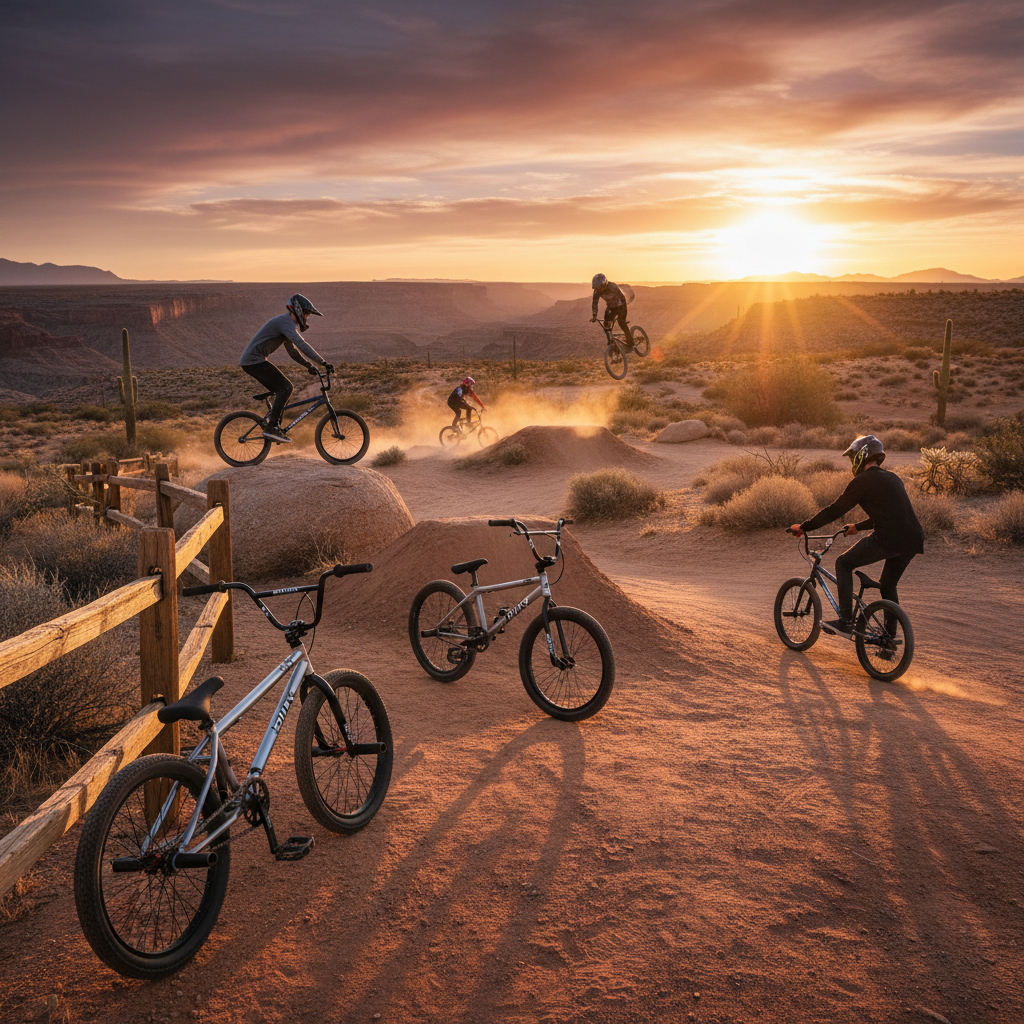
The genesis of bmx bike types can be traced back to the early 1970s in Southern California. Young riders, inspired by motocross racing, began adapting standard bicycles to replicate the thrills and challenges of the dirt tracks. These early bikes were heavily modified, often featuring knobby tires, strengthened frames, and high handlebars for increased control. This initial wave of adaptation quickly evolved into a dedicated riding community and, subsequently, a demand for purpose-built BMX bikes.
The 1980s witnessed the proliferation of different bmx bike types as freestyle riding gained popularity. Park, flatland, and street riding each demanded unique bike characteristics. Manufacturers began to specialize, developing bikes tailored to these specific disciplines. This era saw innovations in frame materials (from steel to chromoly), gearing, and braking systems.
The late 1990s and 2000s brought further refinement, with advancements in suspension technology, lighter components, and more sophisticated frame designs. Today, bmx bike types continue to evolve, driven by both the demands of competitive riders and the creative innovation within the freestyle community, constantly pushing the boundaries of what’s possible on two wheels.
Core Components of bmx bike types
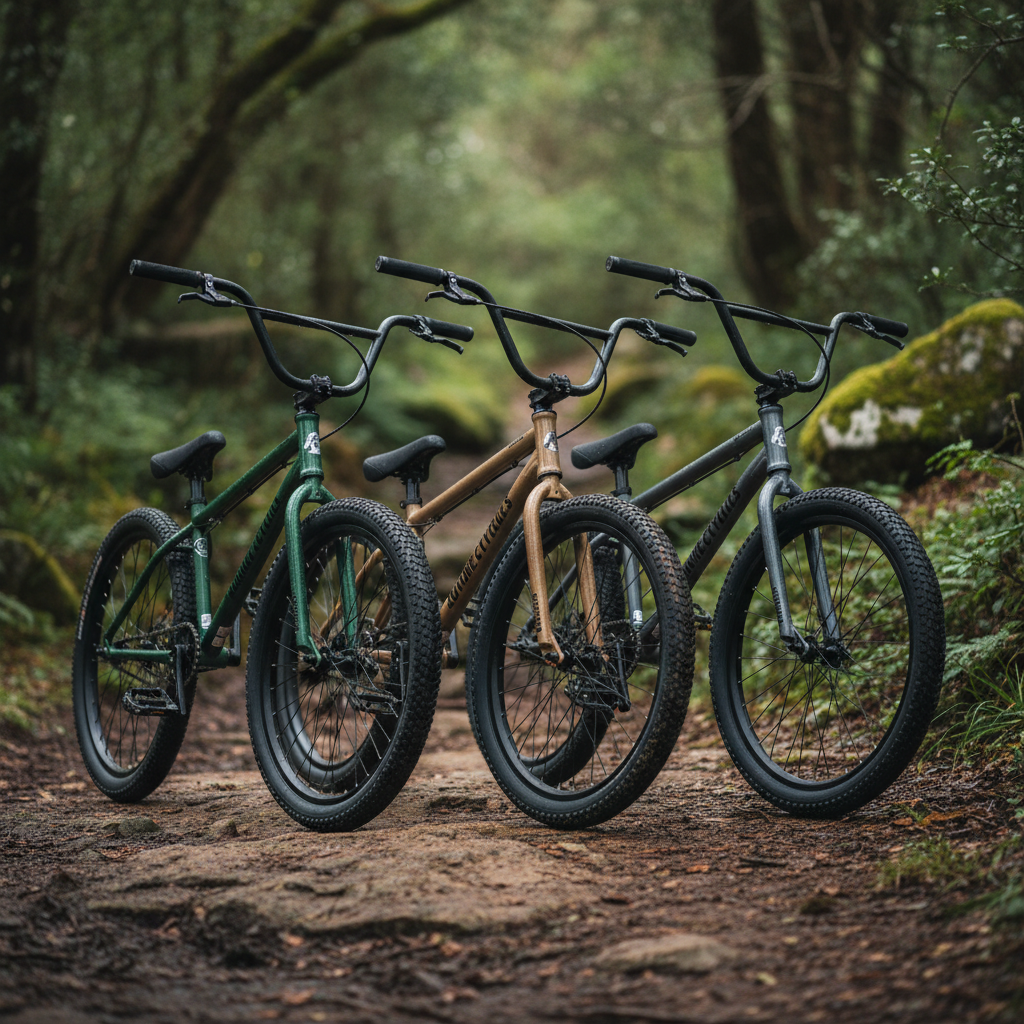
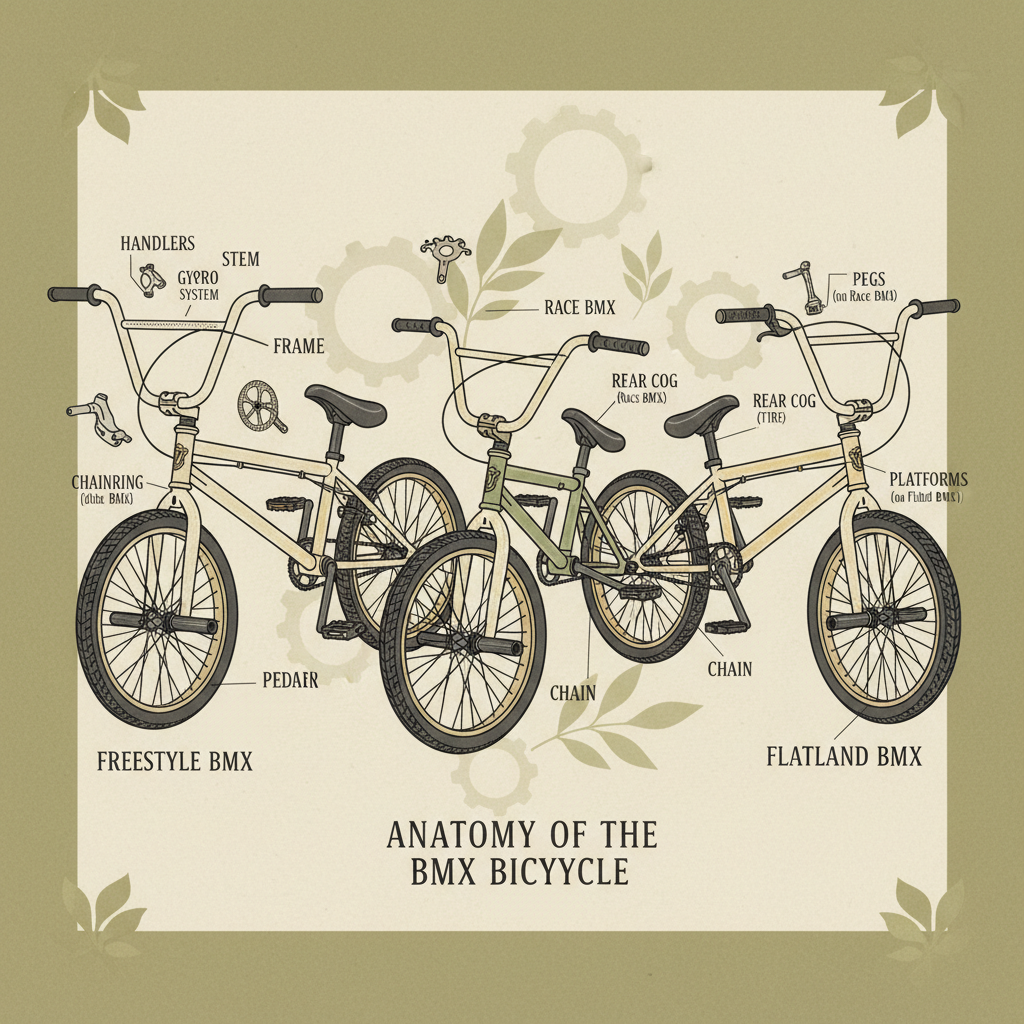
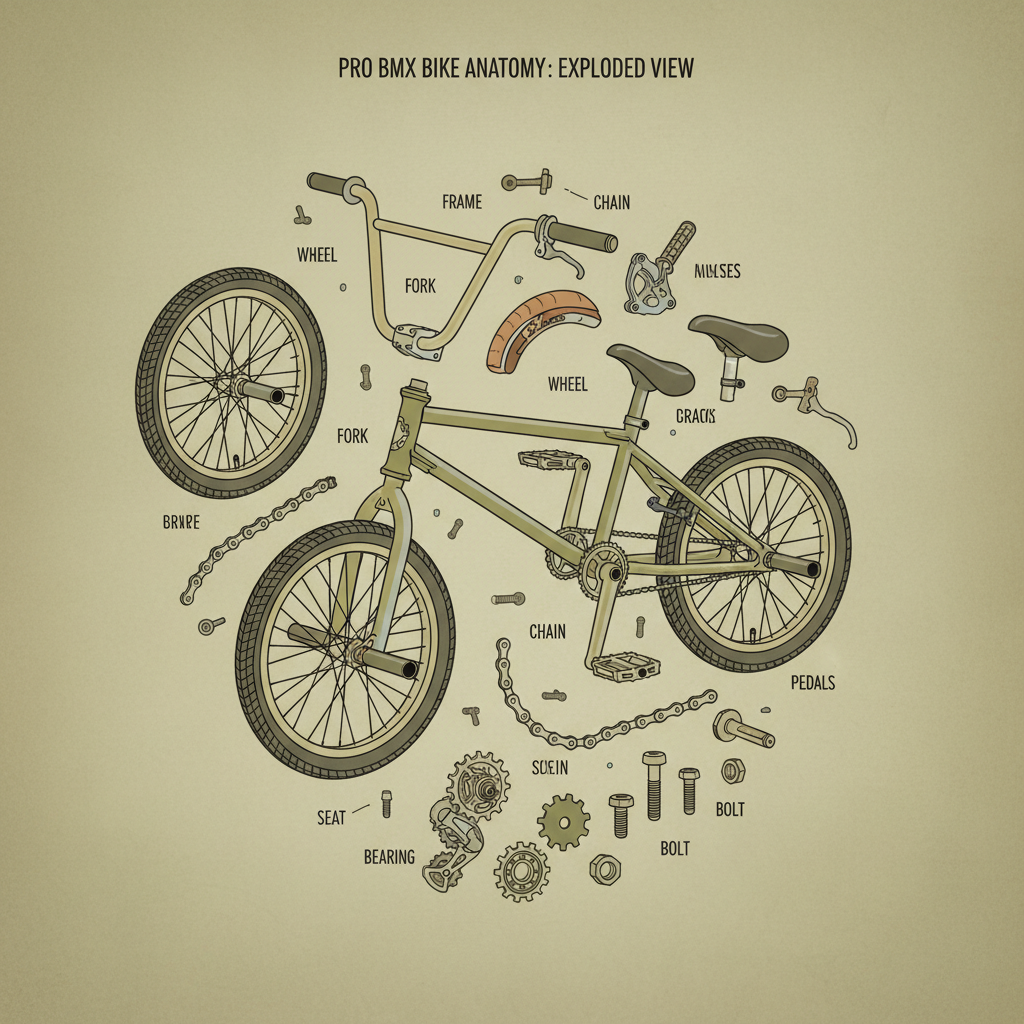
Several key components define the performance and characteristics of different bmx bike types. The frame geometry – encompassing top tube length, head tube angle, and chainstay length – profoundly impacts the bike’s handling and responsiveness. Frame materials, typically steel or aluminum (and increasingly carbon fiber in high-end models), affect weight, stiffness, and durability.
Other crucial elements include the fork, which determines steering responsiveness and influences front wheel traction; the handlebars, impacting rider control and leverage; and the drivetrain (cranks, chain, sprockets, and pedals), which affects pedaling efficiency and acceleration. Furthermore, the choice of tires (size, tread pattern) significantly influences grip and rolling resistance, impacting performance across different terrains and riding styles.
Braking systems also vary significantly between bmx bike types. Racing bikes typically feature rear brakes for controlled deceleration, while many freestyle riders opt for brakeless setups to facilitate tricks and spins. The quality and design of each component collectively contribute to the overall riding experience and dictate a bike’s suitability for specific disciplines.
Global Applications of bmx bike types
The applications of bmx bike types extend far beyond competitive racing and freestyle riding. Racing BMX bikes are utilized in sanctioned events worldwide, with organizations like USA BMX and the UCI overseeing competitions and setting standards. These bikes are engineered for speed, acceleration, and precise handling on purpose-built tracks.
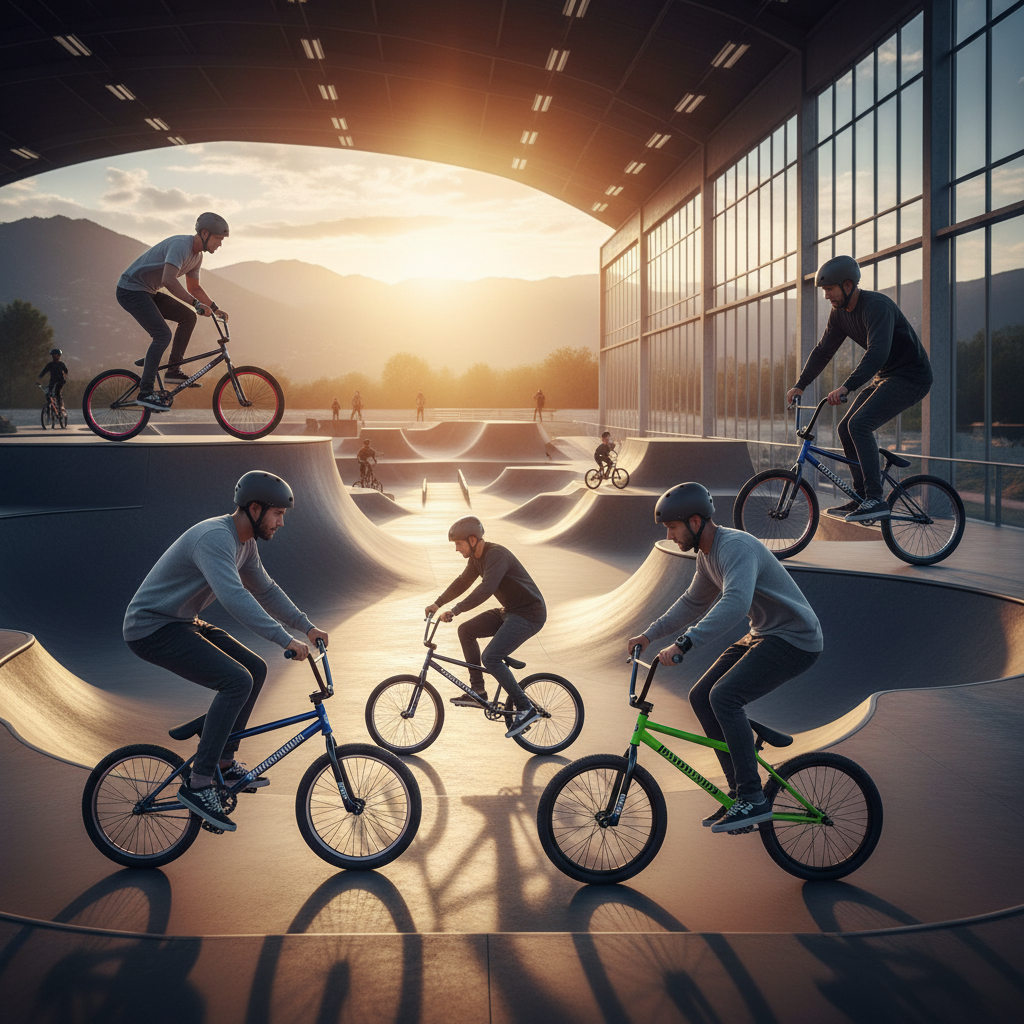
Freestyle BMX bikes, encompassing park, street, flatland, and dirt jumping disciplines, find application in urban environments, skateparks, and dedicated riding facilities globally. These bikes are built for durability, maneuverability, and the ability to withstand the stresses of performing tricks. BMX has even found a niche in film and stunt work, providing a versatile platform for acrobatic sequences.
Average Rider Skill Level by BMX Bike Types
Advantages of Utilizing bmx bike types
The advantages of choosing the right bmx bike types are numerous. For racers, a properly configured bike maximizes speed, acceleration, and control, providing a competitive edge. For freestyle riders, a durable and maneuverable bike allows for greater creativity, trick execution, and minimizes the risk of mechanical failure during demanding maneuvers.
Beyond performance, bmx bike types foster physical fitness, coordination, and mental focus. The sport promotes a sense of community and provides a positive outlet for energy and self-expression. Furthermore, BMX riding can be an accessible and relatively affordable activity compared to other extreme sports.
Future Trends in bmx bike types
The future of bmx bike types is likely to be shaped by several key trends. Advancements in materials science will continue to drive the development of lighter, stronger, and more durable frames and components. Carbon fiber is expected to become increasingly prevalent, particularly in high-end racing and freestyle bikes.
Electric BMX bikes (e-BMX) are also emerging as a potential growth area, offering assisted power for riders of all skill levels and opening up new possibilities for exploration and terrain access. Furthermore, we can anticipate increased integration of smart technology, such as GPS tracking, performance monitoring, and connected components.
Sustainability will also play a growing role, with manufacturers exploring eco-friendly materials and production processes. The adoption of standardized component interfaces and modular designs could enhance repairability and reduce waste, contributing to a more circular economy within the BMX industry.
Challenges and Innovations in bmx bike types
Despite ongoing advancements, several challenges remain in the realm of bmx bike types. Durability is a persistent concern, particularly for freestyle bikes subjected to extreme stresses. Balancing weight reduction with structural integrity requires continuous innovation in materials and frame design.
Another challenge lies in the cost of high-end components and bikes, which can be prohibitive for some riders. Addressing this requires manufacturers to explore more affordable materials and production methods without compromising performance. Furthermore, the need for standardized component compatibility and improved repairability remains a priority.
Innovations such as integrated suspension systems, advanced braking technologies, and aerodynamic frame designs are actively being explored to overcome these challenges and further enhance the performance and riding experience of bmx bike types. The ongoing collaboration between riders, engineers, and manufacturers will be crucial in driving these advancements.
Summary of Core Features Across Various BMX Bike Types
| Bike Type |
Primary Use |
Frame Geometry |
Typical Rider Level |
| Racing BMX |
Competitive racing on dirt tracks |
Long wheelbase, steep head tube angle |
Intermediate to Expert |
| Park BMX |
Riding in skateparks, performing aerial tricks |
Shorter wheelbase, lower standover height |
Beginner to Expert |
| Street BMX |
Riding on urban terrain, utilizing obstacles |
Durable frame, reinforced dropouts |
Intermediate to Expert |
| Flatland BMX |
Performing tricks on a flat surface |
Symmetrical frame, lightweight construction |
Intermediate to Expert |
| Dirt Jumping BMX |
Performing jumps and tricks on dirt mounds |
Strong frame, suspension fork options |
Intermediate to Expert |
| Cruiser BMX |
Casual riding, commuting, recreational use |
Longer wheelbase, comfortable geometry |
Beginner to Intermediate |
FAQS
The primary difference lies in their design philosophy. Racing BMX bikes prioritize speed and efficiency on a track, featuring a longer wheelbase, a steeper head tube angle, and often only a rear brake. Freestyle BMX bikes emphasize maneuverability, durability, and trick capabilities, with a shorter wheelbase, a more relaxed geometry, and often no brakes. The gearing is also different, with racing bikes typically using higher gear ratios for speed, while freestyle bikes favor lower ratios for technical maneuvers.
Frame size is crucial for comfort and control. Generally, standover height is the key measurement. You should have at least 1-2 inches of clearance between the top tube and your crotch when standing over the bike. Top tube length also plays a role, influencing reach and handling. It’s best to consult a BMX bike sizing chart based on your height and inseam, and ideally, test ride a few different sizes before making a purchase.
Chromoly (chromoly steel) frames are significantly lighter and stronger than traditional steel frames. They offer a better strength-to-weight ratio, improving performance and durability, especially for freestyle riding where the bike experiences high impacts. While more expensive, chromoly frames are a worthwhile investment for serious riders seeking a responsive and long-lasting bike.
Whether or not to run a brake on a freestyle BMX bike is a matter of personal preference and riding style. Many freestyle riders choose to ride brakeless to facilitate spins and tricks. However, a rear brake can provide increased control and safety, particularly for beginners or riders who perform more technical maneuvers. It’s important to practice and become comfortable with either setup.
Tire pressure depends on your riding style and terrain. For racing, higher pressures (typically 80-100 PSI) provide lower rolling resistance and faster speeds. For freestyle riding, lower pressures (40-60 PSI) offer better grip and cushioning. Experimenting with different pressures will help you find what works best for your riding style and conditions.
Regular maintenance is crucial for ensuring the longevity and performance of your BMX bike. This includes cleaning and lubricating the chain, checking brake cable tension, inspecting tires for wear and tear, and tightening all bolts. A thorough inspection and tune-up should be performed every few months, or more frequently if you ride regularly.
Conclusion
In conclusion, bmx bike types represent a dynamic and diverse world within cycling. From the origins of replicating motocross to the sophisticated designs used in racing and freestyle disciplines today, understanding these variations is crucial for both performance and enjoyment. Key factors such as frame geometry, materials, and component selection directly impact a bike’s handling, durability, and suitability for specific riding styles.
Looking ahead, innovation in materials, integration of smart technology, and a growing focus on sustainability will continue to shape the evolution of bmx bike types. By embracing these advancements and addressing the ongoing challenges of cost and durability, the BMX community can ensure that this exhilarating sport remains accessible and engaging for generations to come. For more information on finding the perfect bike, visit our website: www.pengchibike.com