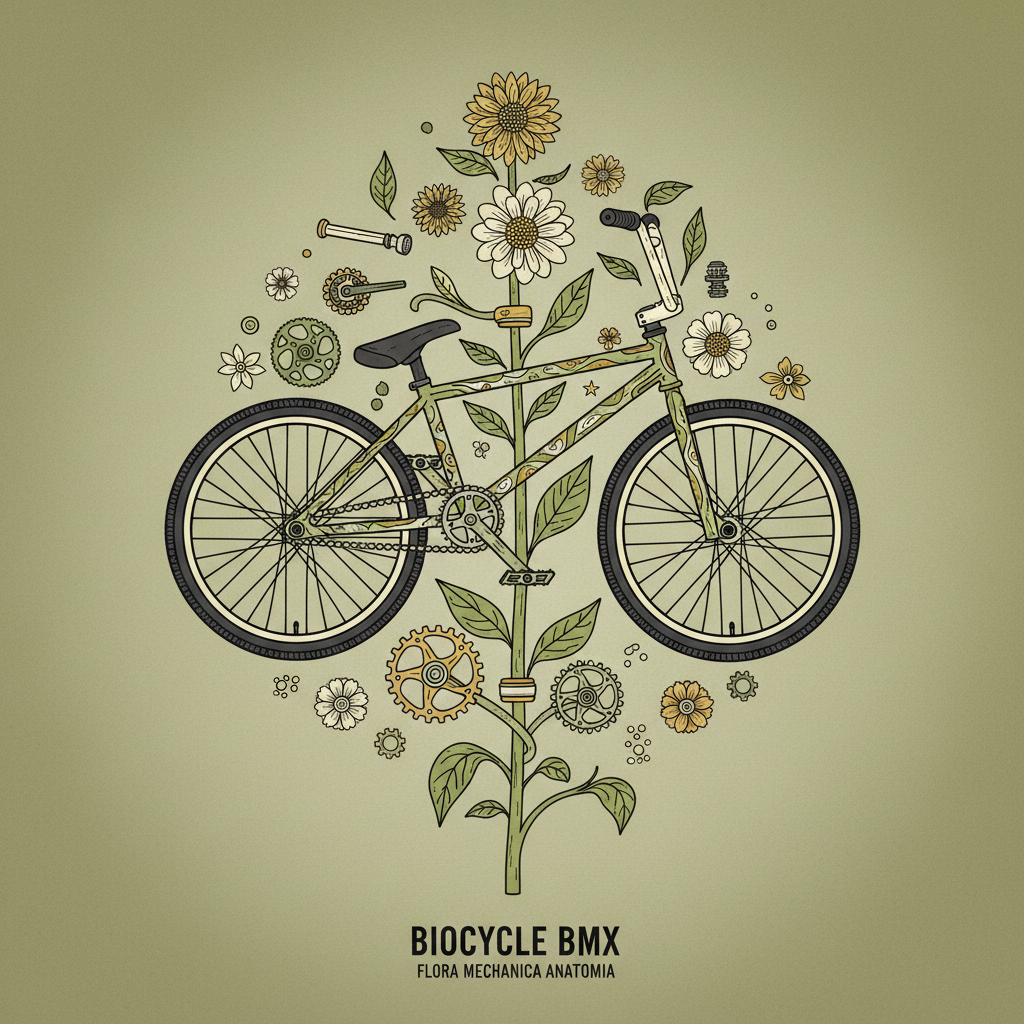
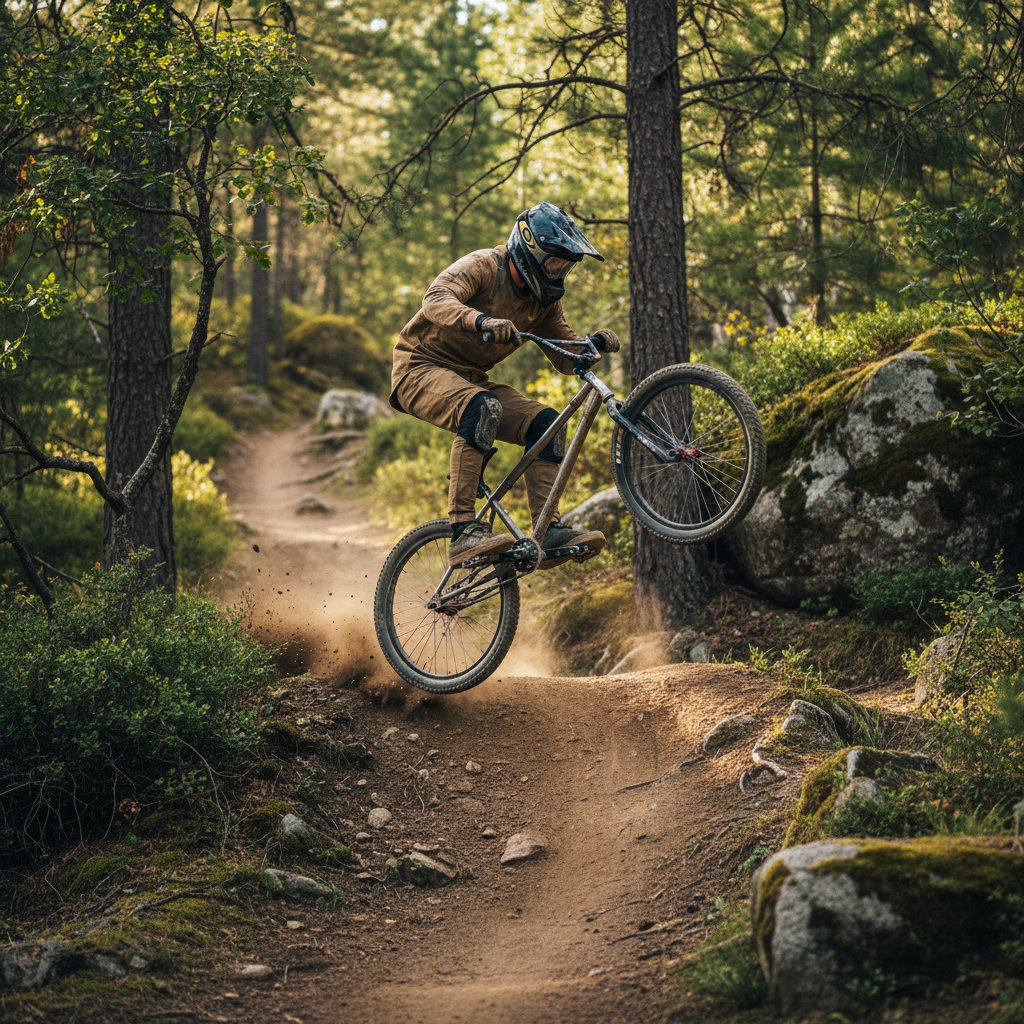
BMX bikes. More than just a kid’s toy, these machines are a testament to engineering, athleticism, and a culture built on pushing limits. From the local skatepark to the Olympic arena, bmx bikes represent a unique blend of skill and creativity. They’re also a surprisingly adaptable form of transportation, gaining traction in urban environments where agility and portability are key. We've seen a significant uptick in demand, not just from the core riders, but from commuters and even those looking for a fun way to stay fit. It’s a dynamic market, and staying ahead means understanding the evolving needs of the rider.
The bmx bike market isn’t monolithic. We’re talking everything from 20-inch street bikes built for technical tricks to 24-inch cruisers geared towards dirt jumping and long-distance riding. Then you’ve got the race bikes, lightweight and meticulously designed for speed. What’s driving growth? Accessibility, for one. Compared to other cycling disciplines, getting started with bmx is relatively affordable. But it’s also the community. BMX fosters a strong sense of belonging, and that’s a powerful draw.
And it’s not just recreation. We're seeing more and more businesses use bmx bikes for quick urban deliveries – think food couriers or document transport. The compact size and maneuverability are a huge advantage in congested areas. That's a space we’re actively exploring, focusing on durable, low-maintenance options. It's a far cry from the chrome-plated rides of the 70s, but the spirit of innovation remains.
The Core of BMX Bikes
BMX, or Bicycle Motocross, began in the early 1970s, mimicking motorcycle motocross racing on bicycles. It's evolved dramatically since then, splitting into several disciplines: racing, freestyle, street, park, and flatland. But at its heart, a bmx bike is built for agility and durability. We spend a lot of time on site, testing frames – chromoly steel is still the gold standard, offering the best strength-to-weight ratio. But we're also exploring advanced aluminum alloys and even carbon fiber for high-end race bikes.
You can't just slap some wheels on a frame and call it a bmx bike. It's about the details. The geometry, the components—the cranks, the handlebars, the seat—every single part is designed to withstand abuse. I've seen firsthand what these bikes go through; kids launching themselves off ramps, grinding rails, and generally treating them like they're indestructible. And they need to be.
The Global Impact of BMX Bikes
The popularity of bmx bikes is global. From the US and Europe to South America and Asia, the sport has a dedicated following. The UCI (Union Cycliste Internationale) recognizes bmx racing and freestyle as official Olympic disciplines, which has significantly boosted visibility and investment. According to a recent report by the World Bicycle Industry Association, the global bicycle market is worth over $185 billion, and bmx bikes constitute a significant, growing segment.
But the impact goes beyond the sport itself. BMX parks and facilities provide safe, supervised spaces for youth recreation, reducing anti-social behavior. They also foster community and promote physical activity. We've been involved in several projects providing bmx bikes and equipment to underserved communities, and the positive impact is remarkable. It’s about giving kids a healthy outlet and a sense of belonging.
The challenge? Accessibility and affordability. High-quality bmx bikes can be expensive, putting them out of reach for many. That’s why we’re focused on developing more affordable options without compromising safety or durability. We're also working with local communities to establish bike-sharing programs and provide repair workshops.
Defining BMX Bikes in the Modern World
Essentially, a bmx bike is a small, maneuverable bicycle designed for trick riding, racing, or simply getting around. But the modern definition is broader. We're seeing a convergence of styles and functionality. For example, the rise of "hybrid" bmx bikes – bikes that blend the features of street and park riding – is catering to a wider range of riders. It's a reflection of the changing needs and preferences of the bmx community.
The connection to modern industry isn't just about manufacturing and sales. It’s about materials science, engineering design, and even urban planning. The demands of bmx riding push the boundaries of what’s possible with bicycle technology. We're constantly innovating, developing new alloys, improving suspension systems, and refining frame geometries. This innovation often translates to advancements in other areas of the cycling industry.
And it’s not all about high-tech. There’s a growing movement towards sustainability and ethical manufacturing. Riders are increasingly aware of the environmental impact of their purchases, and they're demanding more eco-friendly products. We’re responding by sourcing sustainable materials, reducing waste in our manufacturing processes, and partnering with ethical suppliers. It’s the right thing to do, and it’s good for business.
Key Components of High-Performance BMX Bikes
Durability is paramount. A bmx bike takes a beating, so every component needs to be able to withstand significant stress. We're talking about frames built from high-strength steel or aluminum, reinforced forks, and robust wheels. Component selection is critical, and we partner with reputable manufacturers to ensure quality and reliability.
Weight is also a key factor, especially for racing and freestyle. Lighter bikes are easier to maneuver and accelerate. We use lightweight alloys and hollow components to minimize weight without sacrificing strength. It's a constant balancing act, but it's essential for maximizing performance.
BMX Bike Component Importance Ratings
Applications of BMX Bikes Across the Globe
Beyond the dedicated bmx parks and racing circuits, these bikes are making inroads in urban transportation. We're seeing a growing number of riders using bmx bikes for commuting, particularly in dense city centers where maneuverability is key. They're also popular with bike messengers and delivery services.
In developing countries, bmx bikes are often the primary mode of transportation for many people. They're affordable, reliable, and easy to maintain. We’re working with NGOs to provide bmx bikes and repair training to communities in need. It's a small thing, but it can make a big difference in people's lives.
Advantages and Long-Term Value of BMX Bikes
The initial cost of a good bmx bike is relatively low compared to other cycling disciplines. But the long-term value extends beyond price. These bikes are incredibly durable and require minimal maintenance. A well-maintained bmx bike can last for years, providing reliable transportation and countless hours of enjoyment.
There’s also the social aspect. The bmx community is incredibly supportive and welcoming. Riders share tips, tricks, and encouragement. It’s a positive, inclusive environment that promotes physical activity, creativity, and personal growth.
And let's not forget the thrill factor! BMX riding is exhilarating. Whether you're racing, performing tricks, or simply cruising around town, it’s a fun and rewarding experience. That's something you can't put a price on.
Future Trends and Innovations in BMX Bike Technology
We're seeing a surge in interest in electric bmx bikes. These bikes offer the added power and range that can make commuting and long-distance riding more accessible. We’re experimenting with different motor and battery configurations to find the optimal balance of performance and weight.
Another area of innovation is materials science. We’re exploring new alloys and composite materials that are lighter, stronger, and more durable than traditional materials. We're also investigating the use of 3D printing to create custom components.
Sustainability is also a major focus. We're committed to reducing our environmental impact by using recycled materials, minimizing waste, and partnering with ethical suppliers. We believe that bmx bikes can be both fun and sustainable.
BMX Bike Technology Assessment
| Technology |
Performance Impact |
Cost Effectiveness |
Sustainability |
| Electric Motor Integration |
8/10 (Increased speed and range) |
6/10 (Significant cost increase) |
3/10 (Battery production and disposal) |
| Carbon Fiber Frames |
9/10 (Exceptional strength-to-weight ratio) |
4/10 (Very expensive) |
5/10 (Recycling challenges) |
| Hydraulic Disc Brakes |
7/10 (Improved stopping power) |
7/10 (Moderate cost increase) |
6/10 (Potential for fluid leakage) |
| 3D Printed Components |
7/10 (Customization and complex designs) |
5/10 (Currently expensive) |
7/10 (Material reduction and localized production) |
| Recycled Aluminum Alloys |
6/10 (Good strength and durability) |
8/10 (Cost-competitive) |
9/10 (Reduced environmental impact) |
| Tubeless Tire Systems |
8/10 (Reduced flats and improved grip) |
6/10 (Requires specialized components) |
7/10 (Reduced tire waste) |
FAQS
For beginners, we recommend a durable, entry-level bmx bike with a chromoly steel frame. Avoid super lightweight components initially; focus on something that can withstand the inevitable crashes and learning curves. A 20-inch wheel size is standard. Budget around $300-$500 for a solid starting point. Look for brands known for quality construction and good warranties. Don't overspend until you're sure you’ll stick with the sport.
Regular maintenance is crucial. Check your tire pressure before every ride. Clean and lubricate the chain weekly. Inspect brakes and cables monthly. Tighten all bolts and screws regularly. A full overhaul – including cleaning, lubrication, and component inspection – should be done at least twice a year, or more often if you ride frequently or in harsh conditions. Preventative maintenance saves money in the long run.
Street bmx bikes are built for grinding on rails and ledges, so they typically have shorter chainstays and more durable components. Park bmx bikes are designed for riding in skateparks, with features like a lighter frame and responsive geometry. The main difference lies in how they’re intended to be ridden and the components optimized for those specific riding styles. A good all-rounder is possible, but typically compromises on specialization.
Most adult bmx bikes are 20 inches, but there are 24-inch options for taller riders or those who prefer a more comfortable ride. The key is to ensure the bike fits your height and inseam. You should have a slight bend in your elbow when reaching for the handlebars. Many retailers offer sizing guides or can assist you in finding the right fit. Incorrect sizing can lead to discomfort and reduced performance.
While not ideal for long distances, bmx bikes can be surprisingly effective for short commutes, particularly in urban areas with heavy traffic. Their compact size and maneuverability allow you to navigate crowded streets easily. Consider adding a seat post and some basic accessories like a headlight and taillight for safety and comfort. But remember, they aren’t designed for speed or comfort over longer distances.
High-end bmx bikes, with custom frames, premium components, and lightweight materials, can easily cost $1500 or more. These bikes are typically built for serious riders competing at a high level. The price reflects the quality of the materials, the precision of the manufacturing, and the overall performance enhancements. It's an investment, but for dedicated riders, it can be worth it.
Conclusion
BMX bikes are far more than just a nostalgic throwback. They represent a dynamic blend of athleticism, engineering, and community. From their humble beginnings as a motorcycle imitation to their current status as an Olympic sport and urban transportation alternative, bmx bikes continue to evolve and inspire. Their durability, adaptability, and relatively low barrier to entry make them accessible to a wide range of riders.
Looking ahead, we anticipate continued innovation in materials, technology, and design. The rise of e-bmx bikes and the growing focus on sustainability will further shape the future of this exciting sport and lifestyle. If you're looking for a challenging, rewarding, and fun way to stay active, a bmx bike might be the perfect choice.