Vintage bmx bikes represent more than just a childhood pastime; they embody a rich history of innovation, athleticism, and community. Originating in the early 1970s as miniature versions of motocross bikes, these bicycles quickly gained popularity with children eager to replicate the thrills of off-road racing. Today, the vintage bmx bike scene is a thriving subculture, attracting collectors, restorers, and riders who appreciate the craftsmanship and nostalgia associated with these classic machines. The enduring appeal of vintage bmx bikes speaks to a desire for authenticity and a connection to a simpler era.
The global relevance of vintage bmx bikes extends beyond mere recreation. They serve as tangible links to cultural movements, showcasing evolving design trends and technological advancements in bicycle manufacturing. The pursuit of restoring and maintaining these bikes fosters a unique skillset combining mechanical expertise, historical knowledge, and artistic sensibility. The community surrounding vintage bmx bikes actively preserves this heritage, ensuring that these iconic bicycles continue to inspire future generations. This preservation plays a key role in understanding the evolution of cycling.
Understanding the nuances of vintage bmx bikes – from identifying rare components to authentic restoration techniques – offers a rewarding experience for enthusiasts. It provides a fascinating window into the history of action sports and the cultural landscape of the 1970s and 80s. Furthermore, the meticulous nature of restoration promotes patience, problem-solving skills, and an appreciation for quality craftsmanship, transferable benefits applicable to various aspects of life.
The Historical Development of vintage bmx bikes
The story of vintage bmx bikes began in Southern California in the early 1970s. Children, inspired by motocross racing, began riding their standard bicycles on dirt tracks, attempting to emulate their heroes. This led to a demand for smaller, more durable bikes specifically designed for off-road riding. Early manufacturers like Schwinn and Raleigh responded by producing models like the Sting-Ray and MK-1, which laid the foundation for the modern bmx bike. These early models often featured coaster brakes and balloon tires, prioritizing simplicity and durability.
Throughout the 1970s and 80s, the sport of bmx racing and freestyle riding rapidly evolved, driving significant innovation in bicycle design. Companies like GT, Redline, and Haro emerged, introducing features like smaller frames, lightweight components, and improved braking systems. The introduction of chromoly steel frames marked a turning point, enhancing strength and reducing weight. The golden age of vintage bmx bikes saw a flourishing competitive scene and a dedicated community of riders and enthusiasts.
Defining Vintage BMX Bikes
A vintage bmx bike is generally considered to be a bicycle manufactured between the early 1970s and the late 1980s. However, the definition can be nuanced, often depending on specific features, components, and historical significance. Key characteristics include the use of period-correct parts, such as sealed bearing hubs, lightweight alloy components, and specific frame designs. Authenticity is highly valued within the vintage bmx community, with collectors often seeking bikes in original, unrestored condition.
Differentiating a “vintage” bmx bike from a simply old one lies in its connection to the formative years of the sport and its embodiment of the design aesthetics of the era. While any older bmx bike could be considered “old,” a true vintage example is typically one that contributed to the development of bmx technology and culture. These bikes are sought after not just for their rarity but for the stories they tell about a pivotal period in action sports history.
The appeal of vintage bmx bikes extends beyond collectors; many riders appreciate their unique handling characteristics and the simpler, more direct riding experience they offer compared to modern bikes. They represent a tangible connection to the roots of the sport, fostering a sense of nostalgia and community among riders of all ages.
Key Components and Characteristics
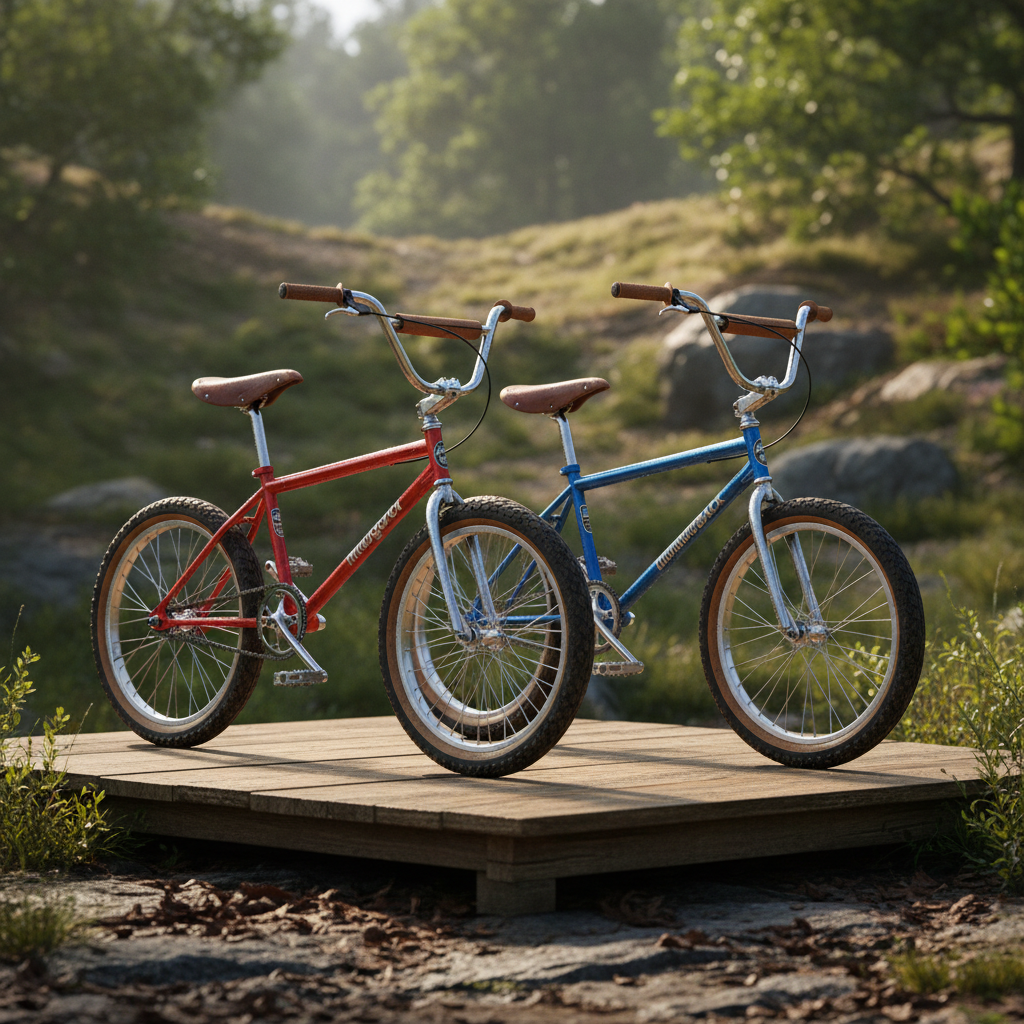
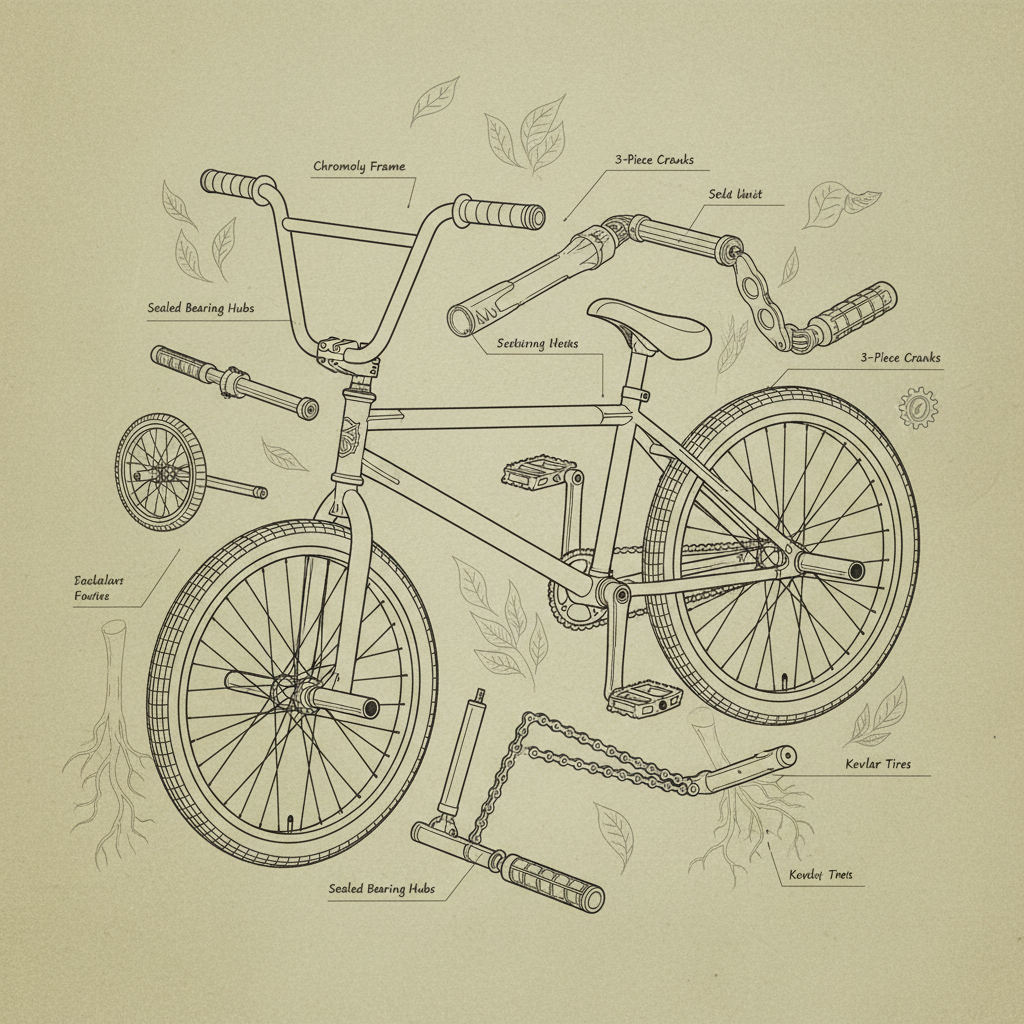
Several key components define a vintage bmx bike's identity. The frame, typically constructed from steel (often chromoly), is the foundation of the bike. Fork design, including the rake and offset, significantly impacts handling. Wheels, featuring period-correct hubs and rims, are critical for both performance and aesthetic authenticity. Components like the seat, handlebars, and cranks contribute to the overall look and feel of the bike, reflecting the design trends of the era.
Braking systems varied significantly throughout the vintage bmx era. Early models often featured coaster brakes, while later bikes incorporated side-pull or center-pull brakes. The choice of brakes affected stopping power and overall weight. Drive train components, including the chainring, sprockets, and pedals, played a vital role in efficient power transfer. The choice of components often reflected the rider's preferences and the intended use of the bike (racing vs. freestyle).
Beyond the core components, details like the paint scheme, decals, and grips contribute to a vintage bmx bike's authenticity and collectibility. Original paint, in good condition, can significantly increase a bike's value. Decals, accurately reproduced or preserved, are crucial for identifying the bike's manufacturer and model. Even the type of grips used can provide clues about the bike's age and originality.
Frame Materials and Durability
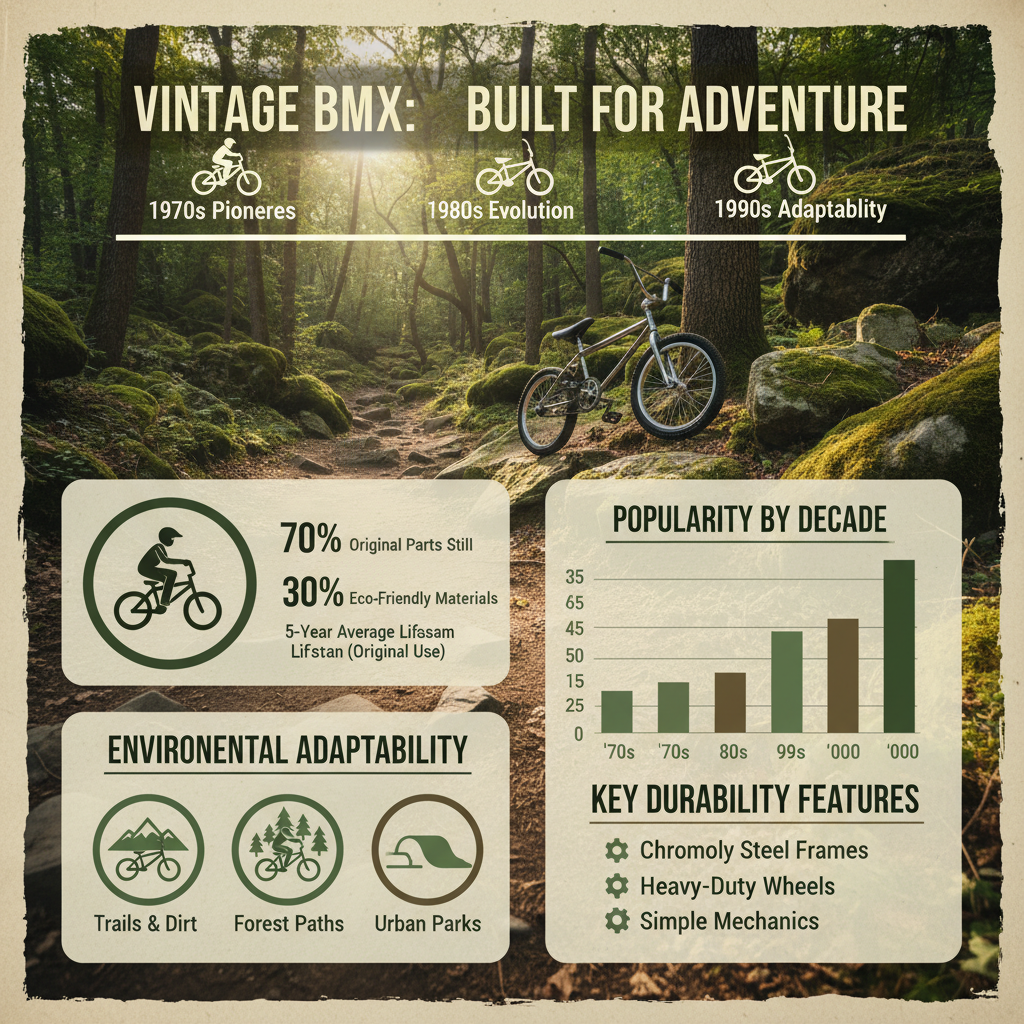
Early vintage bmx bikes were predominantly constructed from high-tensile steel, offering a balance of strength and affordability. However, as the sport evolved and riders demanded lighter, more durable bikes, chromoly steel became the material of choice. Chromoly, an alloy of steel and chromium, offered significantly higher strength-to-weight ratio, enabling manufacturers to create lighter frames without compromising durability.
The construction techniques used in vintage bmx frames also influenced their durability. Butted tubing, where the thickness of the tube walls varies along its length, provided optimal strength where it was needed most, reducing weight without sacrificing structural integrity. Welding quality was paramount, with skilled welders creating strong, reliable joints.
Frame Material Durability Ratings for vintage bmx bikes
Global Vintage BMX Bike Communities
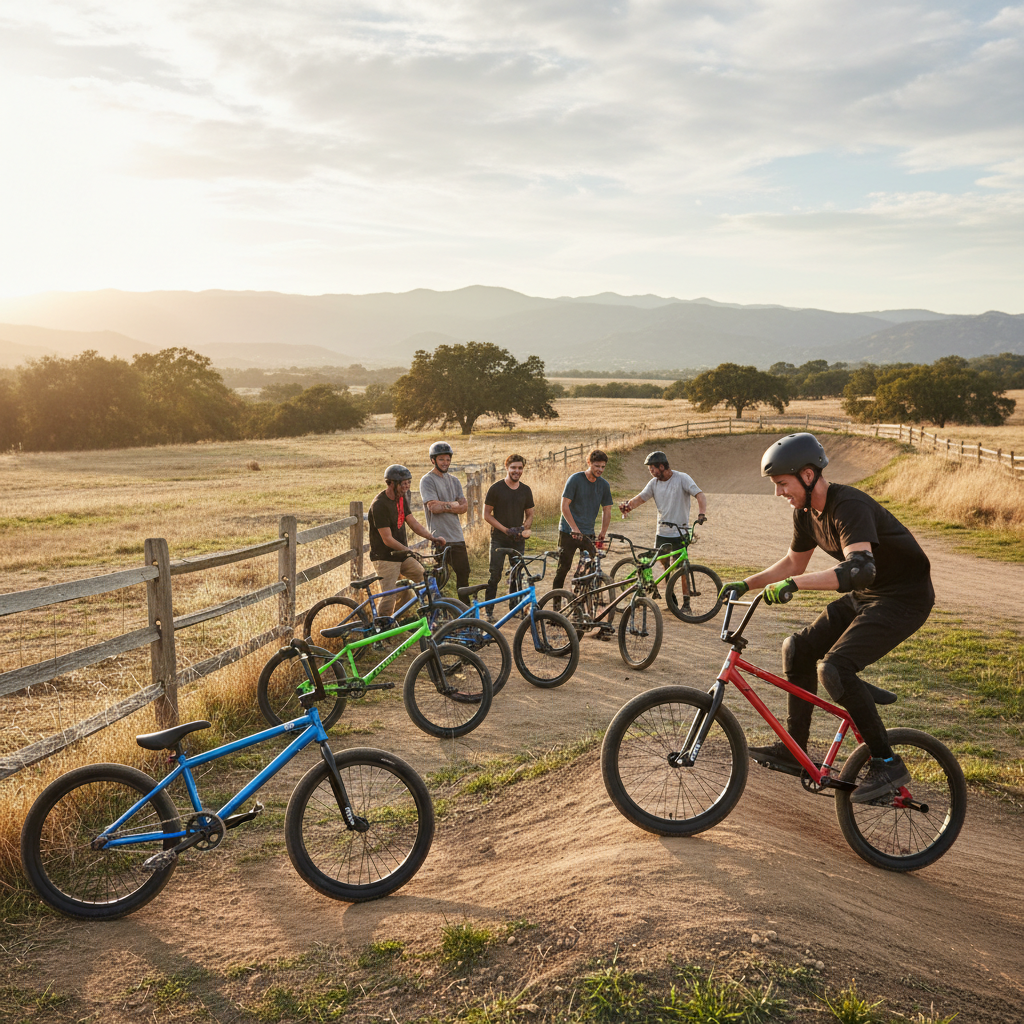
The vintage bmx bike community is a global network of enthusiasts connected by a shared passion for these classic machines. Online forums, social media groups, and dedicated websites serve as hubs for collectors, restorers, and riders to connect, share knowledge, and trade parts. These communities foster a strong sense of camaraderie and collaboration.
Regional variations exist within the global community, with strong concentrations of enthusiasts in North America, Europe, and Australia. Annual events and gatherings, such as vintage bmx shows and races, provide opportunities for enthusiasts to showcase their bikes, share stories, and connect in person.
The Value Proposition of vintage bmx bikes
The value of vintage bmx bikes stems from a combination of factors, including rarity, historical significance, originality, and condition. Highly sought-after models, particularly those ridden by professional racers or featuring unique components, can command significant prices. Restoration quality and the presence of original parts greatly influence value.
Beyond monetary value, vintage bmx bikes offer a unique cultural and emotional connection. They represent a tangible link to a formative period in action sports history, evoking nostalgia and a sense of authenticity. The act of restoring a vintage bmx bike can be deeply rewarding, fostering a sense of accomplishment and pride.
Investing in vintage bmx bikes can be seen as a form of tangible asset diversification, offering potential for appreciation over time. However, like any collectible market, prices can fluctuate based on trends and demand. Careful research and expert advice are essential for making informed investment decisions.
Restoration and Maintenance Challenges
Restoring a vintage bmx bike presents several challenges. Sourcing original or accurately reproduced parts can be difficult and expensive. Many components are no longer manufactured, requiring extensive searching through online marketplaces, swap meets, and specialized suppliers. Matching paint colors and decals accurately can also be challenging.
Maintenance of vintage bmx bikes requires specialized knowledge and skills. Unlike modern bikes, vintage models often use obsolete components that require unique tools and techniques for repair. Rust and corrosion can be significant issues, requiring careful cleaning and preservation.
Common Restoration and Maintenance Issues for Vintage BMX Bikes
| Issue Category |
Severity Level (1-5) |
Typical Cost to Resolve (USD) |
Skill Level Required |
| Rust and Corrosion |
3 |
$50 - $200 |
Intermediate |
| Sourcing Original Parts |
4 |
$100 - $500+ |
Advanced |
| Wheel Truing and Bearing Replacement |
2 |
$30 - $100 |
Intermediate |
| Paint and Decal Restoration |
3 |
$150 - $400+ |
Advanced |
| Brake System Overhaul |
2 |
$40 - $120 |
Intermediate |
| Frame Alignment |
5 |
$200 - $600+ |
Expert |
FAQS
The value of a vintage bmx bike hinges on several key factors. Rarity, originality (with as many original parts as possible), condition, and historical significance all play a crucial role. Bikes ridden by famous racers or those representing a pivotal design shift tend to command higher prices. Documentation, such as original sales receipts or race results, can also significantly increase value. Thorough research and professional appraisal are recommended for accurate valuation.
Identifying the year of manufacture can be challenging but possible. Look for serial numbers stamped on the bottom bracket shell or head tube. Cross-reference these numbers with online databases or vintage bmx bike enthusiast communities. Component dates – such as the date codes on hubs, cranks, and brakes – can also provide clues. Catalogues from the 70s and 80s can also assist in identifying the year and model.
Proper storage is crucial for preserving a restored vintage bmx bike. Store it indoors in a climate-controlled environment to prevent rust and corrosion. Avoid direct sunlight, as it can fade paint and damage tires. Consider using a bike stand to keep the tires off the ground. Regular cleaning and light lubrication can also help maintain the bike's condition.
While vintage bmx bikes are fun to ride, safety should be a priority. Thoroughly inspect the bike before each ride, checking brakes, tires, and all components for wear and tear. Consider replacing worn parts with modern equivalents if necessary. Wear appropriate safety gear, including a helmet and gloves. Be aware that vintage bikes may not have the same stopping power or handling characteristics as modern bikes.
Finding reliable parts can take some effort. Online marketplaces like eBay and dedicated vintage bmx parts websites are good starting points. Swap meets and bmx shows often offer opportunities to find rare and hard-to-find components. Joining online forums and connecting with other enthusiasts can also lead you to valuable resources and parts suppliers.
A “show bike” is typically a meticulously restored vintage bmx bike that is primarily intended for display and judging at shows. Emphasis is placed on originality and cosmetic condition. A “rider bike” is a vintage bmx bike that is built to be ridden, often with a mix of original and modern components for improved reliability and performance. Rider bikes prioritize functionality over absolute originality.
Conclusion
In conclusion, vintage bmx bikes represent a fascinating intersection of history, culture, and athleticism. Their enduring appeal stems from their unique design, their connection to the formative years of bmx racing and freestyle riding, and the dedicated community of enthusiasts who preserve and celebrate these iconic machines. Owning and restoring a vintage bmx bike is more than just a hobby; it’s a connection to a vibrant past and a celebration of ingenuity and passion.
Looking ahead, the vintage bmx bike scene is poised to continue thriving, fueled by a growing appreciation for retro aesthetics and a desire for authenticity. Investing in the preservation of these bikes ensures that their legacy will endure for generations to come. If you're captivated by the history and artistry of vintage bmx bikes, we encourage you to explore this vibrant world – you might just discover your own piece of bmx history!