Vintage bmx riding, a captivating blend of nostalgia and athletic prowess, has experienced a global resurgence in recent decades. What began as a children's pastime in the 1970s has evolved into a dedicated subculture, attracting enthusiasts of all ages and skill levels. This renewed interest isn't merely about recreating the past; it’s about celebrating a unique era of innovation, freedom, and community spirit within cycling. The accessibility and relatively low cost of entry compared to other cycling disciplines contribute to its worldwide appeal.
The global market for vintage bmx parts and complete bikes is significant, fueled by online marketplaces and dedicated restoration communities. Data from online auction sites like eBay demonstrate consistent high demand for sought-after frames, components, and accessories. While precise market figures are difficult to ascertain due to the fragmented nature of the hobby, enthusiast forums and industry reports suggest a multi-million dollar annual market. This represents a substantial economic impact connected to a niche sport.
Understanding vintage bmx isn’t just about appreciating a piece of cycling history. It provides valuable lessons in engineering, design, and the enduring power of a passionate community. For collectors, it’s an investment; for riders, it's a connection to a simpler time; and for restorers, it’s a fulfilling craft. The revival of vintage bmx underscores a broader cultural trend of embracing retro aesthetics and valuing authenticity.
The Historical Development of vintage bmx
The roots of vintage bmx lie in the early 1970s California surf culture. When drought conditions limited surfing, kids began adapting their bicycles to mimic the maneuvers of motocross racing. This initial adaptation involved adding knobby tires and utilizing BMX (Bicycle MotoX) style handlebars. This spontaneous innovation quickly gained traction, leading to the formation of early bmx racing teams and the development of specialized bikes.
By the late 1970s and early 1980s, bmx had exploded in popularity, becoming a global phenomenon. Manufacturers like Schwinn, GT, and Haro emerged, producing iconic frames and components that are now highly sought after by collectors. This era also saw the rise of freestyle bmx, with riders showcasing their skills in flatland, park, and street riding disciplines. This diversification solidified bmx’s place in action sports history.
Defining Vintage BMX
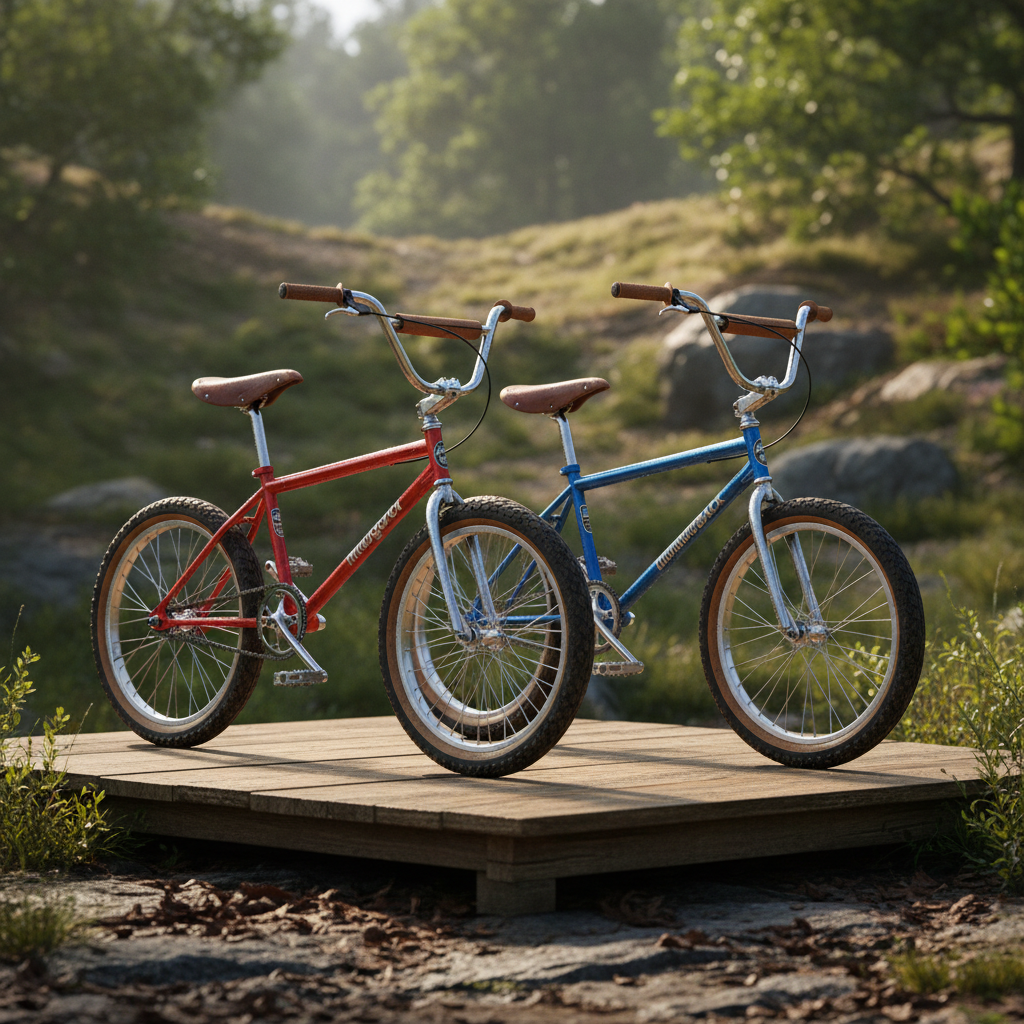
Vintage bmx generally refers to bicycles manufactured between the early 1970s and the late 1980s. However, the definition can be nuanced, often considering not just the age of the bike but also its components and originality. A true vintage bmx will often feature period-correct parts, reflecting the technology and aesthetics of the era. Factors such as the frame material (typically chromoly steel), fork design, and handlebar style are important indicators of a bike's vintage status.
The distinction between "vintage" and "classic" can also be important. While both terms denote age, "classic" often implies a bike that's highly collectible or historically significant, often associated with winning races or innovative designs. Vintage bmx, on the other hand, encompasses a wider range of bikes from the period, including those used for everyday riding.
Understanding the historical context of these bikes is crucial. They represent a pivotal moment in cycling history when innovation and rider creativity combined to form a new and exciting sport. Their connection to a specific cultural era – the late 70s and 80s – adds to their appeal and enduring legacy.
Key Components of Vintage BMX Bikes
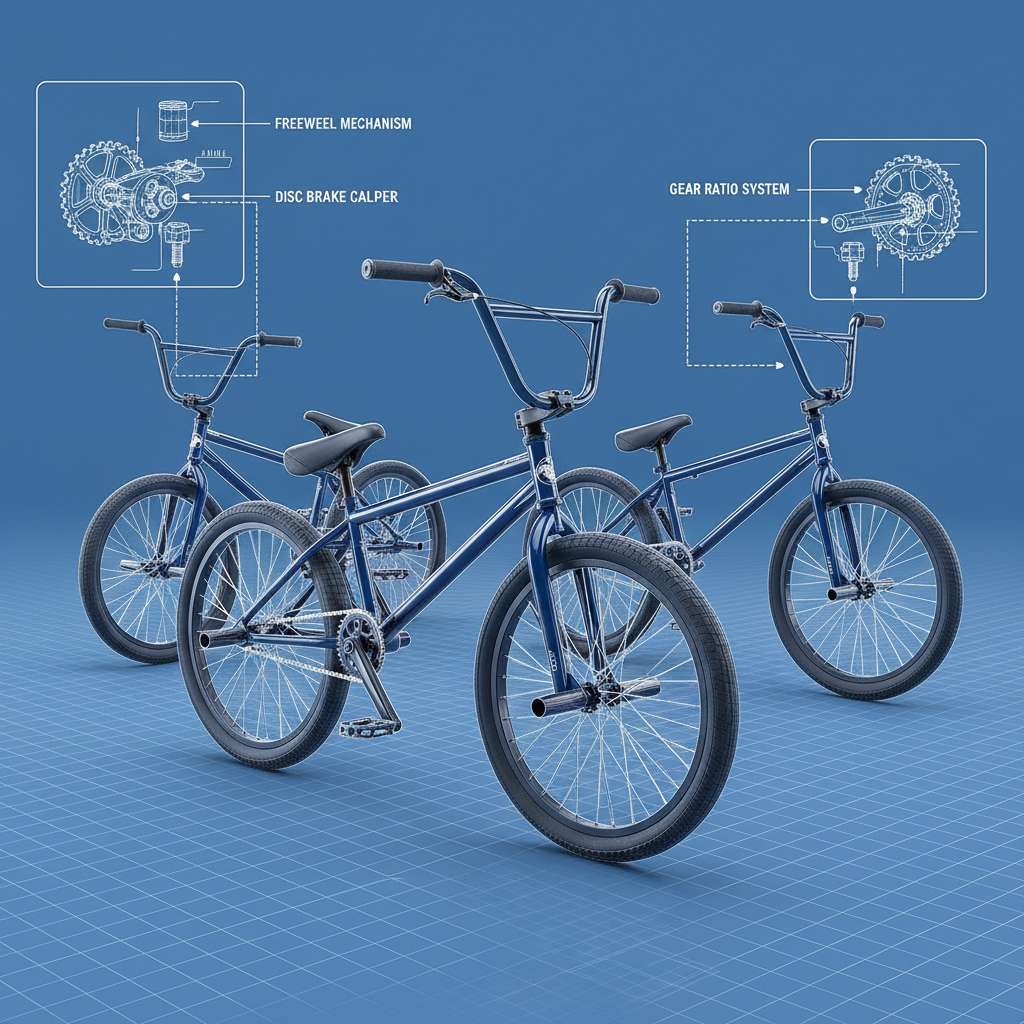
The frame is arguably the most critical component of any vintage bmx bike. Early frames were typically constructed from high-tensile steel, while more high-end models utilized chromoly steel for increased strength and reduced weight. Frame geometry varied considerably, influencing the bike's handling characteristics. Different head tube angles and chainstay lengths catered to various riding styles.
Wheels and tires also played a significant role. Early bmx bikes used 20-inch wheels with knobby tires designed for off-road traction. As the sport evolved, tire tread patterns became more specialized, offering better grip for racing or freestyle riding. Wheel hubs, spokes, and rims were all carefully selected to ensure durability and performance.
Handlebars, stems, and grips were key components for control and comfort. High-rise handlebars became popular for freestyle riding, providing greater leverage and maneuverability. Different stem designs influenced the bike's steering response. Grips varied in material and texture, offering riders a range of options for grip and comfort.
Global Applications and the Vintage BMX Community
While vintage bmx originated in the United States, its popularity has spread globally. Enthusiast communities have sprung up in countries like the UK, Japan, Australia, and throughout Europe. These communities organize events, share knowledge, and participate in restoration projects. Online forums and social media groups facilitate communication and trade among collectors and riders worldwide.
In post-disaster relief operations, the rugged simplicity of vintage bmx-style bikes has been occasionally employed for reconnaissance and transportation in areas inaccessible to larger vehicles. While not a primary application, their durability and maneuverability can be advantageous in challenging environments.
Today, vintage bmx finds application in various recreational activities: competitive vintage racing (often catering to specific era bikes), freestyle demonstrations showcasing historical tricks, and simply enjoying the unique riding experience offered by these classic machines. The thriving restoration community ensures that these bikes continue to be appreciated and preserved for future generations.
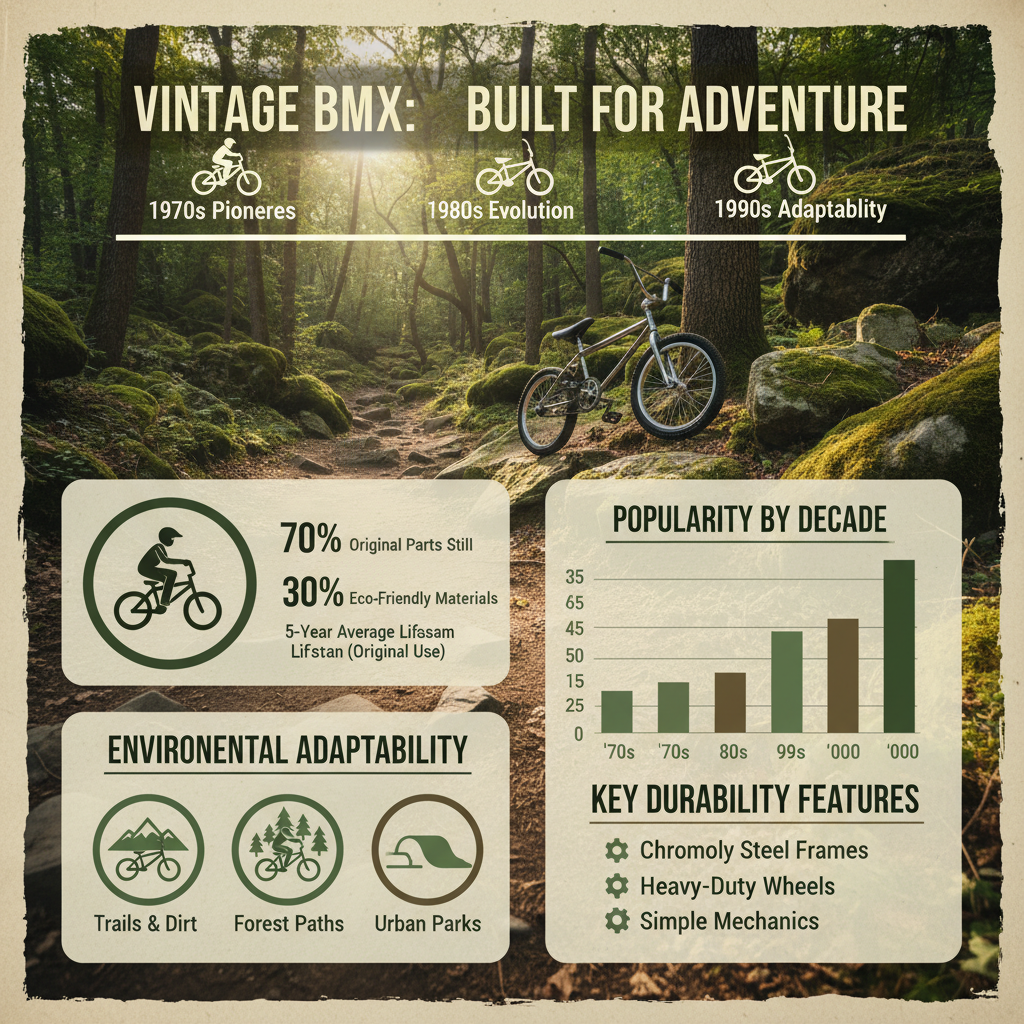
Vintage BMX Component Popularity Ratings
Advantages and the Long-Term Value of Vintage BMX
Investing in vintage bmx offers several advantages. From a financial perspective, rare and well-preserved bikes can appreciate significantly in value over time. The thrill of the hunt – finding a hidden gem at a flea market or online auction – adds to the appeal. Beyond the monetary value, the emotional connection to a cherished piece of cycling history is invaluable.
Vintage bmx also provides a tangible link to a simpler, more creative era. Riding a vintage bike evokes a sense of nostalgia and freedom. The craftsmanship and durability of these bikes often surpass that of modern mass-produced models. They represent a time when bikes were built to last, not to be disposable.
Future Trends in Vintage BMX
The future of vintage bmx appears bright. Increased interest in sustainability and retro aesthetics suggests that demand for these bikes will continue to grow. The development of specialized restoration tools and techniques will make it easier to maintain and repair these classic machines.
Digital platforms, including online forums and social media groups, will play an increasingly important role in connecting collectors and enthusiasts. The sharing of knowledge and resources will help preserve the history of vintage bmx for future generations.
We may also see a trend toward incorporating vintage bmx aesthetics into modern bike designs, blending classic style with contemporary technology. This could appeal to a wider audience, bridging the gap between vintage and modern cycling cultures.
Restoring and Maintaining Vintage BMX Bikes
Restoring a vintage bmx bike is a rewarding but challenging endeavor. It requires patience, attention to detail, and a deep understanding of the bike's original components. Sourcing original parts can be difficult and expensive, but crucial for maintaining authenticity. Proper cleaning, lubrication, and adjustment are essential for ensuring optimal performance.
Regular maintenance is key to preserving a vintage bmx bike. This includes checking and adjusting brakes, lubricating the chain and bearings, and inspecting the frame for signs of rust or damage. Protecting the bike from the elements will help prevent corrosion and extend its lifespan.
Summary of Vintage BMX Bike Restoration Considerations
| Restoration Scope |
Component Sourcing |
Skill Level Required |
Estimated Cost (USD) |
| Cosmetic Refresh (paint touch-up, cleaning) |
Readily Available Replacements |
Beginner |
$50 - $150 |
| Partial Restoration (replace tires, grips, cables) |
Mostly Available Replacements |
Intermediate |
$200 - $500 |
| Complete Restoration (original parts or high-quality replicas) |
Difficult to Source Originals |
Advanced |
$800 - $2000+ |
| Frame Repair (rust removal, welding) |
Specialized Welding Skills Required |
Expert |
$300 - $600+ |
| Chrome Plating/Painting |
Professional Services Required |
Intermediate/Expert |
$200 - $500+ |
| Component Polishing and Detailing |
Basic Polishing Compounds |
Beginner/Intermediate |
$50 - $200 |
FAQS
Generally, a BMX bike is considered 'vintage' if it was manufactured between the early 1970s and the late 1980s. However, the term extends beyond age. Authenticity is crucial - a true vintage BMX bike will feature original or period-correct components reflecting the technology and style of that era. Frame materials (chromoly steel vs. high-tensile steel), fork designs, and handlebar types all contribute to its classification.
Restoration costs vary widely depending on the bike's condition and the extent of work required. A cosmetic refresh might cost $50-$150, while a full restoration with original parts can exceed $2000. While restoration can be expensive, a well-restored vintage BMX can significantly appreciate in value, potentially exceeding the investment. However, it’s often undertaken as a labor of love rather than purely for profit.
Sourcing parts can be challenging. Online auction sites like eBay are a good starting point, but require careful scrutiny. Specialized vintage BMX parts dealers exist, offering both original and reproduction components. BMX enthusiast forums and social media groups are excellent resources for finding rare parts and connecting with knowledgeable collectors. Flea markets and swap meets can also yield unexpected treasures.
Valuation depends on several factors: the bike’s age, rarity, condition, originality, and historical significance. Research completed sales on auction sites and consult with vintage BMX experts or appraisers. Online resources dedicated to vintage BMX bikes often provide price guides and valuation assistance. Condition is paramount - a pristine original bike will command a significantly higher price than a heavily modified or damaged one.
While technically rideable, vintage BMX bikes are generally not designed for the demands of modern riding. Frame geometry, brake systems, and component strength differ significantly. They’re best suited for recreational riding, display, or participation in vintage-specific racing or freestyle events. Modifying them for modern use can diminish their historical value and authenticity.
Store your vintage BMX bike in a dry, climate-controlled environment. Protect it from direct sunlight and moisture, which can cause rust and fade paint. Regularly clean and lubricate components to prevent corrosion. Consider using a bike cover to shield it from dust and scratches. If storing for an extended period, deflate the tires slightly to prevent flat spotting.
Conclusion
Vintage bmx is more than just a nostalgic hobby; it’s a captivating blend of history, engineering, and community spirit. From its humble beginnings as a California surf alternative to its global resurgence today, vintage bmx represents a pivotal moment in cycling history. The enduring appeal of these classic bikes stems from their simplicity, durability, and the sense of freedom they evoke. Preserving and celebrating these machines ensures their legacy endures.
The future of vintage bmx looks promising, with a growing community, increased interest in sustainability, and the potential for blending classic aesthetics with modern technology. Whether you’re a collector, a rider, or a restoration enthusiast, exploring the world of vintage bmx offers a unique and rewarding experience. Visit our website at vintage bmx to explore our collection and learn more!