0%

Table of Contents

Pro BMX riding represents the pinnacle of bicycle motocross, a dynamic and physically demanding sport enjoyed globally. From its humble beginnings as a children’s pastime mimicking motorcycle motocross, pro BMX has evolved into a recognized Olympic discipline and a thriving professional scene. The dedication, skill, and courage of pro BMX riders inspire enthusiasts worldwide, pushing the boundaries of what’s possible on two wheels. Understanding the nuances of pro BMX - the equipment, the techniques, and the culture – unlocks appreciation for the athlete’s dedication and the sport’s thrilling spectacle.

The global relevance of pro BMX extends beyond competition. It influences bicycle design, impacting advancements in materials science and engineering. The sport's strong community fosters inclusivity and positive youth development. Moreover, pro BMX's influence on action sports filmmaking and media creates entertainment and expands the reach of extreme sports culture. As a discipline featured in the Olympics, it showcases athleticism and provides opportunities for international collaboration.

At its core, pro BMX embodies a spirit of innovation, resilience, and athletic prowess. It's a sport where dedication to honing skills is paramount, attracting individuals driven by a passion for pushing their limits. This constant evolution and pursuit of progression are what make pro BMX a captivating and enduring discipline. The intense training and precise execution required for success ensure a thrilling spectacle for both participants and spectators alike.

Exploring the Thrilling World of Pro BMX Riding and its Evolution

The Evolution of Pro BMX

Exploring the Thrilling World of Pro BMX Riding and its Evolution

The journey of pro BMX began in the early 1970s, mirroring the growing popularity of motorcycle motocross. Children began riding their bicycles on dirt tracks, attempting to replicate the jumps and maneuvers of their motocross heroes. This grassroots movement quickly evolved, leading to the development of specialized BMX bikes designed for off-road riding.

Over the decades, pro BMX has undergone significant transformations. The introduction of freestyle BMX in the 1980s expanded the sport’s scope, incorporating flatland, street, and park riding. This diversification introduced new skill sets and riding styles, enriching the competitive landscape and cultivating a more creative approach to the discipline.

Defining Pro BMX Standards

Professional BMX encompasses various disciplines, each with its unique standards. Racing, the original form, demands explosive power, technical precision, and strategic acumen. Freestyle BMX, encompassing park, street, flatland, and vert, prioritizes creativity, technical difficulty, and style. All pro BMX events adhere to strict rules established by governing bodies like the UCI (Union Cycliste Internationale).

These standards ensure fair competition and promote safety. Riders are evaluated based on technical execution, flow, difficulty of tricks, and overall presentation. Judges consider factors like height, amplitude, smoothness, and originality. These benchmarks continually evolve, pushing athletes to innovate and refine their skills.

Furthermore, professional BMX requires riders to maintain a certain level of consistency and performance to qualify for major events and sponsorships. The requirements for becoming a "pro" often include consistent top finishes in competitions and demonstrating a dedicated commitment to the sport's development.

Core Components of Pro BMX Bikes

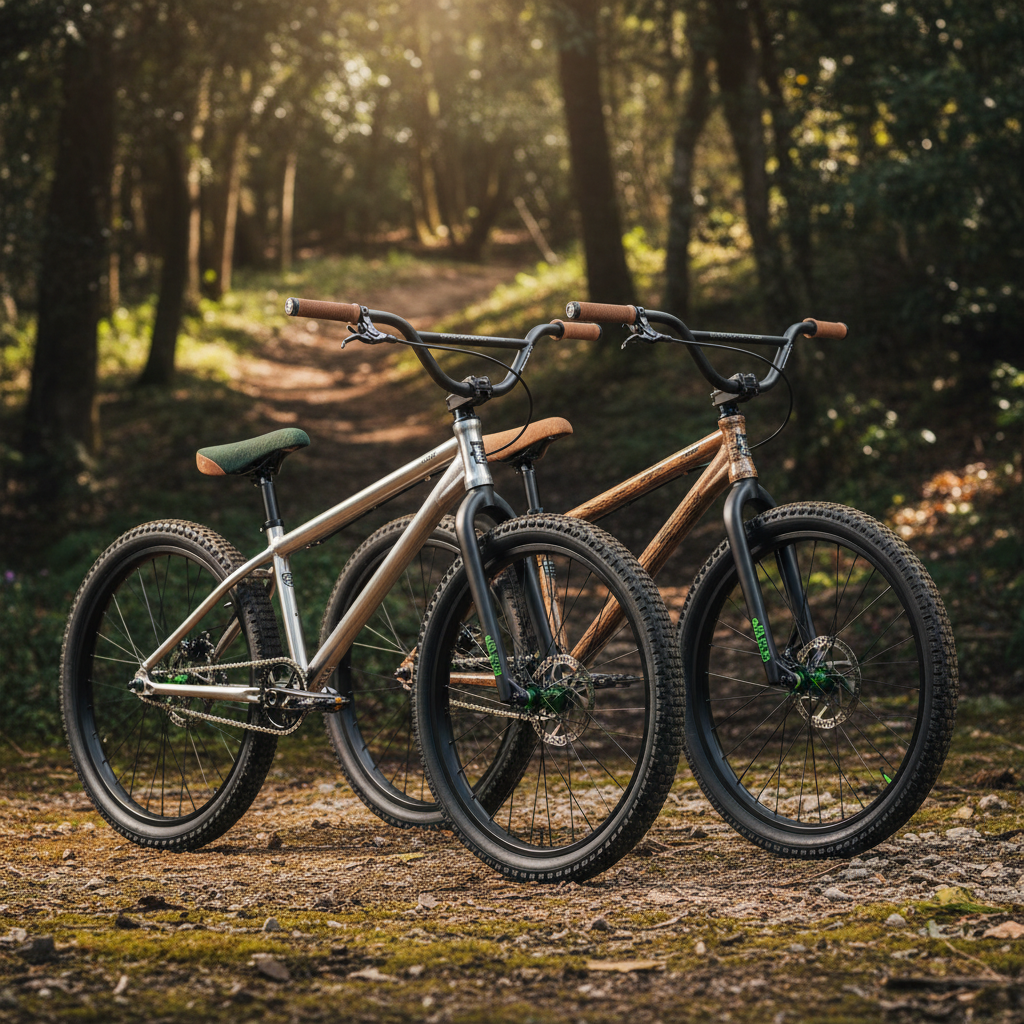
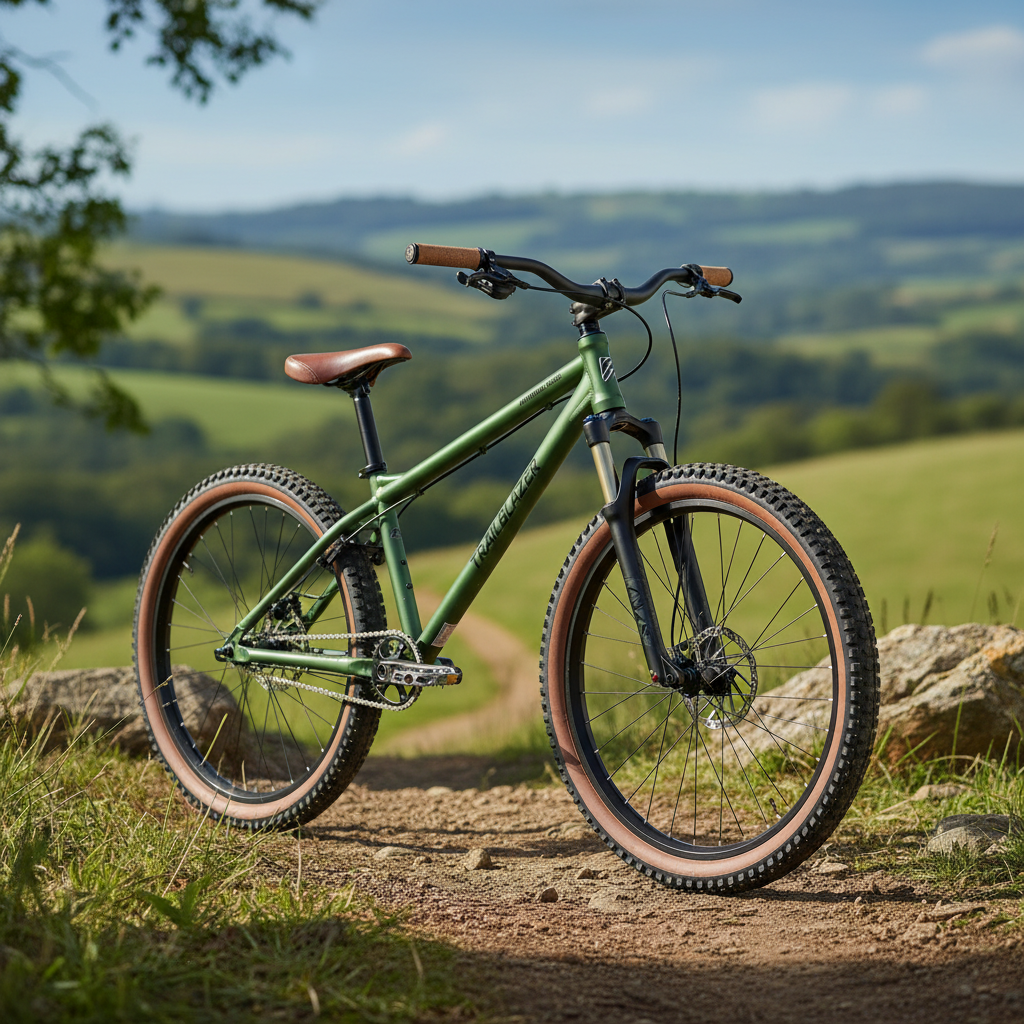
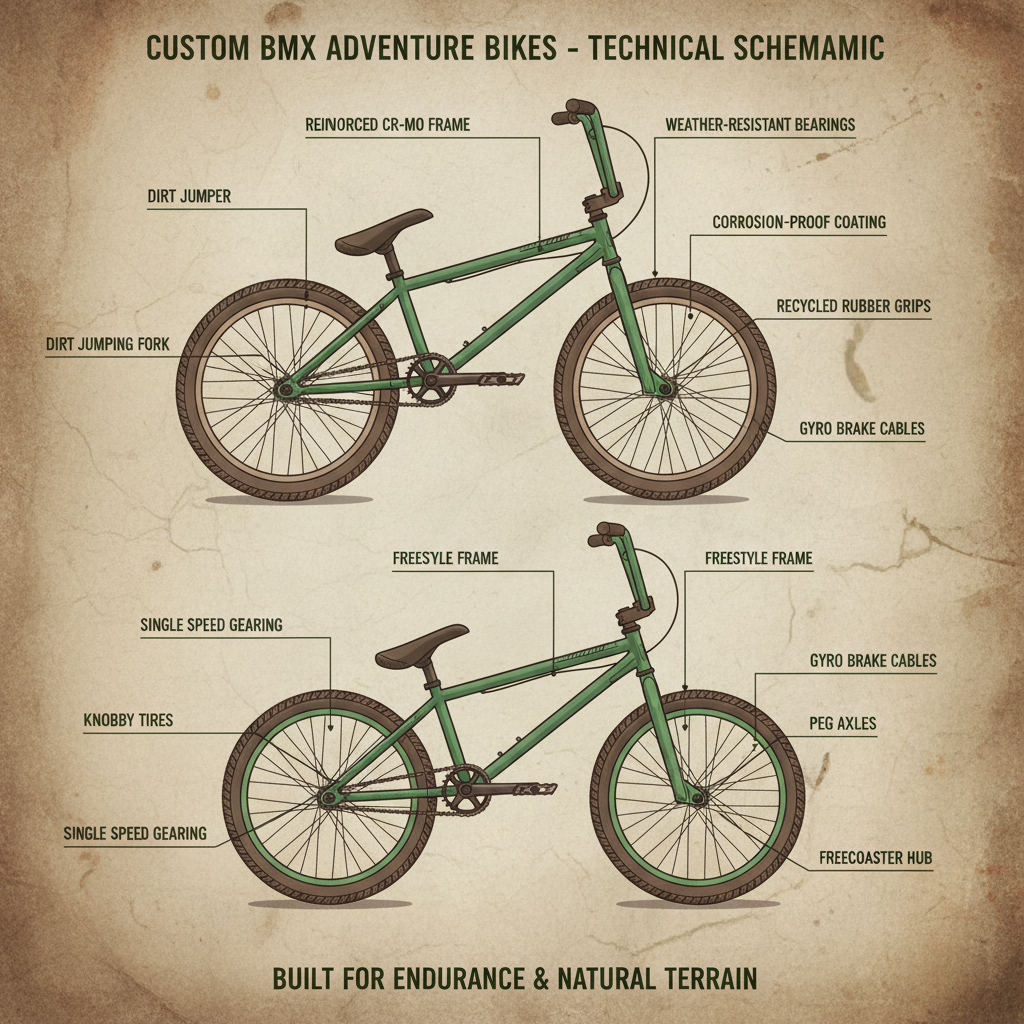
A pro BMX bike is a highly specialized machine designed to withstand the stresses of intense riding. The frame, typically constructed from chromoly steel or aluminum alloy, forms the backbone of the bike, providing strength and responsiveness. Lightweight materials are crucial for maximizing agility and maneuverability.

Components like the forks, handlebars, cranks, and wheels are also carefully selected for their durability, weight, and performance characteristics. High-end BMX bikes feature sealed bearings, precision-engineered components, and ergonomic designs to optimize rider control and comfort. The choice of tires – often specialized for grip, speed, or terrain – is also critical.

The drivetrain, consisting of the chain, sprockets, and pedals, plays a vital role in power transfer. Pro riders often customize their drivetrains to achieve optimal gearing ratios for specific riding styles. Furthermore, the braking system, typically consisting of a rear U-brake, must provide reliable stopping power while minimizing weight.

Pro BMX in Global Competition

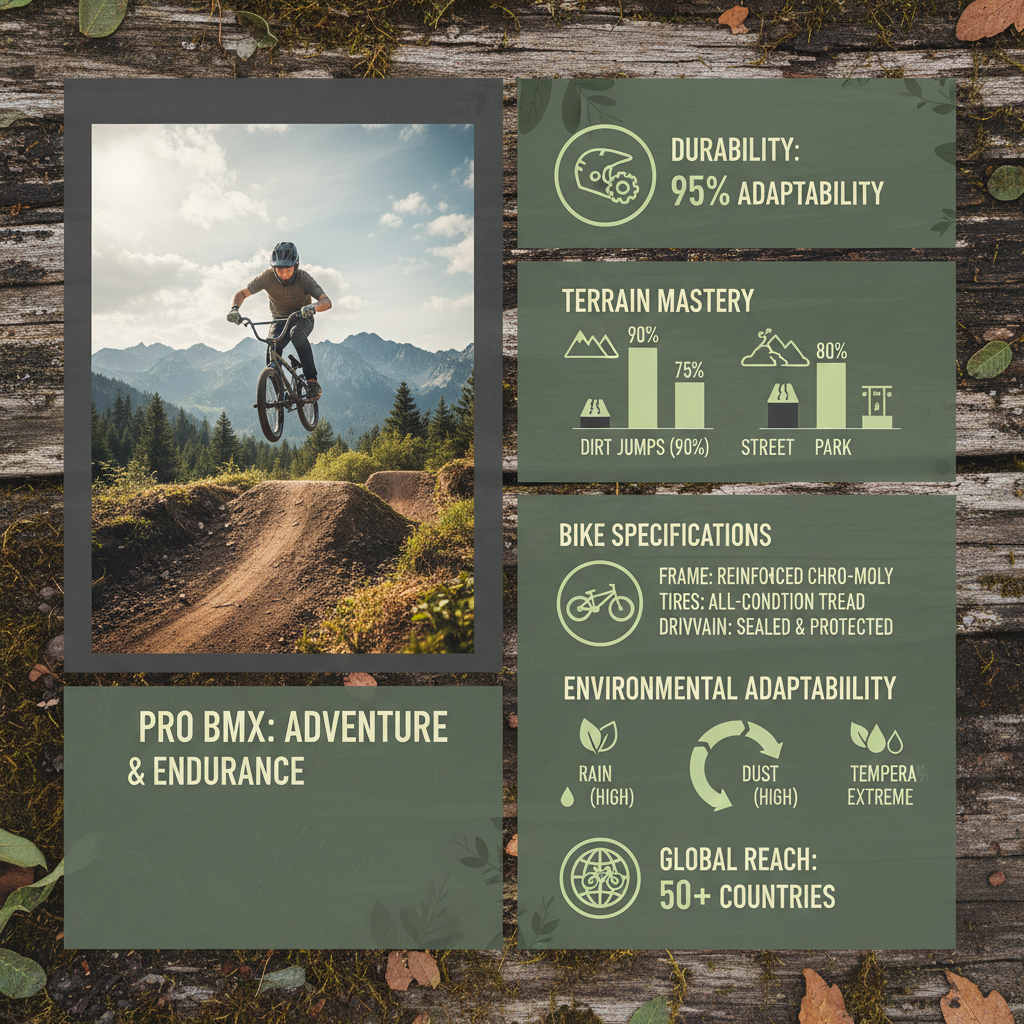
Pro BMX competitions take place worldwide, attracting top riders from across the globe. Racing events, such as the UCI BMX Supercross World Cup, feature high-speed races on meticulously designed tracks with challenging jumps and berms. Freestyle events, including X Games and Street League Skateboarding (SLS), showcase the creativity and technical skill of riders in park, street, and flatland disciplines.

Pro BMX Disciplines – Global Participation


Pro BMX Rider Training Regimens

Pro BMX riders undergo rigorous training regimens to build the strength, endurance, and technical skills required for success. This often includes intense physical conditioning, encompassing weightlifting, cardio, and plyometrics. Specific exercises are tailored to address the demands of each discipline.

Beyond physical training, mental fortitude is crucial. Riders practice visualization techniques, stress management strategies, and focus exercises to enhance their performance under pressure. Consistent practice on the bike, refining technique and learning new tricks, is paramount.

Advantages of High-Performance Pro BMX Equipment

Investing in high-performance pro BMX equipment offers significant advantages. Lightweight frames reduce rotational inertia, enhancing maneuverability. Precision-engineered components improve power transfer and responsiveness. Durable materials withstand the stresses of demanding riding.

Superior braking systems provide reliable stopping power, increasing safety. Ergonomic designs enhance comfort and reduce fatigue. Ultimately, high-quality equipment empowers riders to perform at their best, minimizing the risk of mechanical failures and maximizing their potential.

Future Innovations in Pro BMX Technology

The future of pro BMX is poised for innovation. Advanced materials, such as carbon fiber and titanium alloys, are likely to become more prevalent, further reducing bike weight and increasing strength. Aerodynamic designs, inspired by cycling and other sports, could improve speed and efficiency.

Smart technology, incorporating sensors and data analytics, may provide riders with real-time feedback on their performance, optimizing training and technique. Virtual reality (VR) and augmented reality (AR) technologies could revolutionize training methods, allowing riders to practice in simulated environments.

Finally, advancements in suspension technology and tire compounds will continue to refine handling and grip, further enhancing the riding experience.

Summary of Pro BMX Tech Advancement Areas

Advancement Area Current Status Potential Impact on Pro BMX Implementation Timeline
Advanced Materials Carbon Fiber and Titanium are used in select components. Reduced weight, increased strength, improved handling. 2-5 years
Aerodynamic Design Limited application currently. Increased speed, reduced drag. 5-10 years
Smart Sensors Early stages of development. Real-time performance data, optimized training. 3-7 years
VR/AR Training Emerging applications. Simulated training environments, improved skill development. 2-5 years
Suspension Systems Limited use in pro BMX. Increased comfort, improved control, reduced fatigue. 5-10 years
Tire Technology Ongoing development of grip compounds. Enhanced traction, improved control, optimized performance. Ongoing

FAQS

What are the key differences between pro BMX racing and freestyle BMX?

Pro BMX racing focuses on speed and navigating a dirt track with jumps and berms, demanding explosive power and strategic maneuvering. Freestyle BMX, conversely, prioritizes creativity, technical skill, and style across disciplines like park, street, flatland, and vert. Racing is a head-to-head competition, while freestyle emphasizes individual performance and trick difficulty. The equipment and training regimens also differ significantly, with racing bikes built for speed and freestyle bikes designed for maneuverability.

How important is bike maintenance in pro BMX?

Bike maintenance is absolutely critical in pro BMX. Riders subject their bikes to extreme stresses, and even minor mechanical issues can lead to crashes or performance setbacks. Regular inspections, cleaning, lubrication, and component replacements are essential. Pro riders often meticulously maintain their bikes themselves or work with experienced mechanics to ensure optimal performance and safety. A well-maintained bike translates directly to improved confidence and control.

What kind of physical conditioning is required to become a pro BMX rider?

Becoming a pro BMX rider requires a comprehensive physical conditioning program. This includes strength training (focusing on legs, core, and upper body), cardiovascular endurance (running, cycling, swimming), and plyometrics (for explosive power). Flexibility and balance are also crucial. Riders need to develop both anaerobic and aerobic fitness to handle the demands of competition. Injury prevention training is also important, as BMX is a physically demanding sport.

What are the most common injuries in pro BMX, and how are they prevented?

Common injuries in pro BMX include fractures, sprains, dislocations, and concussions. These are often caused by crashes or repetitive stress. Prevention strategies include wearing appropriate protective gear (helmets, pads, gloves), maintaining proper bike fit, warming up thoroughly before riding, and conditioning the body to withstand the demands of the sport. Proper technique and careful risk assessment are also crucial for minimizing injury risk.

How can aspiring pro BMX riders get noticed by sponsors?

Getting noticed by sponsors requires consistent performance in competitions, a strong social media presence, and effective self-promotion. Aspiring riders should aim to achieve top finishes in local and regional events, create high-quality video content showcasing their skills, and actively engage with potential sponsors. Networking with industry professionals and building a personal brand are also essential for attracting sponsorship opportunities.

What is the role of the UCI in governing pro BMX?

The UCI (Union Cycliste Internationale) is the global governing body for cycling, including BMX. It establishes rules and regulations for competitions, sets standards for equipment, and oversees the qualification process for the Olympics. The UCI works to ensure fair play, promote safety, and develop the sport worldwide. Its guidelines impact everything from track design to rider conduct.

Conclusion

Pro BMX represents a captivating blend of athleticism, skill, and creativity. From its origins as a grassroots pastime to its current status as a globally recognized Olympic sport, it has continuously evolved, pushing the boundaries of what is possible on two wheels. Understanding the core components of pro BMX - the equipment, the training, the competition formats - enhances appreciation for the dedication and talent of the riders.

The future of pro BMX is bright, with ongoing innovations in materials, technology, and training techniques. As the sport continues to grow and evolve, it promises to inspire future generations of riders and captivate audiences worldwide. If you’re looking to learn more, explore the world of pro BMX at pro bmx today!


David Miller

David Miller

David Miller is the Head of Product Development at Hebei Pengchi Children's Toys Co., Ltd. With over 12 years of experience in the bicycle and toy industry, David leads the team responsible for innovative design and quality control. He specializes in understanding market trends, particularly in the Middle East and
Previous Exploring the World of Nice BMX Bikes Design Community and Performance
Next Exploring the World of Pro BMX Bikes Performance and Innovation