Pro BMX bikes represent the pinnacle of cycling innovation and athletic performance. These aren't your average bicycles; they're meticulously engineered machines designed to withstand the extreme demands of freestyle BMX riding. From park and street to dirt and flatland, pro BMX bikes empower riders to push boundaries and express their creativity through incredible feats of skill and daring. Understanding the nuances of these bikes – their components, geometry, and materials – is crucial for both aspiring riders and seasoned professionals looking to optimize their performance and protect themselves from injury.
The global popularity of BMX, and specifically pro-level bikes, has surged in recent decades, fueled by influential riders, captivating events like the X Games, and a thriving online community. What began as a niche sport has evolved into a globally recognized discipline with a significant economic impact. The demand for high-quality, durable, and performance-oriented pro BMX bikes continues to grow, driving manufacturers to constantly innovate and refine their designs. This growth extends beyond competition, influencing street style and youth culture worldwide.
Pro BMX bikes aren’t just about tricks; they are a statement of dedication, style, and a commitment to a challenging and rewarding lifestyle. Their evolution reflects advancements in materials science, manufacturing techniques, and a deep understanding of biomechanics. Choosing the right pro BMX bike requires careful consideration, and this guide aims to provide a comprehensive overview of the key factors involved.
The Core Components of pro bmx bikes
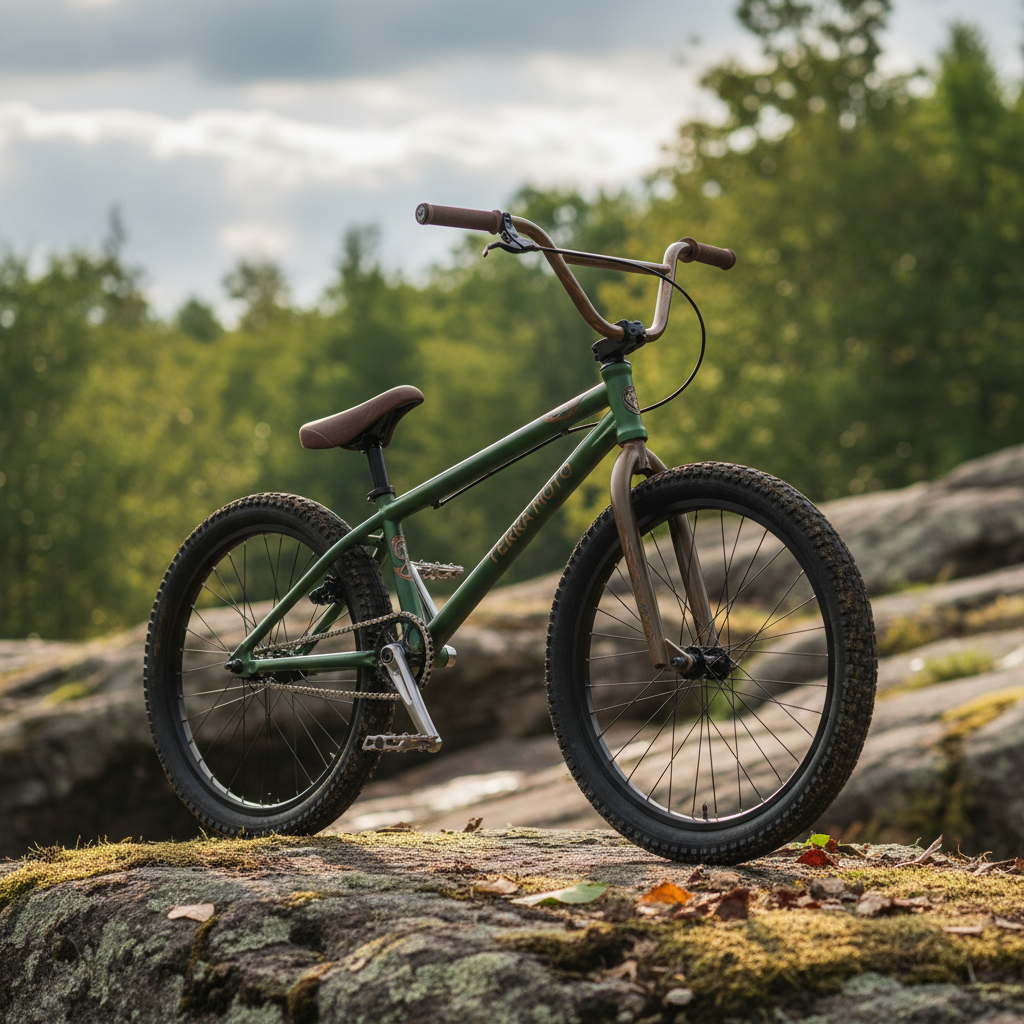
A pro BMX bike’s performance is largely dictated by the quality of its core components. The frame, typically constructed from chromoly steel for its strength and flexibility, is the foundation. A lighter, more responsive frame allows for easier maneuverability and faster acceleration. The forks, handlebars, and cranks also contribute significantly to the bike’s handling and durability. Quality components aren’t merely about weight; they're about withstanding immense stress and providing precise control.
Beyond the foundational elements, the drivetrain – consisting of the chain, sprockets, and pedals – plays a crucial role in power transfer. High-end BMX bikes often utilize sealed bearings throughout the drive train to minimize friction and enhance efficiency. Brakes, usually U-brakes or gyro brakes, provide essential stopping power, while the choice of tires (often slick or with a minimal tread pattern) influences grip and speed. Every component works in concert, and choosing wisely is the difference between a frustrating ride and unlocking your full potential on a pro bmx bikes.
The Global Impact and Growth of pro bmx bikes
The rise of BMX as a global sport has directly fueled the demand for pro BMX bikes. Originating in the early 1970s as a way for kids to replicate motocross on bicycles, BMX quickly gained traction, culminating in organized competitions and the development of specialized bikes. Today, BMX is a staple of the X Games and other major sporting events, showcasing the incredible skills of pro riders to a worldwide audience.
This visibility translates into a growing market for pro BMX bikes and related accessories. Manufacturing hubs are strategically located around the globe, with companies in the United States, Europe, and Asia dominating the industry. The global BMX market, encompassing both bikes and parts, is estimated to be worth millions of dollars annually, and continues to expand as the sport gains wider acceptance and participation. pro bmx bikes are a significant contributor to this growth.
Moreover, the culture surrounding pro BMX bikes extends beyond competitive riding. It influences fashion, music, and art, making it a powerful force in youth culture globally. The dedication, creativity, and sheer athleticism associated with BMX riders inspire a large and dedicated following, driving demand and innovation within the industry.
Defining a Pro BMX Bike: Specifications & Standards
Defining what exactly constitutes a "pro" BMX bike goes beyond simply having a recognizable brand name. It hinges on adherence to specific standards and possessing components that meet the demands of professional-level riding. Frame geometry is a key aspect, typically featuring a shorter wheelbase for increased maneuverability and a lower bottom bracket for stability. Top tube lengths vary depending on rider preference, but generally fall within a range suited for aggressive riding.
The quality of the materials used is paramount. Chromoly steel is the gold standard for frames, forks, and handlebars due to its strength-to-weight ratio. Sealed bearings are essential in crucial components like the hubs, bottom bracket, and headset to ensure smooth operation and longevity. Pro BMX bikes also adhere to specific industry standards related to safety and durability. These standards often dictate the thickness of tubing, the strength of welds, and the reliability of braking systems.
Furthermore, the component choices reflect a commitment to performance. High-end cranks and sprockets provide efficient power transfer, while durable tires with optimized tread patterns maximize grip and control. Ultimately, a pro BMX bike is a culmination of carefully selected components designed to withstand the rigors of competitive riding and provide the rider with the confidence to push their limits.
Key Performance Indicators for pro bmx bikes
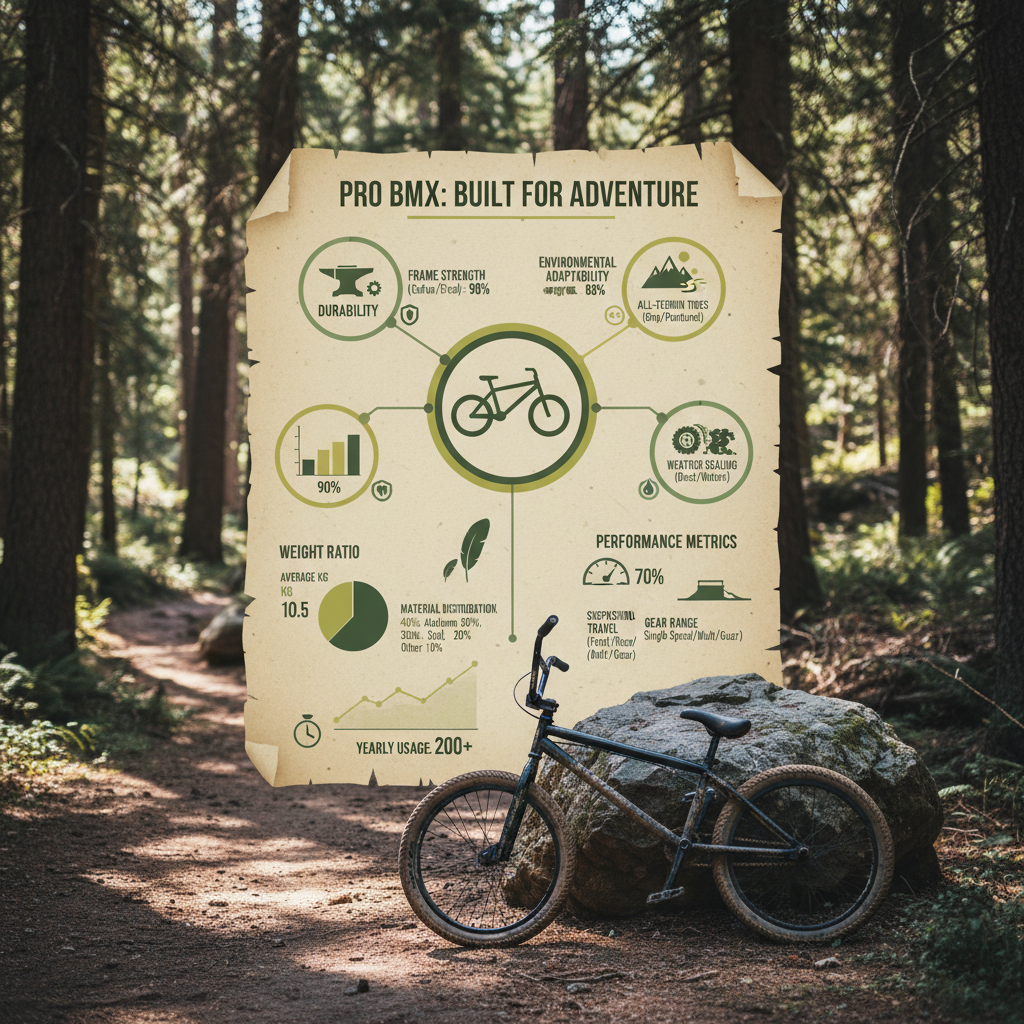
Evaluating the performance of pro BMX bikes requires looking beyond aesthetics and considering key performance indicators (KPIs). Weight is a critical factor, as a lighter bike allows for easier maneuvering and quicker acceleration. However, weight must be balanced with strength and durability. Stiffness is another important KPI, particularly in the frame and fork, as it directly impacts handling responsiveness.
KPI Comparison for Different pro bmx bikes
Applications of Pro BMX Bikes in the Riding World
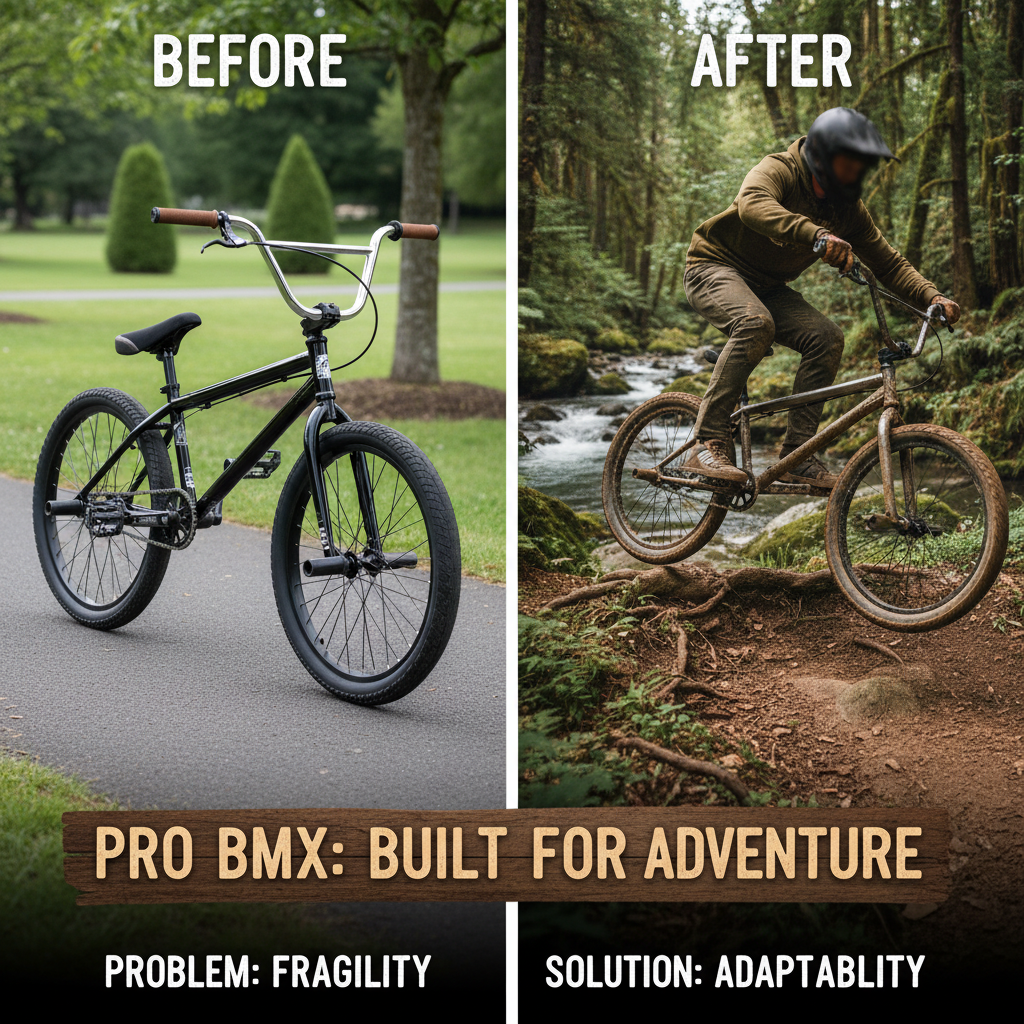
Pro BMX bikes are incredibly versatile, finding applications across a wide spectrum of riding disciplines. Park riding, performed in skateparks with ramps, bowls, and obstacles, demands bikes that are agile, responsive, and capable of absorbing significant impact. Street riding, which takes place in urban environments using rails, ledges, and stairs, requires bikes that are durable, maneuverable, and capable of handling abuse.
Dirt jumping, involving launching off ramps and performing aerial tricks, requires bikes with robust frames, suspension forks (in some cases), and tires that provide excellent traction. Flatland riding, a highly technical discipline performed on smooth, flat surfaces, demands bikes with precise balance, low weight, and specialized pegs for performing intricate maneuvers. No matter the style, pro bmx bikes provide the tools for riders to excel.
The Long-Term Advantages of Investing in pro bmx bikes
Investing in a pro BMX bike isn't just about acquiring a mode of transportation; it’s about making a long-term investment in performance, safety, and enjoyment. The superior build quality and durable components of a pro-level bike translate to a longer lifespan compared to cheaper alternatives. This reduces the need for frequent repairs and replacements, saving money in the long run.
Furthermore, the enhanced performance of a pro BMX bike allows riders to progress more quickly and push their skills to new heights. The precise handling, efficient power transfer, and reliable components inspire confidence and reduce the risk of crashes. This also extends to safety. The higher quality materials withstand more stress, reducing failure points and ensuring riders are less exposed to potential hazards.
Future Innovations and Trends in pro bmx bikes
The world of pro BMX bikes is constantly evolving, driven by advancements in materials science and a relentless pursuit of performance. Carbon fiber is increasingly being used in frames and components to reduce weight without sacrificing strength. New manufacturing techniques, such as 3D printing, are enabling the creation of more complex and customized parts.
Another emerging trend is the integration of electronic components, such as electronically adjustable suspension systems and smart braking systems. These technologies promise to further enhance performance and provide riders with greater control. Sustainable materials and manufacturing processes are also gaining traction, reflecting a growing commitment to environmental responsibility within the industry. pro bmx bikes are expected to lead the way in these innovations.
Finally, data analytics and sensor technology are poised to play a larger role, providing riders with insights into their performance and helping them optimize their training regimens. The future of pro BMX bikes is undoubtedly exciting, with a constant stream of new technologies and innovations pushing the boundaries of what’s possible.
Summary of Pro BMX Bike Future Trends
| Trend Category |
Key Innovations |
Impact on Performance |
Adoption Rate (1-10) |
| Materials Science |
Carbon Fiber Frames, Lightweight Alloys |
Increased Agility, Reduced Weight |
7 |
| Manufacturing Techniques |
3D Printing, Advanced Welding |
Customization, Increased Strength |
5 |
| Electronic Integration |
Electronic Suspension, Smart Brakes |
Enhanced Control, Optimized Braking |
4 |
| Sustainability |
Recycled Materials, Eco-Friendly Manufacturing |
Reduced Environmental Impact |
6 |
| Data Analytics |
Sensor Integration, Performance Tracking |
Optimized Training, Improved Technique |
3 |
| Aerodynamics |
Frame Shaping, Component Design |
Reduced Drag, Increased Speed |
2 |
FAQS
A pro BMX bike utilizes higher-quality materials, such as chromoly steel, for increased strength and durability. Components are chosen for optimal performance, including sealed bearings, lighter cranks, and more responsive brakes. They're built to withstand the demands of aggressive riding and competition, unlike standard BMX bikes typically geared towards recreational use. The geometry is also more refined for trick riding and maneuverability.
Frame material is critically important. Chromoly steel is the most common and highly regarded material for pro BMX frames due to its excellent balance of strength, flexibility, and weight. While aluminum frames can be lighter, they are generally less durable and don’t offer the same level of responsiveness. Carbon fiber is an emerging option, providing even greater weight savings but at a significantly higher cost.
Optimal tire pressure varies depending on the riding discipline and personal preference. For park and street riding, lower pressures (typically between 20-30 PSI) provide more grip and comfort. Dirt jump riders often use slightly higher pressures (30-40 PSI) for increased stability. Experimenting with different pressures is crucial to find what works best for your riding style and the terrain.
Chain wear is inevitable with aggressive riding. It's recommended to check your chain for stretch regularly using a chain wear indicator tool. Replacing your chain when it's worn prevents damage to your sprockets and cassette (if applicable). Generally, chains should be replaced every 6-12 months with regular use, or sooner if you ride frequently or in harsh conditions.
Gyro brakes allow riders to spin the handlebars 360 degrees without tangling the brake cables, essential for certain tricks. However, they aren’t essential for all disciplines. Many street riders prefer a simpler setup without a gyro. Park riders often use them, but it’s a matter of preference. The choice depends on your riding style and the tricks you intend to perform.
Regular maintenance is crucial. This includes cleaning and lubricating the chain, checking brake cable tension, inspecting tires for wear, and ensuring all bolts are tightened. Periodically cleaning and re-greasing the headset and bottom bracket will also extend their lifespan. It's also recommended to have a professional mechanic inspect your bike at least once a year.
Conclusion
In conclusion, pro BMX bikes represent a remarkable fusion of engineering, athleticism, and artistry. From the selection of high-quality materials to the meticulous design of each component, these bikes are built to withstand the demands of competitive riding and inspire riders to push their limits. Understanding the core principles behind these machines—frame geometry, material science, and component selection—is essential for both riders and enthusiasts alike.
Looking ahead, the future of pro BMX bikes is poised to be shaped by ongoing innovations in materials, manufacturing techniques, and electronic integration. The industry’s growing commitment to sustainability and data-driven performance optimization will further enhance the riding experience and unlock new possibilities. Whether you’re a seasoned pro or an aspiring rider, investing in a high-quality pro BMX bike is an investment in your passion, your performance, and your future. Visit our website at www.pengchibike.com to explore our range of pro BMX bikes and find the perfect ride for you.