The global demand for durable, high-performance cycling equipment has shifted significant attention toward the manufacturing hubs of East Asia, specifically regarding the sourcing of a mountain bike china and related stunt bicycles. As riders push the boundaries of freestyle and off-road performance, the engineering focus has transitioned from basic assembly to advanced material science and structural integrity.
This evolution is critical because the stresses placed on a frame during stunt riding or rugged trail navigation require a precise balance between rigidity and weight. For procurement managers and cycling enthusiasts, understanding the technical nuances of carbon steel versus alloy constructions, and the impact of wheel geometry on agility, is essential for ensuring rider safety and equipment longevity.
This analysis explores the engineering specifications that define professional-grade stunt and mountain bikes, evaluating the manufacturing standards utilized in Hebei's production clusters. We will examine how specific components, such as 360-degree rotating handlebars and high-carbon steel frames, contribute to the overall performance of modern bicycles available through mountain bike china suppliers.


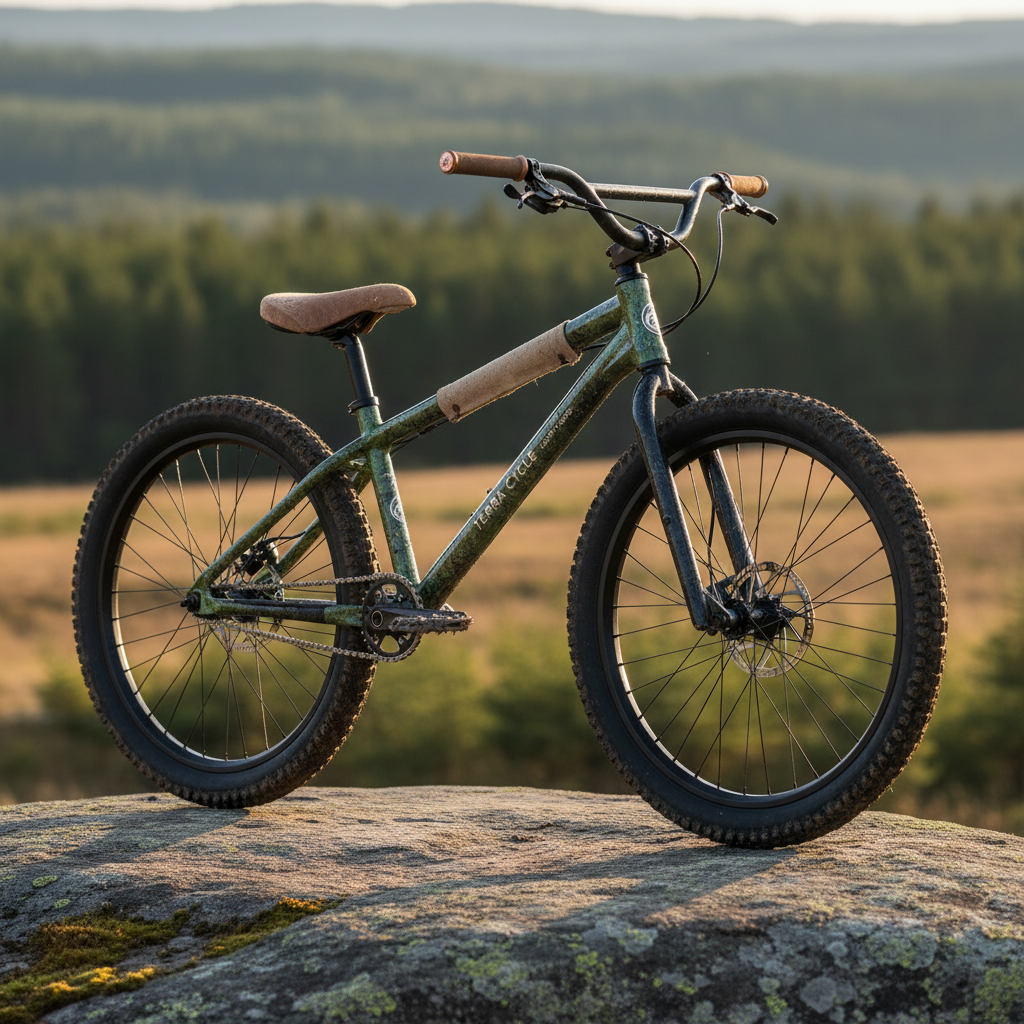
The structural foundation of any high-performance bicycle lies in its frame material. High-carbon steel is frequently utilized in stunt and BMX models due to its exceptional tensile strength and ability to absorb high-impact energy without permanent deformation. This makes it superior for freestyle riding where sudden drops and collisions are common.
Unlike lightweight aluminum, which can fatigue and crack over time under extreme stress, carbon steel provides a robust safety margin. In the context of mountain bike china production, the focus is on optimizing the wall thickness of the tubing to balance total weight with maximum durability.
Maneuverability in stunt bicycles is governed by the interaction between wheel size and handlebar design. A 20-inch wheel diameter is the industry standard for agility, providing a low center of gravity and quick rotational inertia, which is essential for executing complex tricks in skateparks or urban environments.
The integration of handlebars capable of 360-degree rotation eliminates the constraints of traditional cabling, allowing riders to perform full rotations without tangling the brake lines. This mechanical freedom is a prerequisite for professional-level freestyle performance.
Furthermore, the use of 3.0-inch fat tires increases the contact patch with the ground. This engineering choice significantly improves traction on loose surfaces and provides a secondary layer of shock absorption, reducing the impact transmitted to the rider's joints during hard landings.
The selection of braking mechanisms involves a trade-off between stopping power and maintenance simplicity. Alloy V-brakes are preferred in many high-performance models because they offer precise linear deceleration and are easier to adjust in the field compared to hydraulic systems.
Reliability in braking is paramount. By utilizing double V-brakes, manufacturers ensure redundant stopping capability, which is a critical safety requirement for riders navigating steep urban inclines or high-speed descent trails.
Evaluating the efficiency of a bicycle requires a look at the weight-to-strength ratio. A bicycle with a net weight of approximately 16kg to 18.5kg, constructed from high-carbon steel, represents a calculated engineering balance. While heavier than carbon fiber, this weight provides the necessary momentum and stability for stunt maneuvers.
The load capacity, typically rated around 120kg, indicates the structural limit of the hard frame. Exceeding this limit can lead to micro-fractures in the weld points, particularly in the head tube and bottom bracket areas.
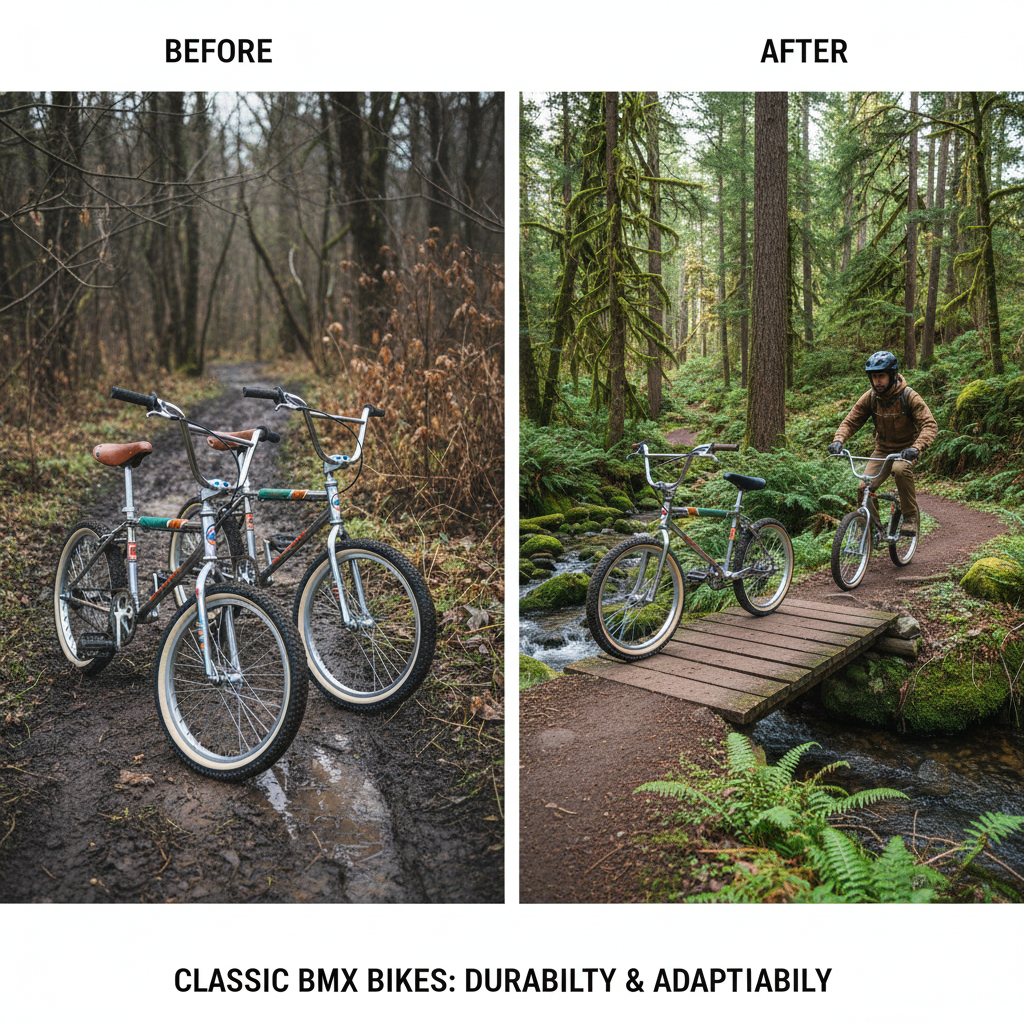
Typical deployment for these high-carbon steel models occurs in high-impact environments such as concrete skateparks, street-side plazas, and rugged dirt trails. The absence of a rear damper (hard frame) is an intentional design choice for BMX and stunt bikes, as it ensures that 100% of the rider's pedal power is transferred to the wheels, maximizing explosive acceleration for jumps.
In a commercial procurement context, the shipping method—whether SKD 85%, SKD 95%, or CKD—drastically affects the logistics cost and final assembly quality. For distributors of mountain bike china products, SKD 95% is often preferred as it allows for more accurate initial quality testing before the product reaches the end consumer.
The bicycle industry is seeing a gradual shift toward hybrid material frames, combining the strength of steel with the lightness of advanced alloys. We expect to see more integration of precision-engineered aluminum components in high-stress areas like the pedals and cranksets to further reduce rotational mass.
Additionally, customization is becoming a primary driver in the B2B sector. The ability to modify color schemes, logo placements, and specific functional configurations allows brands to better align their products with regional market preferences, particularly in the Middle East and South America.
R&D is also focusing on tire compound evolution. The move toward specialized rubbers that provide higher grip on wet urban surfaces while maintaining low rolling resistance on dry trails will likely define the next generation of stunt-ready bicycles.
Selecting the right bicycle configuration depends entirely on the intended application. A freestyle rider requires a different balance of weight and agility than a casual urban commuter or a child learning the basics of balance.
The following matrix provides an engineering-based evaluation of different configuration profiles. It is important to note that these profiles represent technical categories rather than specific model numbers, allowing buyers to match specifications to their operational needs.
By analyzing the frame material, wheel size, and braking system, procurement officers can ensure the longevity of their fleet and the safety of the end-users.
| Configuration Profile | Frame Material | Wheel / Tire Spec | Recommended Use Case |
|---|---|---|---|
| Entry-Level Stunt | Carbon Steel | 20" / Standard | Beginner Freestyle |
| Pro Stunt / BMX | High Carbon Steel | 20" / 3.0" Fat Tire | Competitive Stunt Riding |
| Urban Commuter | Alloy / Steel | 26" / Slim Tire | City Transportation |
| Youth Performance | Light Steel | 16"-20" / Standard | Children's Skill Development |
| Off-Road Trail | Reinforced Steel | 29" / Knobby Tire | Rugged Terrain Exploration |
| Custom Brand Spec | Variable Hybrid | Customized | B2B Brand Labeling |
High-carbon steel offers superior fatigue resistance and impact absorption. In freestyle riding, the frame is subject to repeated, high-energy shocks. While aluminum is lighter, it is more prone to sudden catastrophic failure (cracking) after repeated stress cycles. Carbon steel tends to bend slightly before breaking, providing a safer failure mode and generally a longer operational lifespan for heavy-duty stunt use.
This is achieved through a specialized headset and cable routing system. The brake cables are either routed internally or designed with a specific slack and orbital path that allows the handlebars to rotate fully without twisting or snapping the lines. This engineering detail is essential for riders performing bar-spins and other rotational maneuvers common in professional freestyle riding.
The 3.0-inch width increases the surface area in contact with the ground, which dramatically improves stability and traction. From an engineering perspective, the larger air volume acts as a primary suspension system, absorbing a significant portion of the landing impact before it reaches the frame and rider. This is particularly useful for bikes without rear dampers, as it prevents the "bottoming out" effect during jumps.
SKD 85% (Semi-Knocked Down) typically involves shipping the front wheel, saddle, and pedals separately to maximize container space. SKD 95% goes a step further by pre-installing the front wheel and saddle at the factory. For the buyer, SKD 95% reduces the end-user's assembly time and allows the distributor to conduct a more accurate quality check and test ride immediately upon unpacking.
For the intended use of BMX and street stunt bikes, Alloy V-brakes provide an optimal balance of stopping power and simplicity. They offer a direct mechanical link that is highly responsive. However, for extreme long-distance mountain biking in muddy or wet conditions, disc brakes are typically preferred. For urban freestyle and skatepark environments, the V-brake system is the industry standard due to its reliability and ease of maintenance.
Buyers should focus on three key metrics: weld consistency, material certification, and load testing data. Inspecting the weld beads for uniformity and the absence of porosity is critical. Furthermore, requesting the specific grade of carbon steel and verifying the load capacity (e.g., 120kg) ensures the product meets the required safety standards for the target market. Sample testing for structural rigidity is always recommended.
The transition toward high-carbon steel frames and specialized 360-degree rotating components reflects a broader industry trend toward prioritizing durability and maneuverability over mere weight reduction. For those sourcing a mountain bike china, the critical finding is that material integrity and geometric precision directly dictate the safety and performance ceiling of the bicycle.
Ultimately, the ability to customize these specifications allows manufacturers to bridge the gap between entry-level equipment and professional-grade stunt machinery. By aligning frame material, tire volume, and braking systems with the specific needs of the end-user, distributors can offer products that are not only cost-effective but technically superior in their respective application environments.